


Assess Your Space First
Before you buy a single seed or pot, take a day to become a balcony detective. The most important clue is sunlight. How many hours of direct sun does your balcony get, and when? A south-facing balcony might get 6-8 hours of intense sun, perfect for tomatoes
and herbs. An east-facing one gets gentler morning sun, ideal for leafy greens and some flowers. A north-facing balcony with little direct light will be more challenging, but you can still grow shade-tolerant plants like ferns and hostas. Also, consider wind, which can dry out plants quickly, and check your building’s rules. Some apartments have weight limits or restrictions on hanging planters, so a quick email to your landlord or HOA can prevent future headaches.
Choose Your Containers Wisely
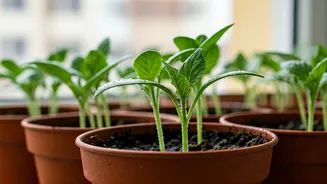
The single most important feature of any container is drainage. If water can't escape, roots will sit in muck and rot, which is the fastest way to kill a plant. Ensure every pot you buy has holes in the bottom. If you find a beautiful pot without them, you can try drilling them yourself, but it’s easier to just pick one that’s ready to go. Terracotta pots are classic and breathable but dry out quickly. Plastic and glazed ceramic pots retain moisture longer. Fabric grow bags are also a fantastic, lightweight option that promotes healthy roots. Don’t start too small; tiny pots dry out in hours on a hot day. A 10-inch or 5-gallon pot is a much more forgiving environment for a beginner.
Get the Good Dirt
This is a simple rule with no exceptions: do not use soil from your backyard or a park. Garden soil is heavy, compacts easily in pots, and may contain pests or diseases. What you need is a bag labeled “potting mix” or “container soil.” This is a specially formulated, lightweight blend of materials like peat moss, perlite, and compost that holds moisture while still allowing for excellent drainage. For an even easier start, look for a potting mix that already includes a slow-release fertilizer. This will feed your plants for the first few months, taking one more task off your plate while you’re learning the ropes.
Pick Your First Plants (The Easy Wins)
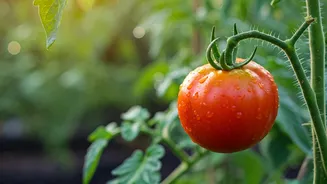
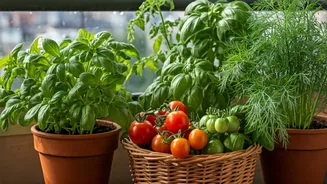
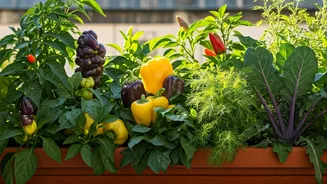
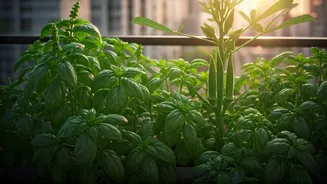
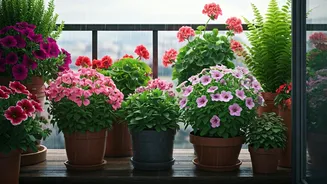
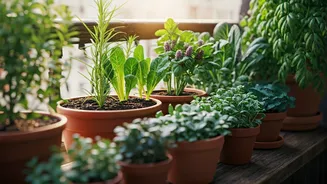
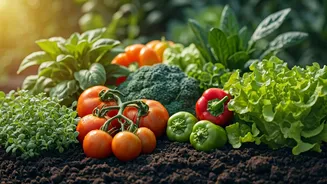
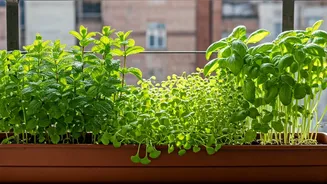
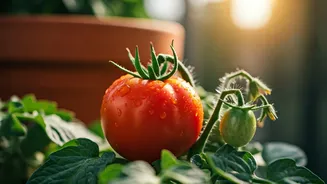
The key to building confidence is starting with plants that want to live. Forget fussy divas and choose from these nearly indestructible options: * **Herbs:** Most herbs love sun and thrive in pots. Basil, rosemary, and thyme are great sun-worshippers. Mint is incredibly easy to grow but is a notorious bully; always give it its own pot unless you want it to take over everything. Chives are another simple choice that will come back year after year. * **Leafy Greens:** Loose-leaf lettuce, spinach, and arugula grow quickly from seed and can be harvested multiple times. You can snip off the outer leaves for a salad, and the plant will keep producing from the center. They prefer cooler weather, making them perfect for spring and fall. * **Forgiving Flowers:** For a splash of reliable color, you can’t beat marigolds, geraniums, and petunias. They are workhorses of the garden, bloom for months, and can handle a bit of neglect. Plus, they attract bees and other helpful pollinators to your little ecosystem. * **The Ambitious Veggie:** If you want to grow a vegetable, start with a single cherry tomato plant in a large pot (at least 5 gallons). Choose a “patio” or “determinate” variety, which stays more compact. There is nothing more satisfying than eating a sun-warmed tomato you grew yourself.
The Art of Watering (Correctly)
More beginner plants die from overwatering than underwatering. Drowning the roots is a silent killer. Instead of watering on a rigid schedule, learn the “finger test.” Stick your index finger about an inch or two into the soil. If it feels dry, it’s time to water. If it feels moist, wait another day and check again. When you do water, do it thoroughly until you see excess draining from the bottom of the pot. This encourages roots to grow deep. Remember that hot, sunny, and windy conditions on a balcony mean your pots will dry out much faster than indoor houseplants, so check them daily during the summer.