


Moving Past the Cream and Curry Myth
Let’s be honest. When you think of ordering Indian food, your mind probably goes to a few specific dishes: chicken tikka masala, saag paneer, maybe a generous helping of garlic naan. These North Indian and Punjabi staples, while delicious, have created
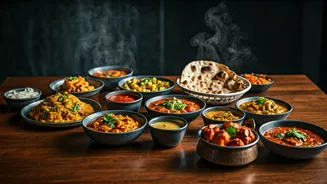
a perception of Indian cuisine as uniformly heavy, decadent, and reserved for special occasions. It’s the kind of meal you might need a nap after. This perception isn't entirely wrong, but it’s incredibly incomplete. It’s like judging all American food by cheeseburgers and milkshakes. The creamy, restaurant-style dishes that became the ambassadors of Indian cuisine in the U.S. were often enriched for Western palates and special events. But back in India, the daily diet for over a billion people is vastly different—and often, far lighter and more varied.
The Rise of Regional, Lighter Fare
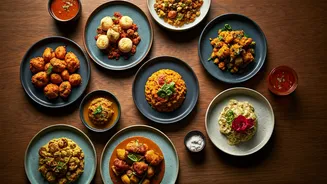
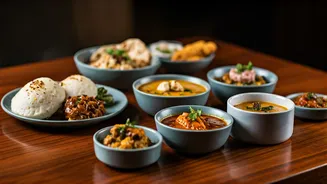
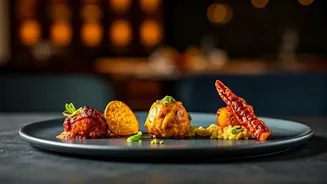
The most exciting change in the American-Indian food landscape is the embrace of regionality. A new wave of chefs and restaurateurs is proudly showcasing the food they grew up eating, which often comes from regions beyond the well-trodden Punjabi path. You're now seeing menus spotlighting the coastal cuisines of Kerala and Goa, with their bright, coconut-based fish curries and steamed rice cakes (idli). You'll find dishes from Gujarat, known for its complex vegetarian thalis that balance sweet, sour, and spicy flavors, or from Bengal, with its delicate mustard-infused fish preparations. These cuisines often rely on different cooking techniques—steaming, grilling, and light stir-frying—and a wider array of vegetables, lentils, and seafood. The result is food that’s naturally lighter and more nuanced, offering a broader spectrum of flavors and textures without feeling weighed down by cream and butter. It's not a 'healthy version'; it's just a different, equally authentic version that happens to align with modern wellness sensibilities.
An Ingredient-First Philosophy
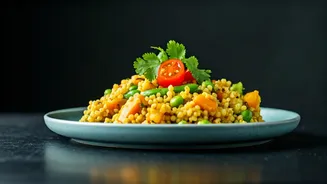
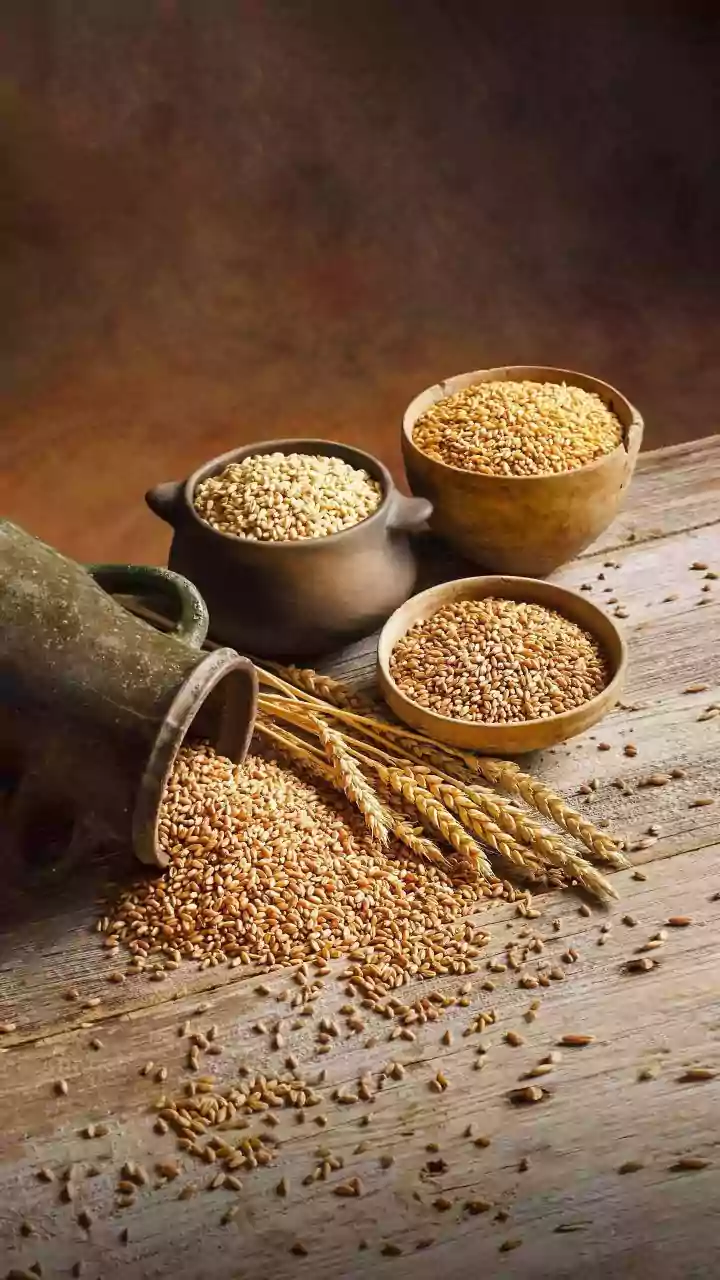
This shift isn't about creating 'diet' Indian food. You won't see many menus boasting 'low-fat' dal makhani. The 'without the drama' part of this movement is crucial. Instead of obsessing over calorie counts, the focus is on the quality and inherent properties of the ingredients themselves. This means a return to traditional cooking fats like ghee (clarified butter) and coconut oil, which, unlike their processed counterparts, are valued for their flavor and digestive benefits in Ayurvedic tradition. It also means a renewed appreciation for whole spices, ground fresh to deliver maximum flavor and antioxidant power, reducing the need for excess salt and fat. Ancient grains like millet, sorghum, and amaranth, which have been staples on the subcontinent for centuries, are making a comeback in both restaurants and home kitchens. They offer more fiber and nutrients than refined flour and rice, providing substance without the slump. It’s a philosophy of adding nutrition and flavor, not subtracting pleasure.
Bringing It All Back Home
Perhaps the biggest driver of this change is the home cook. A new generation of Indian-American cookbook authors and food bloggers, like Priya Krishna and Meera Sodha, have been instrumental in demystifying Indian cooking for an American audience. Their recipes often focus on the simple, vegetable-forward meals—sabzis (vegetable stir-fries), dals (lentil stews), and rotis (whole wheat flatbreads)—that form the backbone of daily Indian home life. By showing that a delicious and nourishing Indian meal can be made in under an hour with accessible ingredients, they’ve empowered people to see it not as a complicated, weekend-only project, but as a viable and healthy weeknight option. This shift in perception is slowly but surely trickling out, influencing what diners demand and what a new generation of chefs is inspired to create.