







So, What Is a 'Functional' Drink?
At its core, a 'functional beverage' is a drink designed to do more than just quench thirst or deliver a caffeine jolt. These are drinks infused with ingredients purported to offer a specific health or wellness 'benefit,' whether it's sharper focus, a calmer
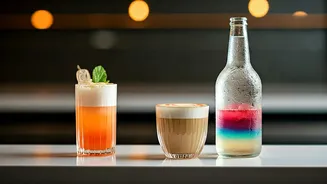
mind, better gut health, or a boost to your immune system. Think of it as the evolution of the smoothie. Where we once added protein powder for muscle recovery, we're now adding a host of plant-based compounds to our lattes, teas, and even non-alcoholic cocktails for a wider range of perceived perks. The promise is simple: your daily drink can also be a form of self-care, a small, sippable step toward feeling better.
Why Is This Happening Now?
This trend isn't happening in a vacuum. It’s the perfect storm of several major cultural shifts. First, there's the massive, post-pandemic surge in wellness culture. More than ever, Americans are proactive about their health, seeking preventative measures and ways to manage stress. Second, the 'sober curious' movement has exploded. A growing number of people, particularly younger generations, are reducing their alcohol intake but still want sophisticated, interesting options when they go out. A $7 sparkling water feels like a penalty; a $12 elixir with reishi mushroom and passionflower feels like an experience. For bars and restaurants, these high-margin, alcohol-free creations are a financial godsend, catering to a new type of customer without losing the premium price point of a craft cocktail.
A Quick Guide to the Ingredients
The names on the menu can be intimidating, but most functional ingredients fall into a few key categories. **Adaptogens:** These are herbs and mushrooms believed to help your body 'adapt' to and resist physical, chemical, and biological stress. The most common you'll see are **Ashwagandha** (marketed for stress and anxiety relief), **Reishi** (for calm and immune support), and **Rhodiola** (for energy and brain function). **Nootropics:** Often called 'smart drugs' or cognitive enhancers, these are compounds said to improve mental functions like memory, creativity, and focus. **Lion's Mane** mushroom is the star player here, frequently added to coffee as a jitter-free way to boost concentration. **L-Theanine**, an amino acid found in green tea, is another popular choice, known for promoting relaxation without drowsiness. **Probiotics & Prebiotics:** The gut-health boom is in full swing. Drinks like **Kombucha** (fermented tea) have gone from farmer's markets to mainstream tap lines, prized for their probiotic content, which supports a healthy digestive system. **CBD:** Cannabidiol, the non-psychoactive compound from the cannabis plant, is now infused in everything from seltzers to sodas. Its main selling point is its purported ability to reduce anxiety and promote a sense of calm.
But Do They Actually Work?
Here's where it gets complicated. Many of these ingredients have been used for centuries in traditional medicine, and a growing body of preliminary research suggests some may have tangible effects. However, for most of these substances, the large-scale, placebo-controlled human trials needed for definitive scientific validation are either lacking or inconclusive. The FDA doesn't regulate these supplements for efficacy, meaning brands can't legally claim their drink will 'cure' or 'treat' anything. The 'benefits' are often based on marketing language and anecdotal evidence. For many consumers, the appeal may be less about a guaranteed physiological change and more about the ritual of mindful consumption—the feeling that you're actively doing something good for yourself. Whether it's the ingredient itself or the placebo effect of drinking an expensive, wellness-branded beverage, people report feeling better. And for many, that’s enough.