


The Great Return to the Stove
Not so long ago, dining out—or ordering in—was the default status symbol. The less you cooked, the more successful, busy, and important you seemed. Kitchens were for morning coffee and reheating last night’s takeout. But a perfect storm of factors has
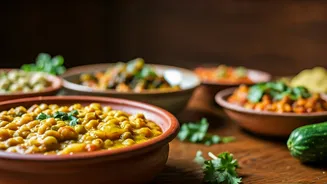
conspired to pull us back to the stove. The most obvious catalyst was the global pandemic, which closed restaurant doors and forced a nationwide crash course in home economics. People who hadn't turned on their oven in years found themselves trying to master sourdough starters and perfect their pantry pasta. But what started as a necessity has, for many, become a preference. The lingering economic uncertainty and the rising cost of restaurant meals have made cooking at home a financially savvy choice. A $30 delivery order can often be recreated at home for a fraction of the cost, a powerful incentive when household budgets are tight. This isn't just about saving money; it's about reclaiming a sense of control in a world that often feels chaotic.
Your Feed Is Now a Cookbook
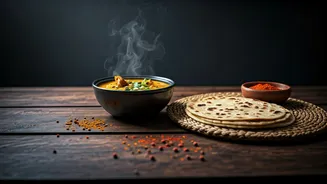
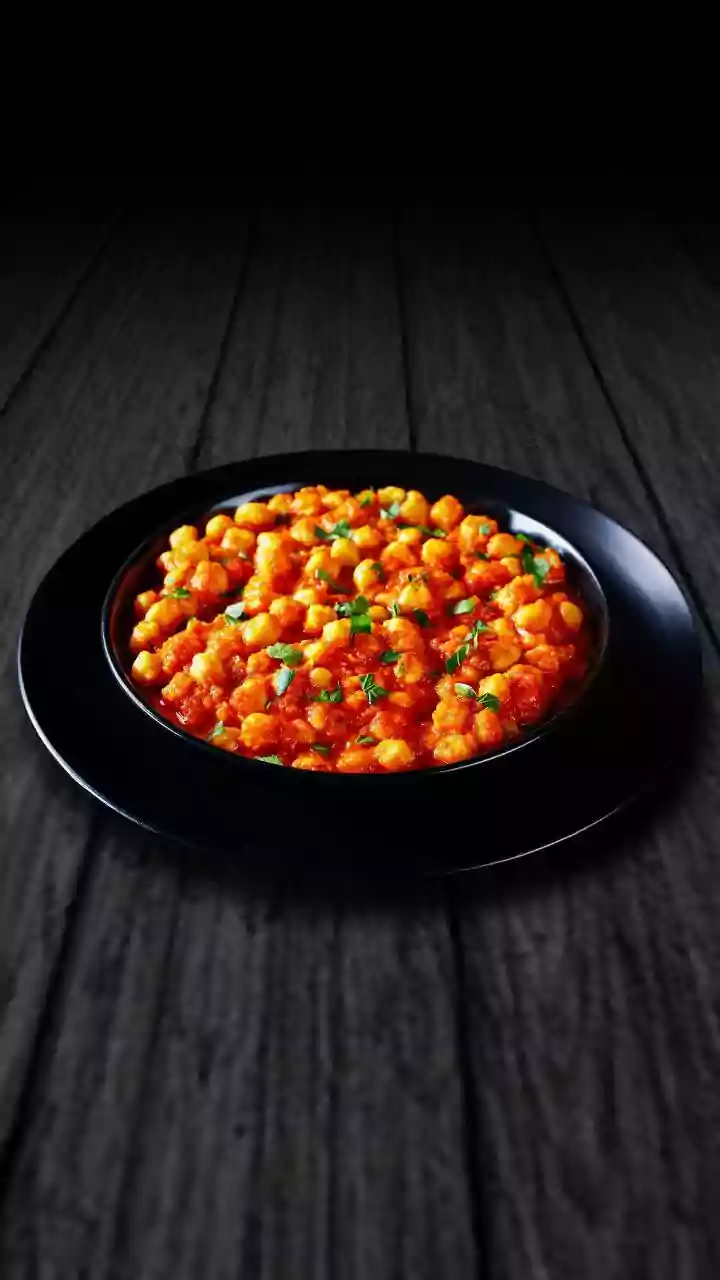
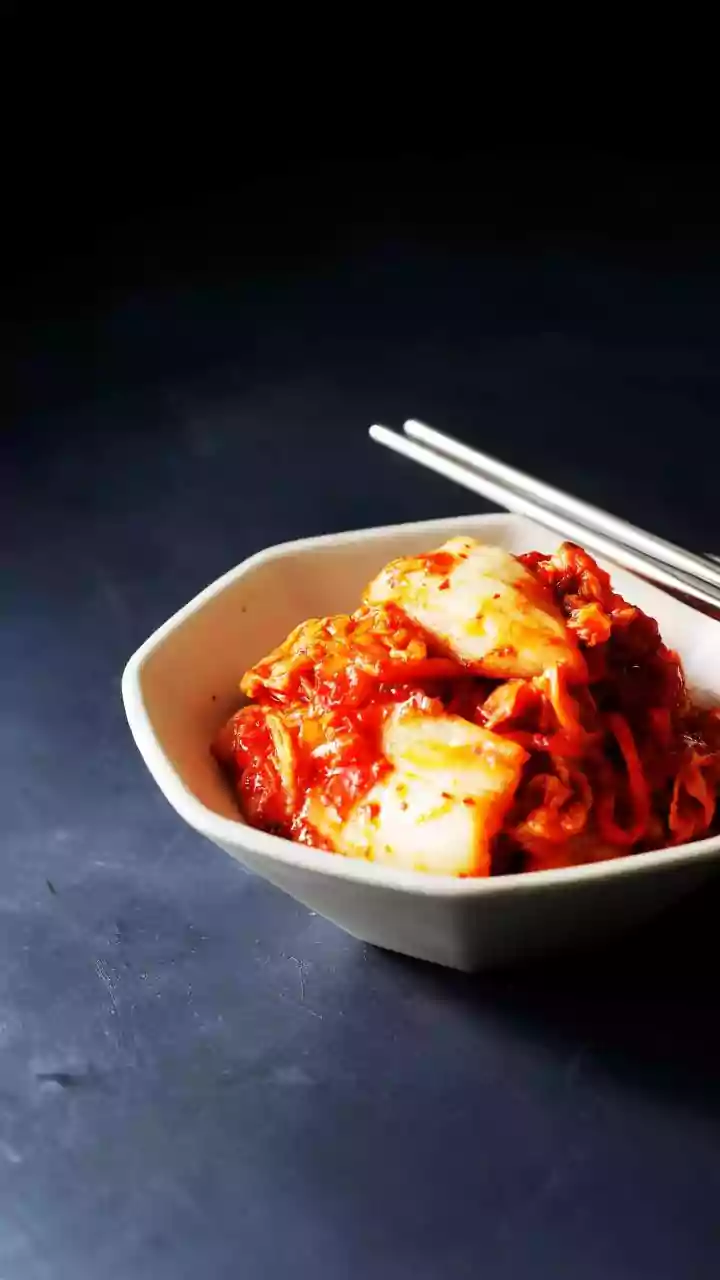
Simultaneously, home cooking has undergone a major rebranding, thanks almost entirely to social media. The stodgy, formal cooking shows of the past have been replaced by 60-second TikTok videos of feta pasta, 'girl dinners,' and viral salmon bowls. Platforms like Instagram and TikTok have transformed cooking from a domestic chore into a form of creative expression and social currency. Food has become content. A well-lit photo of a homemade dish can perform the same function as a vacation photo or a concert selfie: it’s a dispatch about the life you’re living. This digital renaissance has made cooking more accessible, demystifying techniques and introducing a new generation to the joy of making something from scratch. Following a viral recipe provides a low-stakes entry point and a built-in sense of community. When you make that viral cottage cheese flatbread, you’re not just making lunch; you’re participating in a global conversation.
The Unbeatable Health Perk: Control
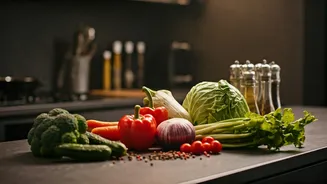
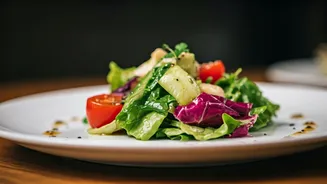
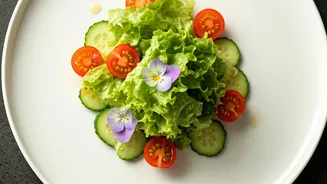
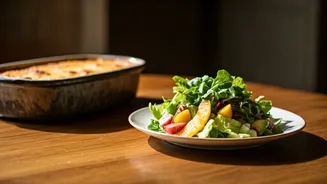
Beyond the trendiness and thrift, the headline’s second promise holds true: home cooking is almost invariably healthier. The reason is simple: control. When you cook for yourself, you are the executive chef, the nutritionist, and the quality control manager. You decide how much salt to add, what kind of oil to use, and whether to use whole grains instead of refined ones. Restaurant and pre-packaged meals are notorious for hidden sodium, sugar, and unhealthy fats, all used to make food hyper-palatable and extend shelf life. A seemingly virtuous salad from a fast-casual chain can contain more calories and sodium than a burger, thanks to creamy dressings and candied toppings. At home, that same salad can be built with fresh greens, lean protein, and a simple vinaigrette. This control extends to portion sizes, which have ballooned in restaurants over the decades. By cooking at home, you’re not just feeding yourself; you’re taking an active role in your own well-being.
More Than Just a Meal
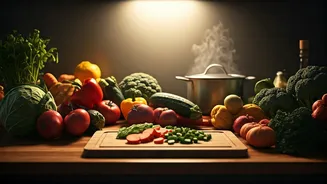
Ultimately, the renewed coolness of home cooking is about more than just food. It represents a deeper cultural shift toward intentionality and self-reliance. In an age of digital distraction, the act of cooking can be a form of mindfulness—a sensory, analog activity that requires focus. The rhythmic chopping of vegetables, the aroma of garlic hitting hot oil, the satisfaction of watching ingredients transform into a meal—it’s a grounding experience. It’s also a powerful way to connect with others. Sharing a home-cooked meal fosters a different kind of intimacy than meeting at a noisy restaurant. It’s a hobby that nourishes, a skill that provides for, and an art that can be shared. The kitchen is no longer just a room for appliances; it's a studio for creativity and a hub for connection.