
Beyond the Buffet Line
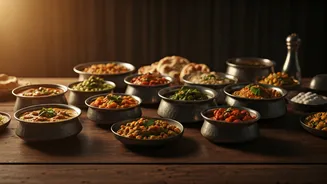
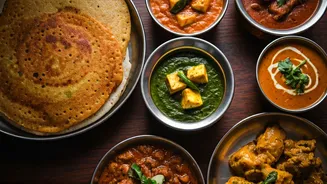
For decades, Indian food in America existed in a comfortable, if slightly monotonous, rut. Dominated by North Indian and Punjabi staples, the standard restaurant menu became a predictable landscape of creamy kormas, fiery vindaloos, and endless baskets
of naan. It was delicious, accessible, and instrumental in introducing the cuisine to millions of Americans. But for second-generation Indian Americans and a growing legion of discerning foodies, that all-you-can-eat buffet started to feel less like a feast and more like a fence, walling off the staggering diversity of India’s true culinary landscape. The new guard of diners, raised on both their grandmother’s dal and the latest season of *Chef’s Table*, began asking for more. They wanted the food they ate on trips to Mumbai, Kerala, or Kolkata. They wanted the hyper-regional specialties, the street food chaos, and the home-cooked nuance that rarely made it onto a commercial menu. Chefs, tired of being pigeonholed, were more than ready to oblige.
What 'Newness' Really Means
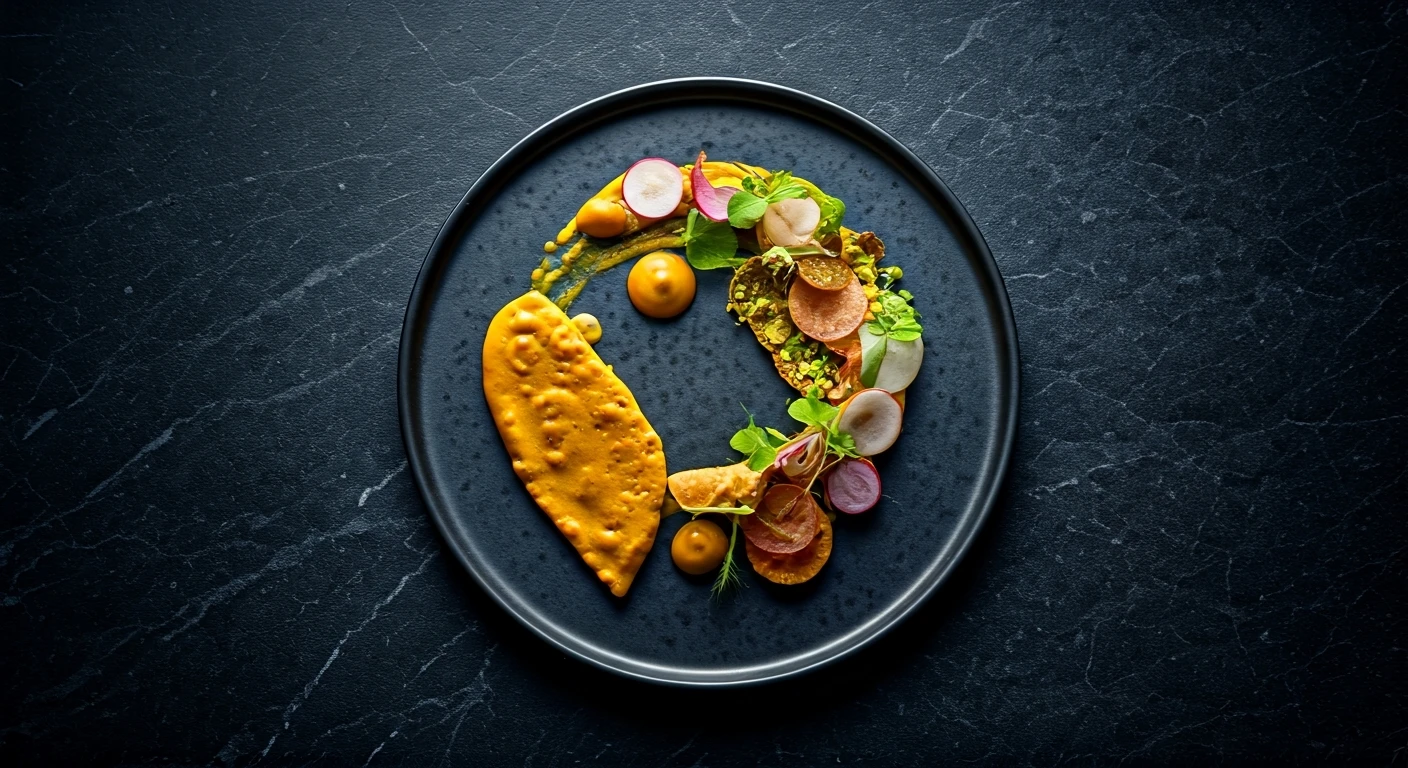
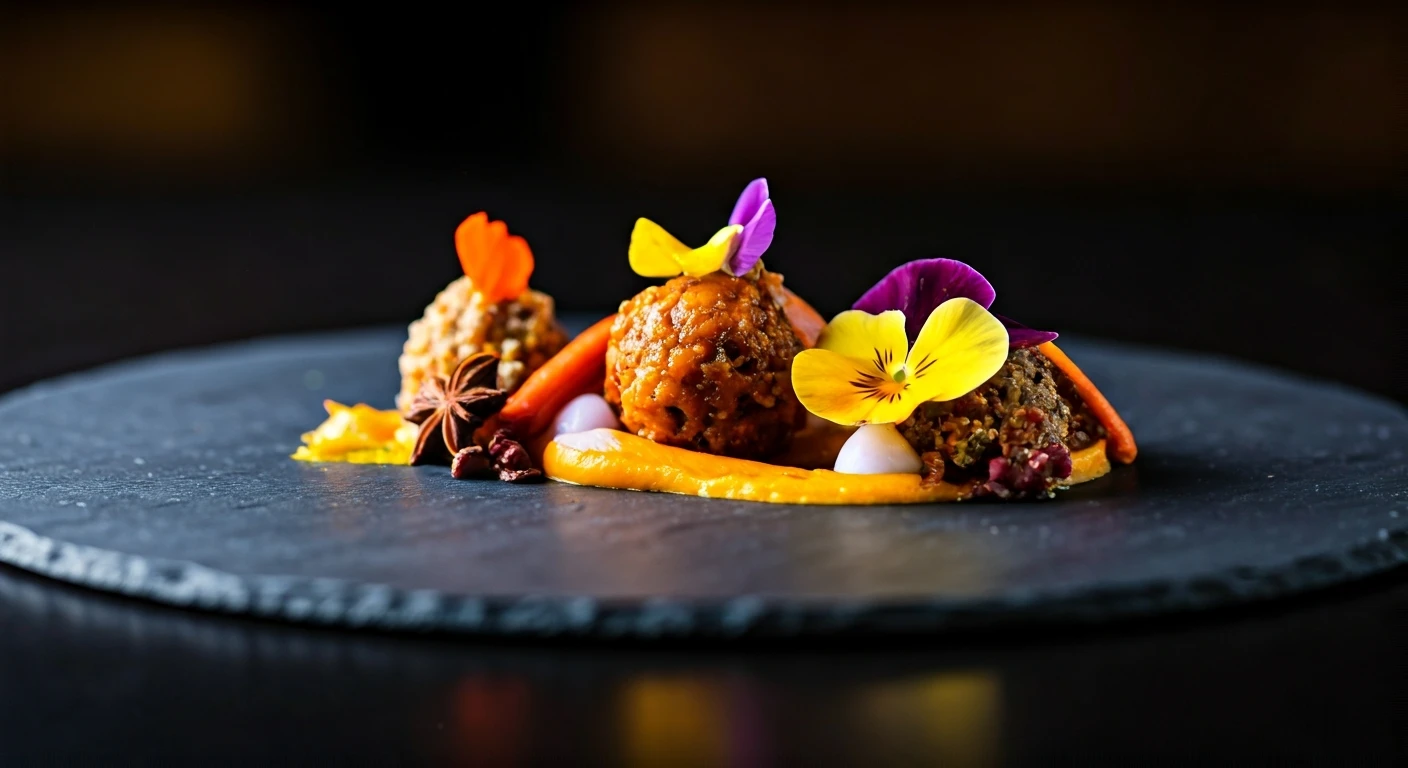
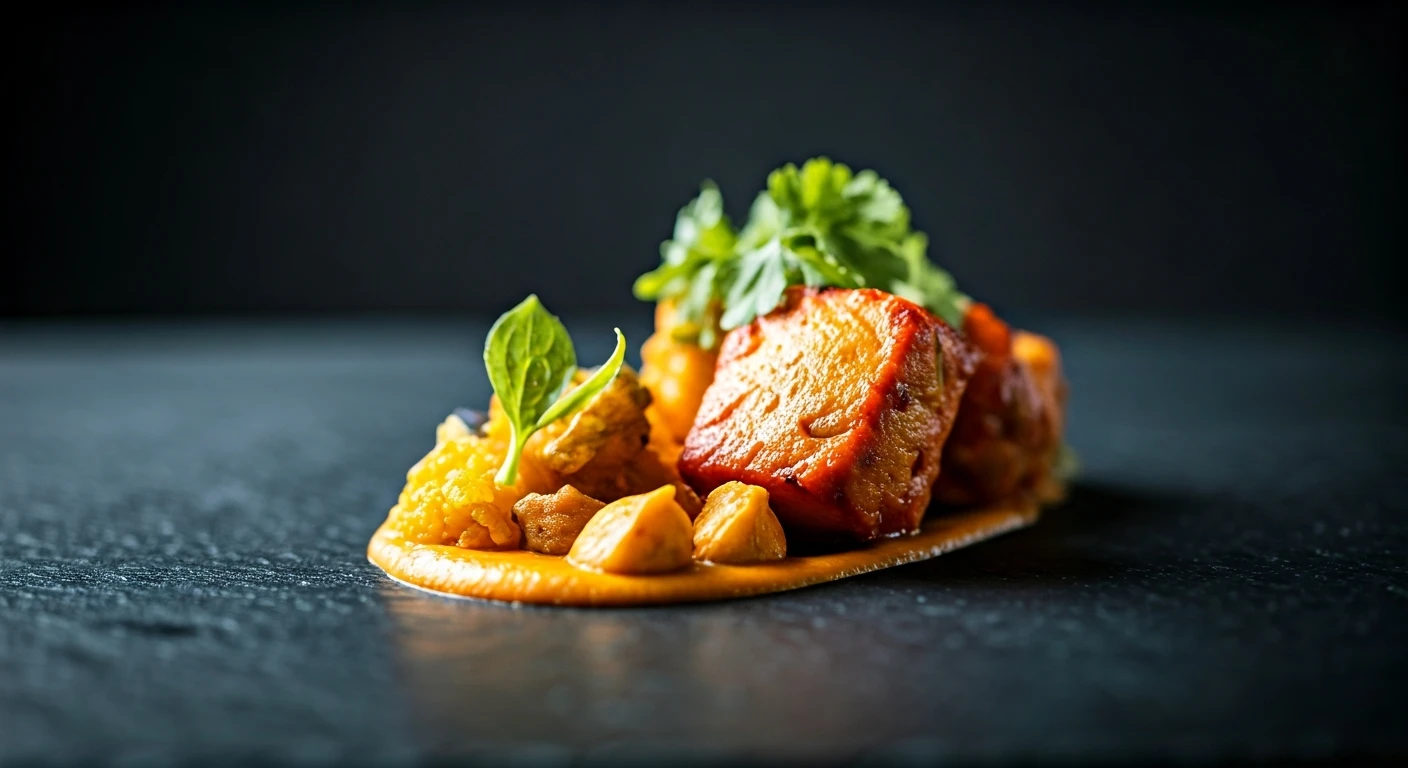
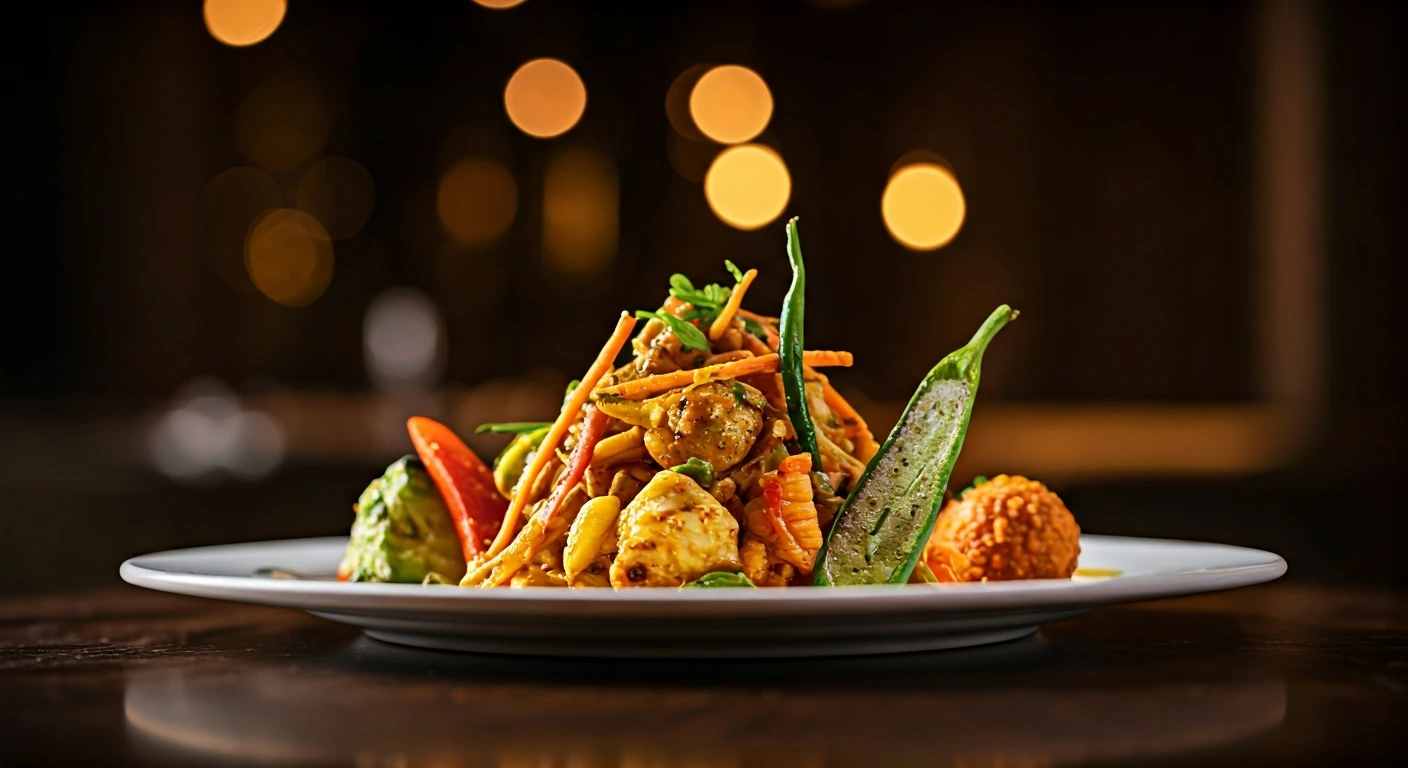
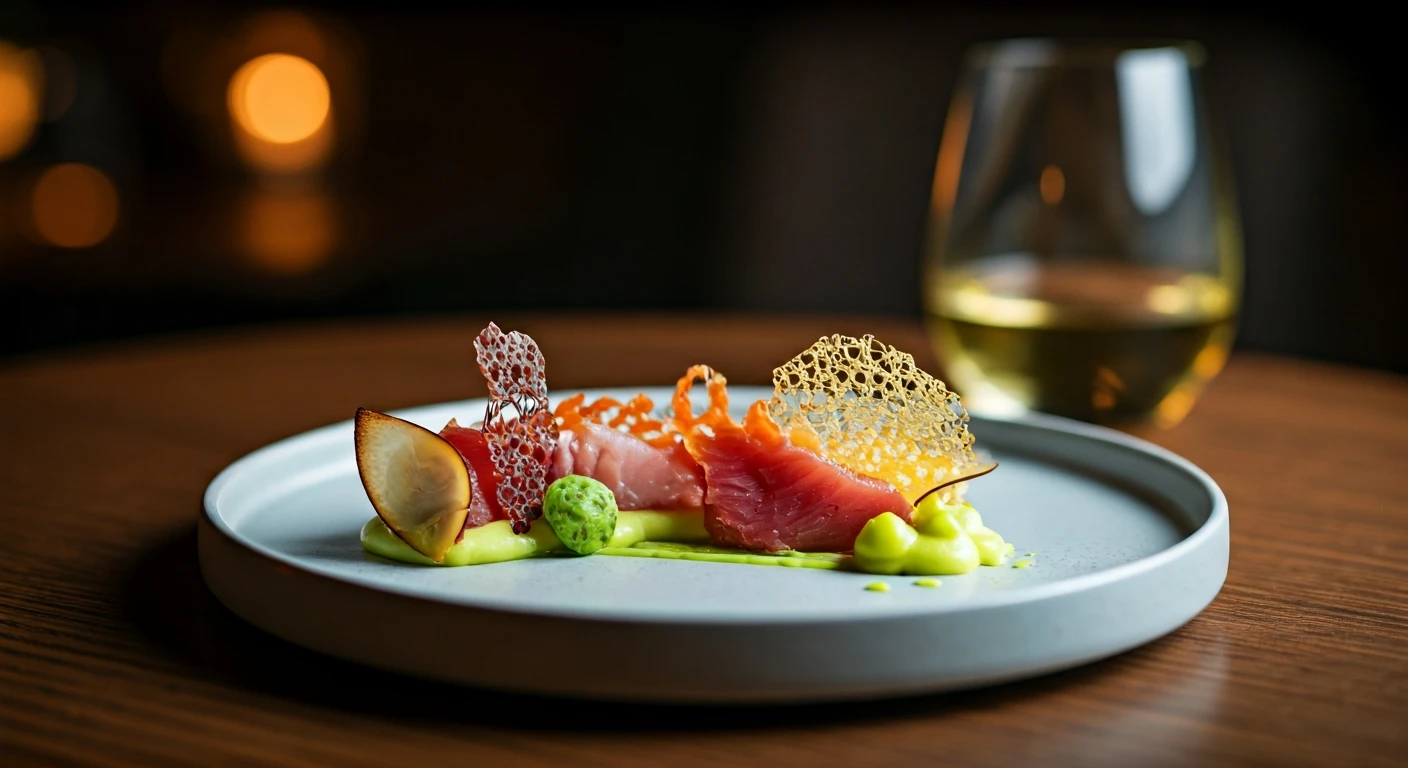
Innovation in this new wave of Indian dining isn’t about randomly slapping curry powder on a burger. It’s a thoughtful, technique-driven evolution. “Newness” can mean a chef applying their French culinary training to a traditional recipe, resulting in a lamb shank cooked sous-vide for 48 hours before being finished in a rogan josh sauce that’s more tender and flavorful than anything simmered for a few hours on the stove. It also means a radical focus on ingredient sourcing. Instead of generic frozen fish, restaurants are serving branzino marinated in coastal spices and grilled over charcoal, just as it’s done in Goa. It’s about deconstruction, like a “samosa chaat” where the crisp pastry, spiced potatoes, and tangy chutneys are presented as separate, artful components, allowing each flavor to shine. This isn't fusion for fusion's sake; it's a re-examination of familiar dishes through a modern, high-fidelity lens.
The Unbreakable Bond of Comfort
This is where the balancing act gets tricky. For all the excitement about innovation, there’s a non-negotiable demand for comfort. This “comfort” isn’t just about a dish being familiar; it’s about an emotional and sensory truth. It’s the unmistakable scent of a proper *tadka*—mustard seeds, curry leaves, and asafoetida crackling in hot ghee. It's the foundational depth of a spice blend that has been toasted and ground by hand, not poured from a generic jar. It’s the feeling of nostalgia that a perfectly made bowl of rajma chawal (kidney beans and rice) can evoke. When a modern dish succeeds, it’s because it respects this core. The duck confit in the samosa might be new, but if the pastry isn’t perfectly crisp and the accompanying tamarind chutney doesn’t have the right sweet-and-sour punch, the experiment fails. The innovation is the headline, but the traditional flavor profile is the soul of the story. Lose that, and you’re left with a gimmick, not a meal.
The Chefs Nailing the Balance
Across the U.S., a new class of Indian restaurants has become famous for walking this tightrope. Chefs like Chintan Pandya of New York’s Unapologetic Foods group built an empire on the idea of serving “unapologetic,” hyper-regional food. His restaurant Dhamaka focuses on the forgotten village recipes of rural India, dishes so specific and authentic they feel thrillingly new to a New York audience. At Semma, he champions the flavors of Tamil Nadu, earning a Michelin star for dishes that were once considered too “home-style” for fine dining. Similarly, chefs are showcasing the breadth of Indian vegetarian cooking, moving far beyond paneer to highlight complex dishes from different states. They are creating tasting menus that tell a story, guiding diners through a specific region or a historical culinary journey. These establishments prove that “new” and “authentic” aren’t opposing forces. In fact, for Indian food in America today, the most exciting innovation is often a radical return to authenticity.