



The Burnout Antidote We Actually Need
Let’s be honest: the pressure of a single, long vacation to magically erase 50 weeks of stress is immense. You return to a mountain of emails, and the restorative glow fades by lunchtime on Tuesday. The modern approach, backed by psychology, favors frequency
over duration. Multiple short breaks—even just a long weekend—act as regular pressure-release valves. They disrupt the cycle of chronic stress before it builds to a breaking point. A 2017 study found that even short trips can boost well-being by taking us out of our routines. Instead of one big annual reset, think of these micro-cations as a subscription service for your sanity, delivering smaller, more consistent doses of rest and novelty that are easier for your brain (and your boss) to handle.
Maximum Experience, Minimum Hassle
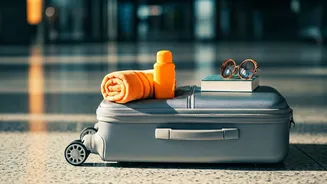
Planning a ten-day European tour or a cross-country RV odyssey is practically a part-time job. It involves complex logistics, budget spreadsheets that haunt your dreams, and coordinating schedules with the precision of a military operation. The result? You’re often exhausted before you even leave. A three-day trip to a nearby city or a national park, by contrast, is refreshingly simple. You can book it on a whim, pack a single carry-on, and spend your time enjoying the destination instead of managing a complex itinerary. This lower-stakes approach frees you from “vacation pressure”—the feeling that every moment must be perfect and Instagrammable to justify the investment. A quick trip can just be fun, no questions asked.
The Math Just Makes More Sense
The financial barrier to a long vacation is significant. Airfare, a ten-night hotel stay, dining out, and activities can easily climb into the thousands of dollars, making it an out-of-reach luxury for many. A quick holiday flips the script. By slashing the biggest expense—accommodation—you dramatically lower the cost. The money saved on five nights in a hotel could fund two or three separate weekend trips throughout the year. This approach democratizes travel, shifting it from a once-a-year splurge to a regular part of your lifestyle. You can drive to a neighboring state, find an affordable Airbnb for two nights, and explore a new place without draining your savings account. It’s not about being cheap; it’s about being strategic with your travel dollars to maximize your experiences.
Rediscovering Your Own Backyard
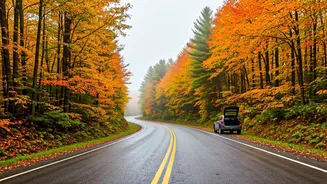
The focus on shorter trips has fueled a renaissance in domestic and regional travel. When you only have 72 hours, a 12-hour flight to another continent is out of the question. Instead, you look closer. Americans are rediscovering the charm of places within a few hours’ drive or a short flight. It’s the weekend trip to see the fall colors in New England, a culinary tour of Austin, or a few days hiking in a state park you’ve always meant to visit. This trend has been a boon for smaller cities and rural destinations, spreading tourism dollars beyond the usual coastal hubs. It encourages a different kind of curiosity—one that finds adventure and novelty just over the horizon, rather than halfway around the world.