




The Literal Chill Factor
Let’s start with the obvious. In many popular destinations, from the American Southwest to Southeast Asia, the 'dry' season coincides with blistering, often oppressive, heat. The arrival of the monsoon, or rainy season, brings a welcome drop in temperature.
While humidity can be high, the cloud cover and rain showers provide a natural air conditioning that can make exploring far more pleasant than it would be under the peak-summer sun. In places like Arizona and New Mexico, the summer monsoon breaks the intense dry heat with dramatic, cooling afternoon storms. This 'literal' coolness extends to your wallet, too. The monsoon is almost universally considered the 'off-season' or 'shoulder season,' meaning airlines and hotels slash prices to attract visitors. The result? You can often afford a more luxurious stay or a longer trip for a fraction of the peak-season cost. The crowds also thin out, giving you a rare chance to see iconic sites without wading through a sea of selfie sticks.
Nature in Overdrive
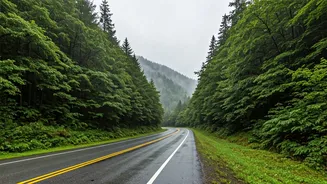
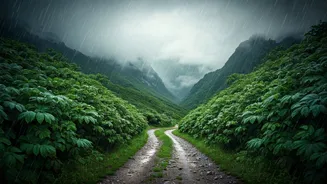
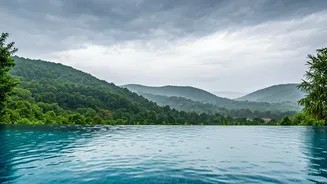
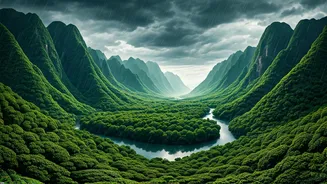
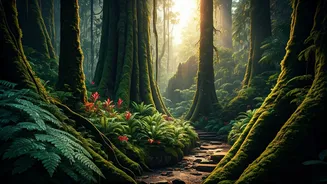
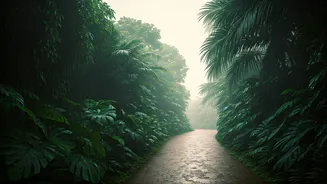
The word 'monsoon' might conjure images of dreary, washed-out landscapes, but the reality is the exact opposite. Rain transforms parched environments into lush, vibrant wonderlands. In destinations like Thailand, Costa Rica, or India's Western Ghats, the countryside explodes in a thousand shades of green. Waterfalls that are mere trickles in the dry season become thundering cascades. The air feels cleaner, the dust settles, and the entire ecosystem seems to breathe a sigh of relief. This dramatic natural spectacle is a photographer's dream. The moody skies, the glistening foliage, and the dramatic interplay of light and shadow create a visual palette far more complex and captivating than endless blue skies. For nature lovers, it’s a chance to see a destination at its most alive and dynamic, a powerful reminder of nature's cycles.
The Emotional Cool-Down
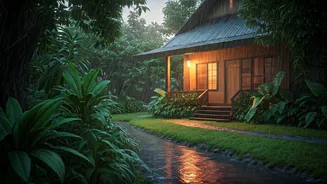
This is where the 'emotionally cooler' part comes in. The frantic, check-the-box energy of peak-season tourism gives way to a slower, more contemplative pace. There’s a certain romance to watching a tropical downpour from the comfort of a covered porch, a cup of tea in hand. The rain encourages a different kind of travel—one that’s less about doing and more about being. Instead of rushing from one sight to another, you might spend an afternoon reading a book, enjoying a long meal, or having a deeper conversation with a local who isn't overwhelmed by tourist hordes. This forced slowdown is a powerful antidote to our chronically busy lives. It fosters a sense of mindfulness and connection to your surroundings that’s hard to find when you’re just one of a million visitors. The vibe is less about performance and more about presence.
A Different Definition of Adventure
Monsoon travel redefines what an 'activity' can be. Your itinerary becomes more fluid and spontaneous. A sudden downpour might lead you to duck into a fascinating local market you would have otherwise missed, or discover a cozy café where you strike up a conversation with the owner. It’s an adventure in adaptability. This style of travel isn’t for everyone; if your heart is set on ten straight days of sunbathing, this isn't for you. But for those who find beauty in imperfection and excitement in spontaneity, it’s a perfect fit. It’s for the traveler who understands that a little rain won't ruin a trip—it might just make it more memorable. You learn to work with the weather, perhaps enjoying indoor cultural sites in the afternoon and exploring during the clearer mornings. It builds resilience and a deeper appreciation for the destination in all its moods, not just its postcard-perfect one.