



More Than Just a Free Snack
For decades, the in-store tasting was a simple transaction: a brand paid a retailer to hand out freebies, hoping to drive immediate sales of that specific product. If you liked the mango salsa, you’d grab a jar. Mission accomplished. This model, however,
offered little in the way of useful information. Brands knew how many units they sold that day, but they didn’t know *why* someone bought the product, who passed it up, or what a potential customer might have thought if the flavor was just a little different. It was a marketing tactic with a short-term focus, not a tool for long-term strategy.
The Rise of the Discovery Platform
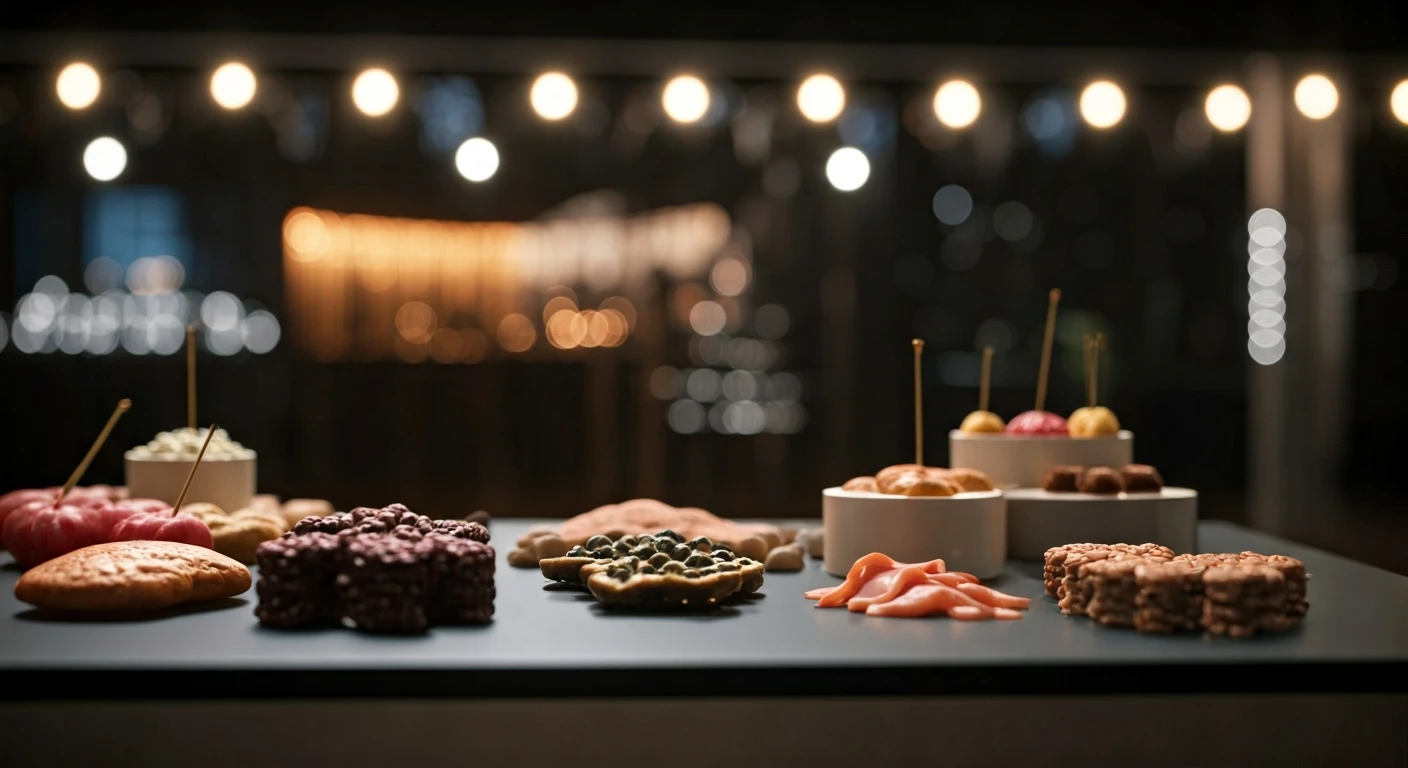
Enter the new wave of food retail, where sampling isn’t just an activity—it’s the main event. Companies like Pop Up Grocer, which sets up temporary shops in major cities, and trend-forward markets like Foxtrot have turned their stores into living laboratories for emerging brands. Their entire business model is predicated on discovery. Customers are encouraged to try dozens of new, often little-known products. These aren't your standard supermarket demos; they are curated experiences where the consumer is positioned as a tastemaker and a critic. For a small brand with a new line of plant-based jerky or an adaptogenic soda, getting space in one of these stores is like placing their product in the world’s most effective focus group.
From 'Yum' to Usable Data
The magic of the modern tasting is its ability to convert a simple taste test into a trove of actionable data. The process has been digitized and refined. A customer might scan a QR code after trying a sample, leading them to a quick survey. Questions go far beyond a simple thumbs-up or thumbs-down. Brands can ask: “What price would you expect to pay for this?” “Which of these three package designs do you prefer?” “What other snacks does this remind you of?” This feedback is gold. It helps startups refine everything from their pricing strategy to their marketing message before committing to a costly, large-scale production run. Instead of spending hundreds of thousands of dollars to find out a product is a dud, they can learn it for a fraction of the cost. Brands receive detailed reports on demographics, purchasing intent, and flavor perception, allowing them to iterate and improve with real-world input.
De-Risking the Hunt for a Hit
The American grocery aisle is a brutal, overcrowded battlefield. The failure rate for new consumer packaged goods (CPG) is notoriously high, with some estimates suggesting that over 80% of new product launches fail. Tastings, when transformed into data-gathering events, directly combat this problem by reducing uncertainty. A brand might discover that while their new oat milk latte is a hit with Gen Z in Los Angeles, it needs a different flavor profile to appeal to shoppers in the Midwest. Or they might learn that customers love the taste but find the packaging confusing. Even established giants like PepsiCo and Kraft Heinz are paying attention, either by launching their own incubator programs or by partnering with these new retail platforms to test edgier concepts without risking their core brand identity. It allows them to experiment nimbly, like a startup, before bringing the power of their massive distribution networks behind a product that has already proven its appeal.