

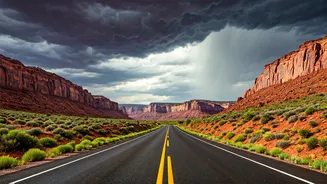
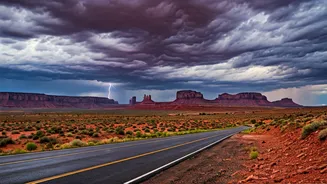
1. Chase the Dramatic Skies
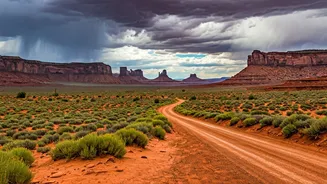
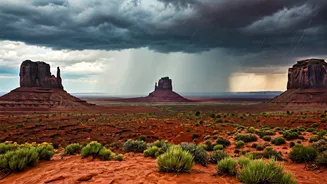
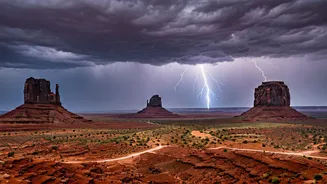
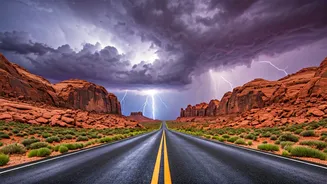
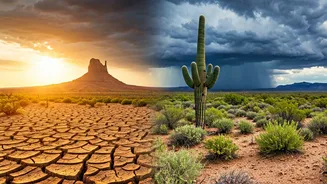
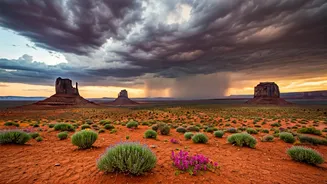
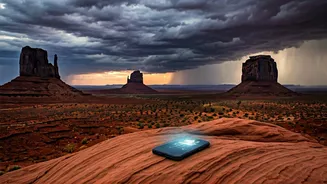
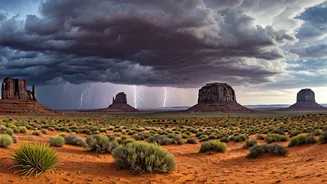
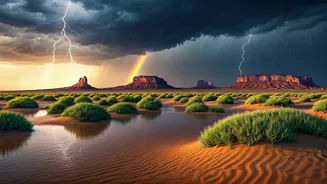
Forget endless blue skies for a moment and embrace the drama. The North American Monsoon, which typically affects states like Arizona, New Mexico, and Utah from June to September, creates some of the most spectacular skyscapes imaginable. Towering cumulonimbus
clouds build in the afternoon, their dark bases contrasting with shafts of golden sunlight. For photographers, or even just anyone with a smartphone, this is a golden opportunity. Find a safe viewpoint—a hotel balcony, a designated scenic overlook, or the edge of town—and watch the show. The shifting light and cloud formations offer a dynamic performance that a clear day simply can’t match. Just remember to stay out of open areas and head indoors if lightning gets close.
2. Savor the Scent of Desert Rain
There are few smells on Earth more distinctive or beloved than petrichor—the earthy, sweet scent produced when rain falls on dry soil. In the desert, this effect is amplified. The air, usually crisp and dry, becomes thick with the aroma of creosote bushes, sage, and damp earth. This isn’t just a consolation prize; it's a core sensory experience that many desert dwellers wait for all year. Instead of hiding from the rain, find a covered patio at a café or brewery. Order a local craft beer or a warm drink, and just sit. Listen to the powerful drumming of the downpour and breathe it all in. It’s a meditative, deeply satisfying experience you’ll remember long after you’ve dried off.
3. Swap the Trail for the Gallery
Many of the Southwest’s most popular outdoor destinations are also home to world-class cultural institutions. A rainy afternoon is the perfect excuse to explore them. The trails in Sedona might be muddy, but the town’s renowned art galleries are open and welcoming. If you’re stuck in Santa Fe, you have your pick of the Georgia O'Keeffe Museum, the Museum of Indian Arts & Culture, and the dozens of galleries on Canyon Road. In the Phoenix/Scottsdale area, you can escape the downpour in the Heard Museum or the Scottsdale Museum of Contemporary Art. A monsoon day forces you to engage with the rich artistic and cultural history of the region, providing a depth to your trip that you might have otherwise missed while focused solely on the landscape.
4. Heed the Power of Flash Floods (From a Distance)
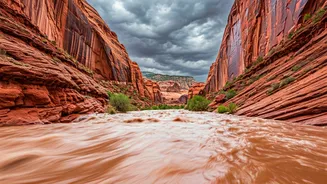
This comes with a huge, non-negotiable safety warning: Flash floods are incredibly dangerous and kill people every year. Never, ever enter a dry wash or canyon when there is rain in the forecast, even if it’s miles away. That said, witnessing the *results* of a storm from a safe location can be awe-inspiring. After a heavy downpour, dry riverbeds that were empty an hour before can transform into rushing, temporary rivers. Roads that cross these washes will be closed, but you can often find a safe bridge or high ground to watch the muddy water flow. It’s a visceral reminder of the power of water in an arid land and a key part of the desert ecosystem’s cycle of renewal.
5. Enjoy the Post-Rain Glow
Monsoon storms are intense but often brief. The period immediately after a storm passes can be the most magical time in the desert. The air is washed clean, the temperature drops, and the world seems to glow in the soft, angled light of the setting sun. The wet, red rocks of places like Moab or Sedona become intensely saturated, their colors popping with an almost surreal vibrancy. Everything feels fresh, alive, and renewed. This is a perfect time for a short, easy walk on a paved path or a drive to a viewpoint to catch the sunset. You might even be treated to a double rainbow. It’s nature’s reward for your patience.