




Beyond the Restaurant Buffet
First, let’s clear something up. The creamy, heavy dishes that dominate many Indian restaurant menus in the U.S. represent just a fraction of the subcontinent’s culinary landscape. Often derived from North Indian Mughlai traditions, this style was historically
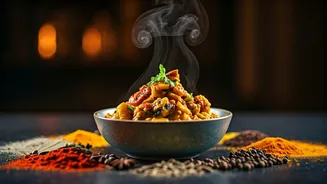
reserved for royalty and special occasions. It’s magnificent, but it’s not the everyday food that has nourished millions for millennia. Authentic Indian cuisine is incredibly diverse, regional, and, in its home-cooked form, fundamentally based on fresh, seasonal ingredients. From the coconut-laced vegetarian stews of Kerala to the lentil-and-rice simplicity of a Gujarati khichdi, the real core of Indian food is balance and nourishment. It’s less about indulgence and more about a deep, intuitive understanding of how food affects the body and mind. This is where the true feeling of wellness begins—not with a single ‘superfood,’ but with a time-tested system of eating.
The Pharmacy in the Spice Box
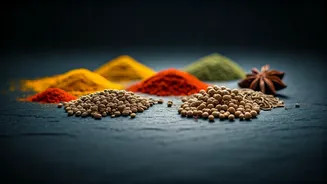
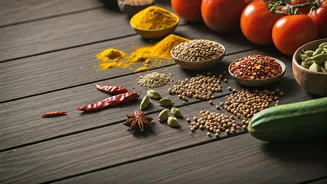
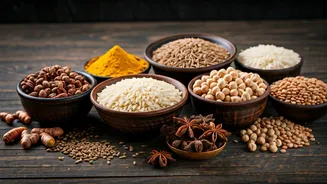
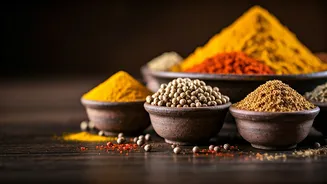
The heart of Indian cooking beats within the *masala dabba*, or spice box. These aren't just flavor enhancers; they form a complex system of preventative medicine. Turmeric, with its active compound curcumin, is a celebrated anti-inflammatory. Ginger and cumin are digestive powerhouses, helping the body process food more efficiently and reducing bloating. Fenugreek seeds can aid in blood sugar regulation, while coriander has a cooling effect on the system. This isn’t about adding a dash of turmeric to your smoothie and calling it a day. In Indian cooking, spices are used in specific combinations, often toasted in ghee or oil to activate their properties—a process called *tadka* or *chaunk*. This technique not only unlocks deeper flavors but also makes the medicinal compounds more bioavailable. Your spice rack isn’t just for taste; in the context of traditional Indian food, it’s a toolkit for daily digestive health and vitality.
The Symphony of Six Tastes
One of the most profound concepts in traditional Indian eating, rooted in Ayurveda, is the importance of incorporating six tastes into every meal: sweet, sour, salty, pungent, bitter, and astringent. A typical American meal often hits only sweet and salty, leaving us feeling unsatisfied and craving more. An authentic Indian meal, often served as a *thali* (a platter with small bowls), is designed to be a complete sensory and nutritional experience. The sweet might come from rice or a piece of fruit, the sour from yogurt or tamarind, the salty from, well, salt, the pungent from chiles or ginger, the bitter from greens like kale or fenugreek leaves, and the astringent from lentils or pomegranate. By hitting all these flavor notes, the meal satisfies the body on a cellular level, signaling to the brain that it has received a full spectrum of nutrients. This holistic approach naturally curbs overeating and makes you feel profoundly content, not just full.
It's a Philosophy, Not a Diet
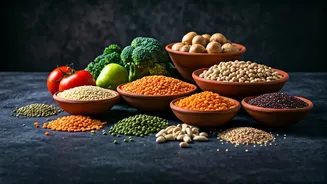
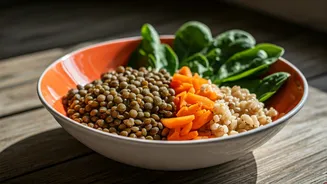
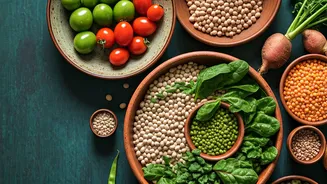
Ultimately, the wellness that authentic Indian food offers is not about calorie counting or restrictive rules. It’s a philosophy. It’s about eating seasonally, honoring the ingredients, and understanding that digestion is the cornerstone of health. It’s in the incredible variety of plant-based dishes, where lentils, beans, and vegetables are the stars. It’s in the use of fermented foods like yogurt and idli, which support gut health. And it’s in the very act of eating—often a communal, mindful practice that’s a world away from scarfing down a sandwich at your desk. This approach makes wellness feel real because it’s not an abstract goal you chase with powders and pills. It’s tangible. You can taste it in the zing of ginger, smell it in the aroma of blooming spices, and feel it in the quiet, sustained energy it provides. It integrates well-being into the most fundamental and joyful of human activities: eating.