





It’s About ‘Healthspan,’ Not Just Lifespan
The fundamental reason longevity dominates the wellness conversation is a crucial shift in focus: from lifespan to healthspan. For decades, the goal of medicine was to extend life, tacking on years even if they were marked by chronic disease and low quality
of life. The longevity movement reframes this entirely. The new aspiration isn't just to live to 100, but to be active, sharp, and vibrant at 95. This concept of 'healthspan'—the period of life spent in good health, free from the disability and chronic pain of aging—is a far more compelling goal for a generation already focused on optimization and quality of life. It transforms aging from a passive decline into a manageable condition, a problem to be solved with proactive, daily interventions.
The Billionaire Biohacker Effect
Nothing makes a trend feel more futuristic and aspirational than when Silicon Valley throws its money and media savvy behind it. Figures like tech entrepreneur Bryan Johnson, who spends millions annually on a rigorous data-driven protocol to reverse his biological age, have become walking billboards for the longevity movement. While his methods are extreme, they generate massive public curiosity and conversation. This high-profile interest, coupled with serious investment from tech moguls like Jeff Bezos and Larry Page into anti-aging research companies, has given the field a sheen of legitimacy and cutting-edge appeal that previous wellness fads lacked. It’s no longer seen as fringe science fiction; it’s the next frontier for the world’s most powerful innovators.
Data Is the New Doctor
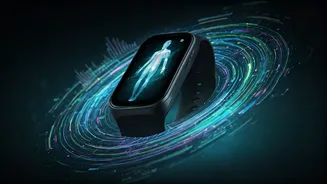
The wellness industry has gone from telling you to 'listen to your body' to giving you the tools to quantify its every signal. The explosion of wearable technology like Oura rings, Whoop bands, and continuous glucose monitors (CGMs) has democratized personal health data. You no longer need an annual physical to get a snapshot of your health; you have a 24/7 data stream measuring your sleep quality, heart rate variability, and metabolic response to food. This empowers individuals to become the CEOs of their own health, making micro-adjustments to their diet, exercise, and sleep based on real-time feedback. Longevity is the perfect application for this technology, turning the abstract goal of 'living longer' into a daily game of optimizing your numbers.
Science Is Finally Catching Up
While some aspects of the trend are speculative, the longevity movement is built on a growing foundation of legitimate science. Researchers are making real progress in understanding the biological hallmarks of aging, such as cellular senescence (the accumulation of 'zombie cells'), mitochondrial dysfunction, and the role of pathways like mTOR. This research is moving from obscure labs into the mainstream consciousness, thanks to influential figures like Dr. Peter Attia (author of 'Outlive') and neuroscientist Andrew Huberman. They act as translators, breaking down complex science into actionable advice for millions of podcast listeners and readers. This gives the movement credibility, distinguishing it from the vague promises of past wellness trends and grounding it in biochemistry and evidence.
A New Market for Peak Performance
Where there is a trend, there is a market. Longevity has created a booming industry that extends far beyond the gym. It’s a market for supplements like NAD+ boosters, resveratrol, and NMN; for specialized blood panels that measure dozens of biomarkers; for at-home cold plunge tubs and infrared saunas; and for exclusive clinics offering full-body MRIs and advanced diagnostic testing. The ultimate wellness consumer is no longer just buying organic kale and a yoga membership. They are investing in a suite of products and services designed not just for maintenance, but for optimization and reversal of biological aging. This commercial ecosystem makes the trend tangible, accessible at various price points, and constantly visible in our consumer culture.