



The Cool Green Oasis
First, let’s get our bearings. Mount Abu is the only hill station in Rajasthan, a state otherwise famous for its arid landscapes. For American travelers spending weeks exploring the magnificent but often sweltering cities of Jaipur, Jodhpur, and Udaipur,
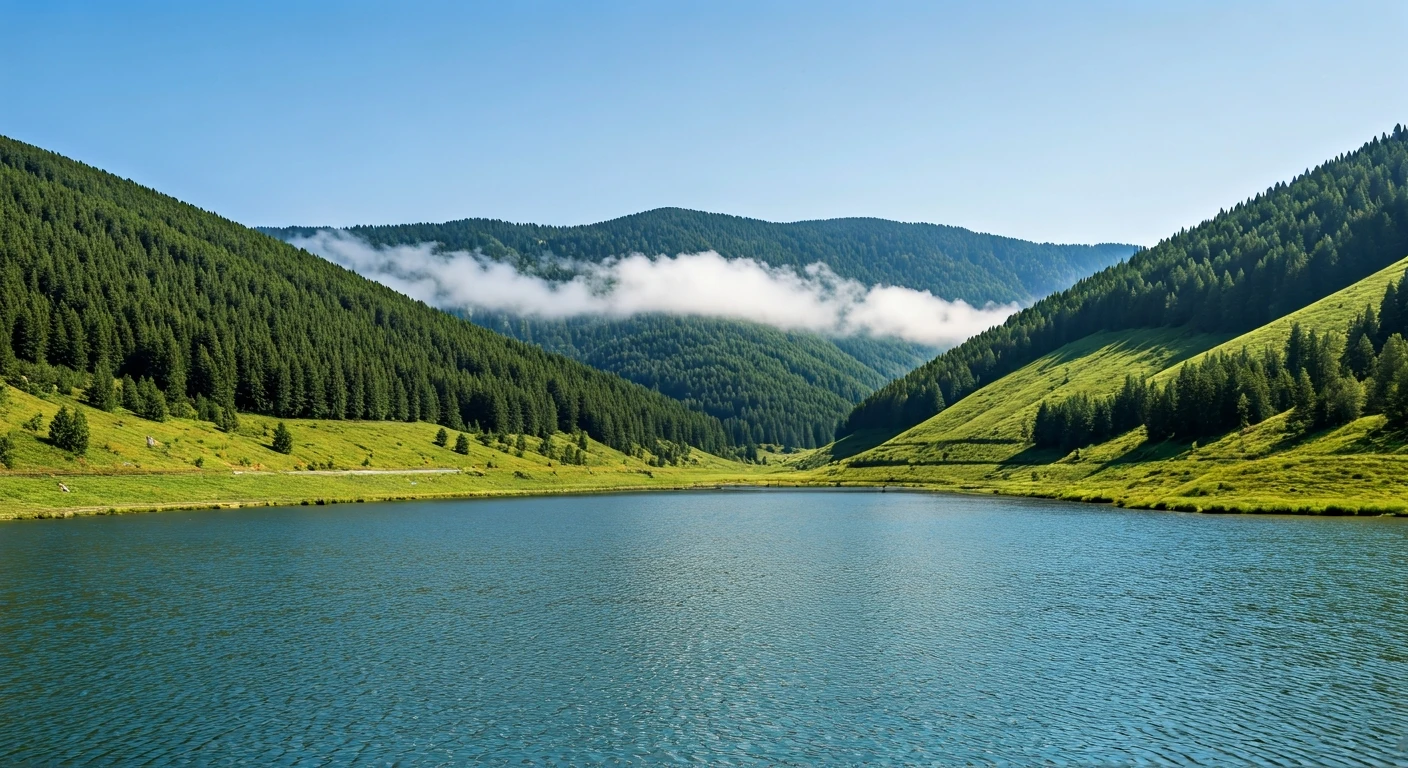
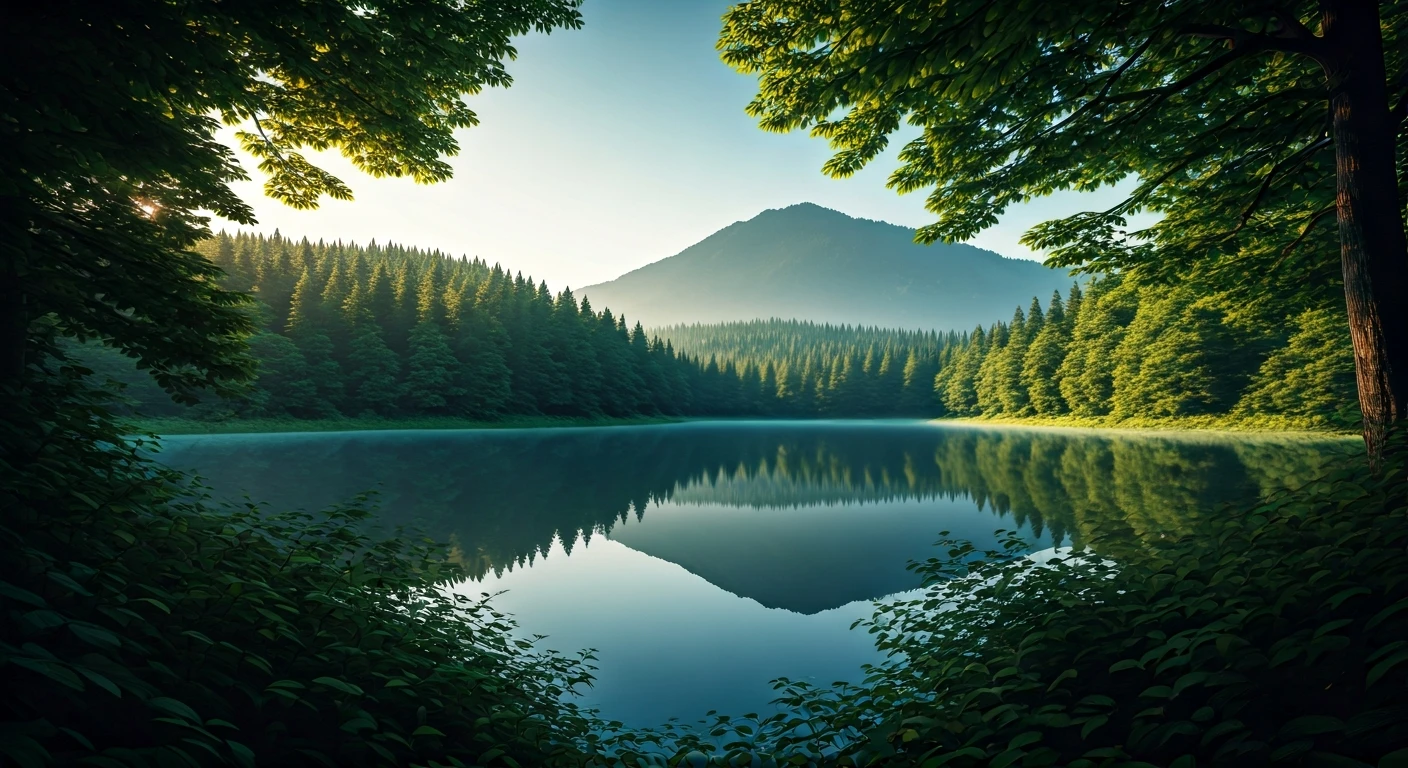
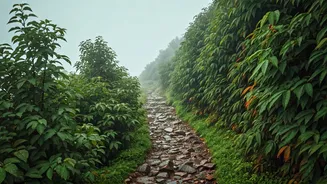
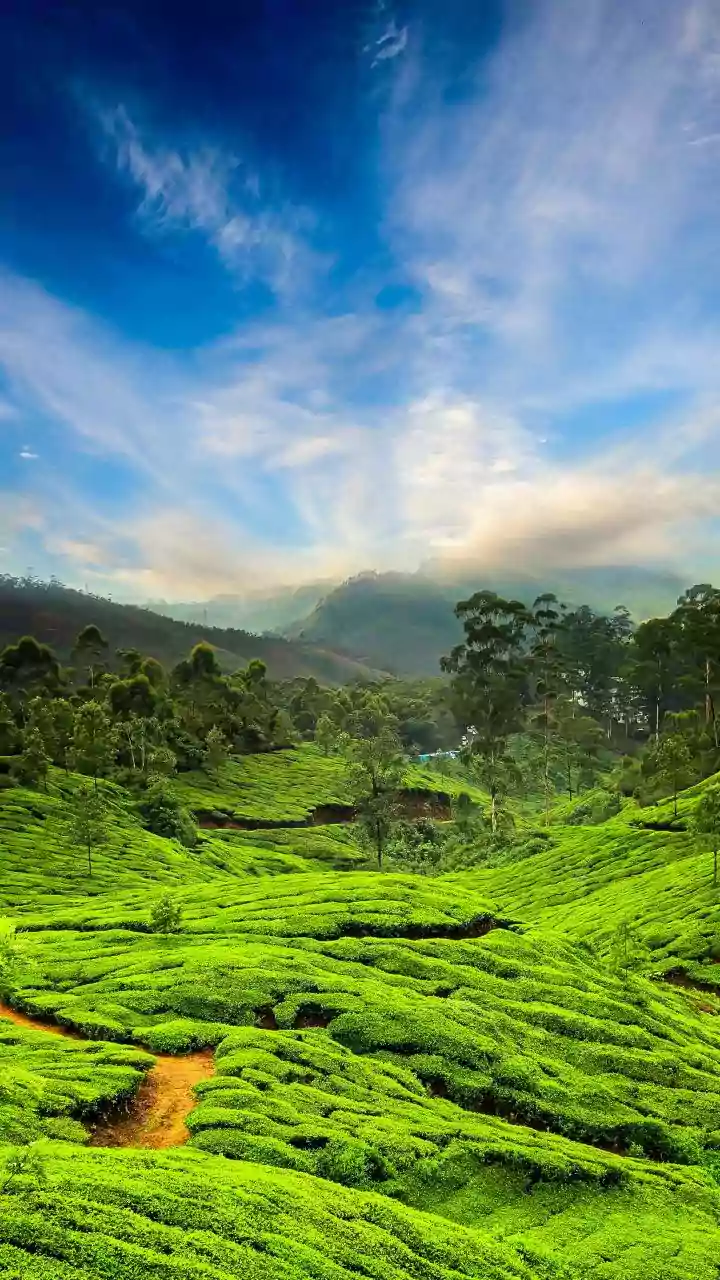
this place is a revelation. As your car winds its way up the mountain roads, the dry scrubland gives way to a lush, subtropical forest of conifers and flowering shrubs. The air cools, the humidity drops, and the frantic energy of the plains melts away. It feels less like Rajasthan and more like a pocket of the Pacific Northwest dropped into western India. This dramatic shift is Mount Abu’s first and most powerful selling point: it’s a physical and psychological respite from the intensity of a desert tour.
A Masterpiece in Marble
While the climate is the immediate draw, the soul of Mount Abu lies within the Dilwara Temples. Don't let the modest exterior fool you. Built between the 11th and 13th centuries, these five Jain temples are considered among the most spectacular examples of marble carving in the world. To step inside is to be humbled. Every surface—from the ceilings to the pillars—is covered in jaw-droppingly intricate detail. The lace-like patterns, celestial figures, and lotus-bud pendants were carved with such precision that the marble appears almost translucent. It’s a level of artistry that rivals the Taj Mahal, but with a fraction of the crowds. For anyone with an appreciation for history, art, or sheer human dedication, the Dilwara Temples are not just a highlight of Mount Abu; they are a highlight of India.
The Heartbeat: Nakki Lake
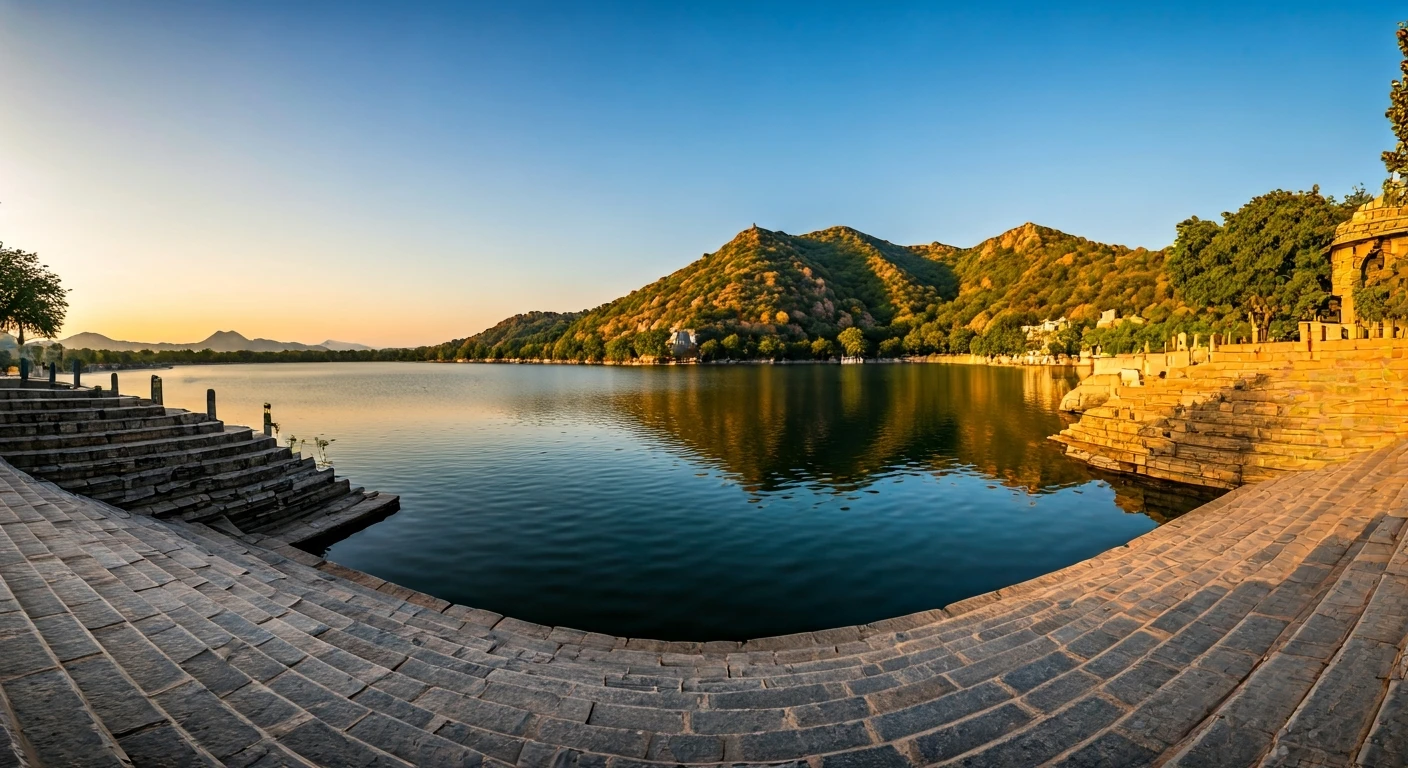
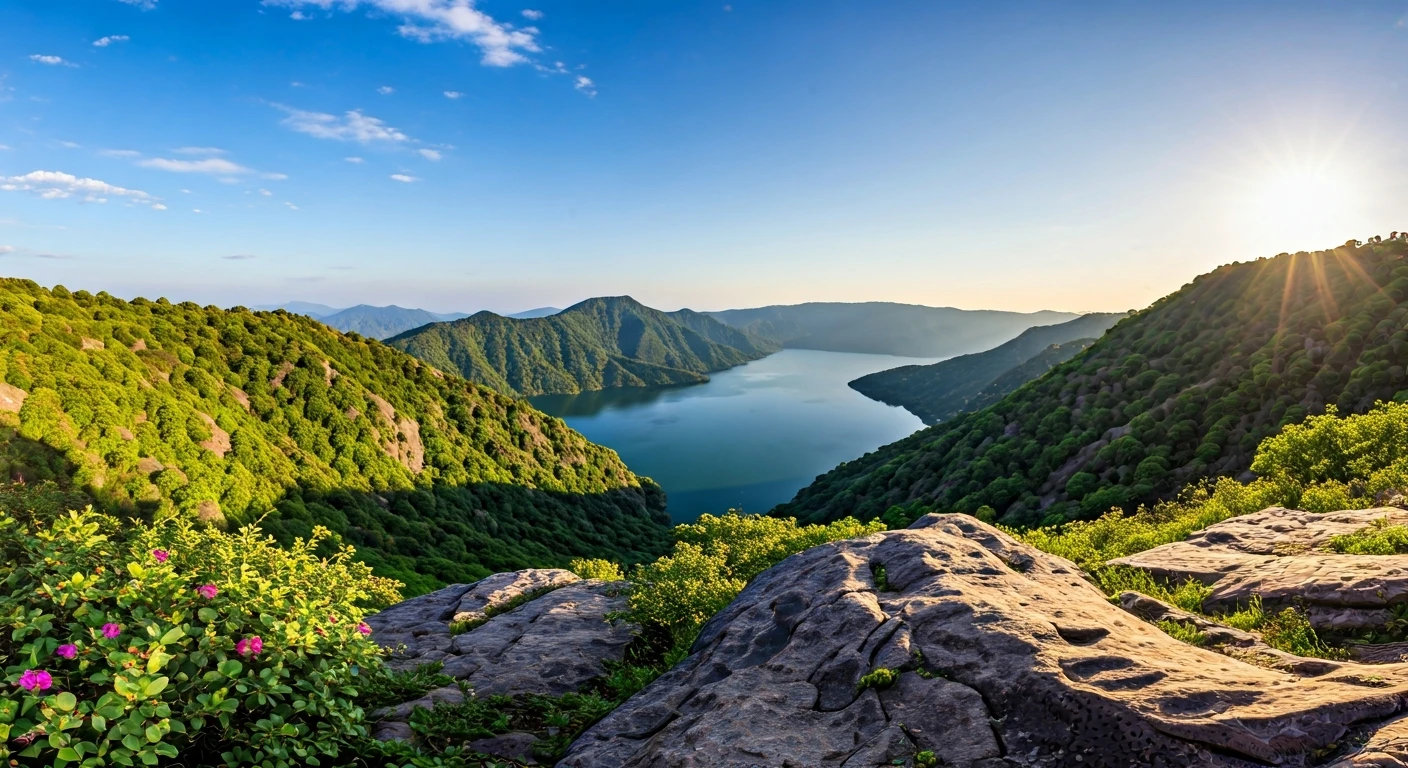
Every classic hill station needs a central lake, and Mount Abu is no exception. Nakki Lake is the town's social and geographical heart. According to legend, it was dug by the gods using their fingernails (or 'nakh'). Today, its placid waters are dotted with swan-shaped paddle boats, and the promenade that encircles it is a hub of activity. Families stroll, vendors sell roasted corn and ice cream, and tourists browse the bustling main bazaar just a stone's throw away. It's not a grand or imposing place; it’s charming and a little bit kitschy, in the way of old-school resort towns everywhere. Taking a leisurely boat ride or simply sitting by the shore as the sun sets is a quintessential Mount Abu experience, offering a dose of simple, relaxing fun.
Why It 'Still Works'
So, what does the headline mean that it “still works”? Mount Abu isn't a polished, five-star luxury destination in the vein of a slick international resort. It’s a classic Indian holiday spot, popular for honeymoons and family vacations for generations. The vibe is pleasantly nostalgic and a bit dated, and that’s precisely its strength. It’s authentic. After navigating the more tourist-heavy parts of Rajasthan, the straightforward, unpretentious atmosphere is refreshing. Here, you’re not just seeing historic sites; you’re getting a glimpse into Indian domestic tourism. It works because it provides a perfect counter-narrative: a place to slow down, breathe cool air, and recharge before plunging back into the magnificent chaos of the desert plains. It’s the comma in the long, beautiful sentence of a Rajasthan journey.