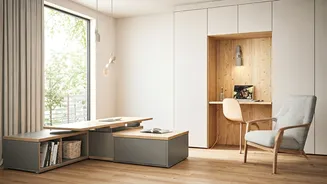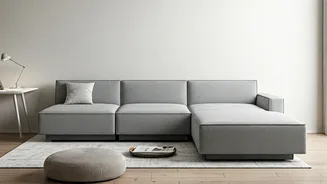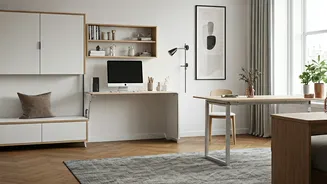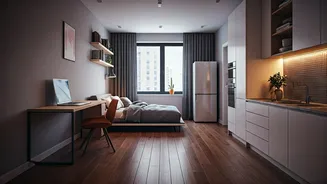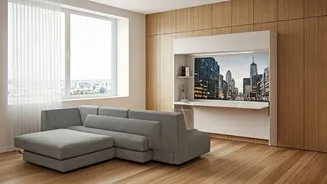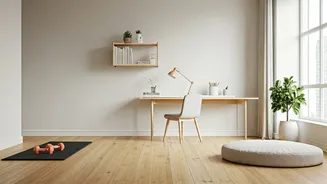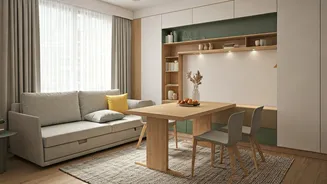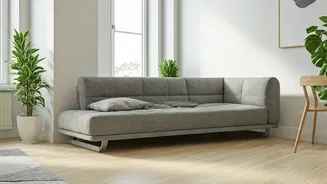

Beyond Multifunctional: The 'Multi-Mood' Philosophy
We’ve all heard of multifunctional furniture—the sofa that becomes a bed, the table that doubles as a desk. The 'multi-mood' space takes this a step further. It’s not just about changing a room’s *function*; it’s about changing its *feeling*. This emerging
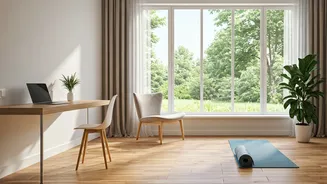
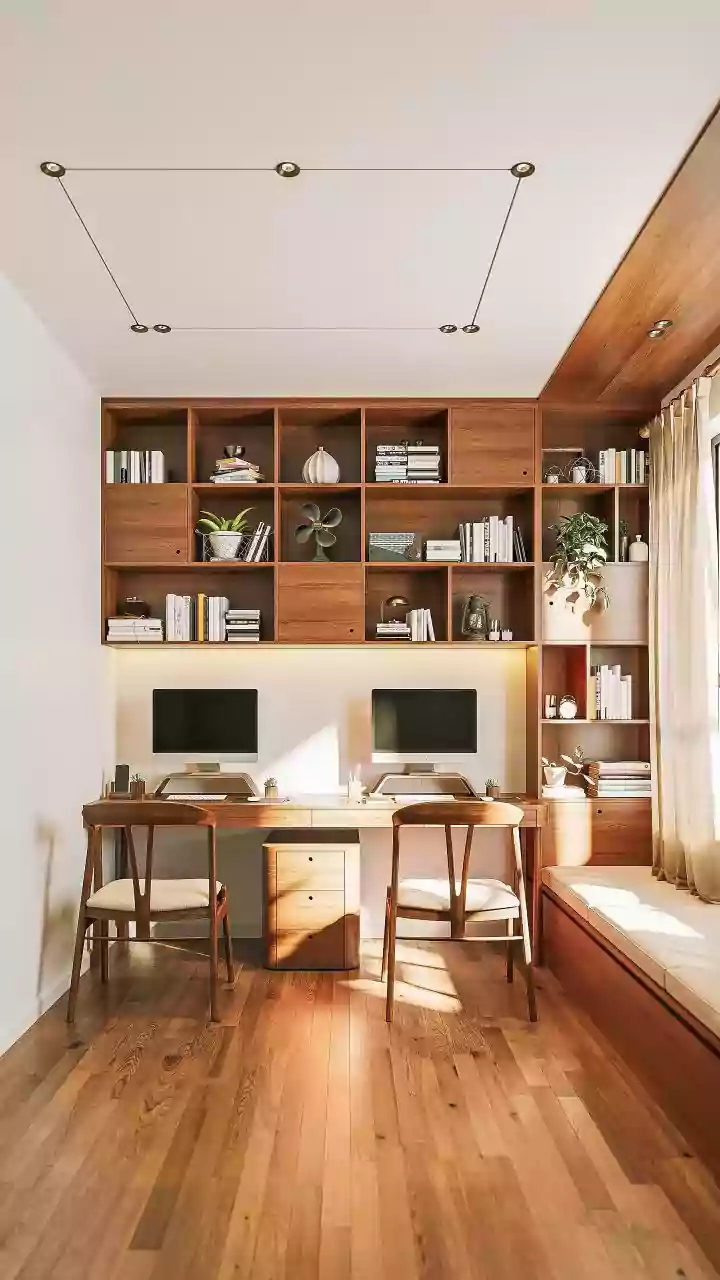
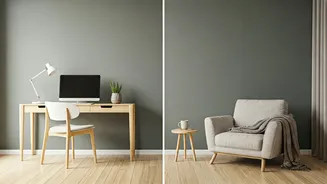
design ethos, popular among Gen Z renters and first-time homeowners, focuses on using sensory cues to create distinct emotional zones within a single, often small, area. Your desk area shouldn't just be where you work; it should *feel* productive and focused. Your reading nook shouldn't just hold a chair; it should *feel* cozy and escapist. It’s a psychological approach to interior design, recognizing that in an era of constant connectivity and blurred work-life boundaries, our homes need to support our mental well-being as much as our physical activities.
A Response to Modern Pressures
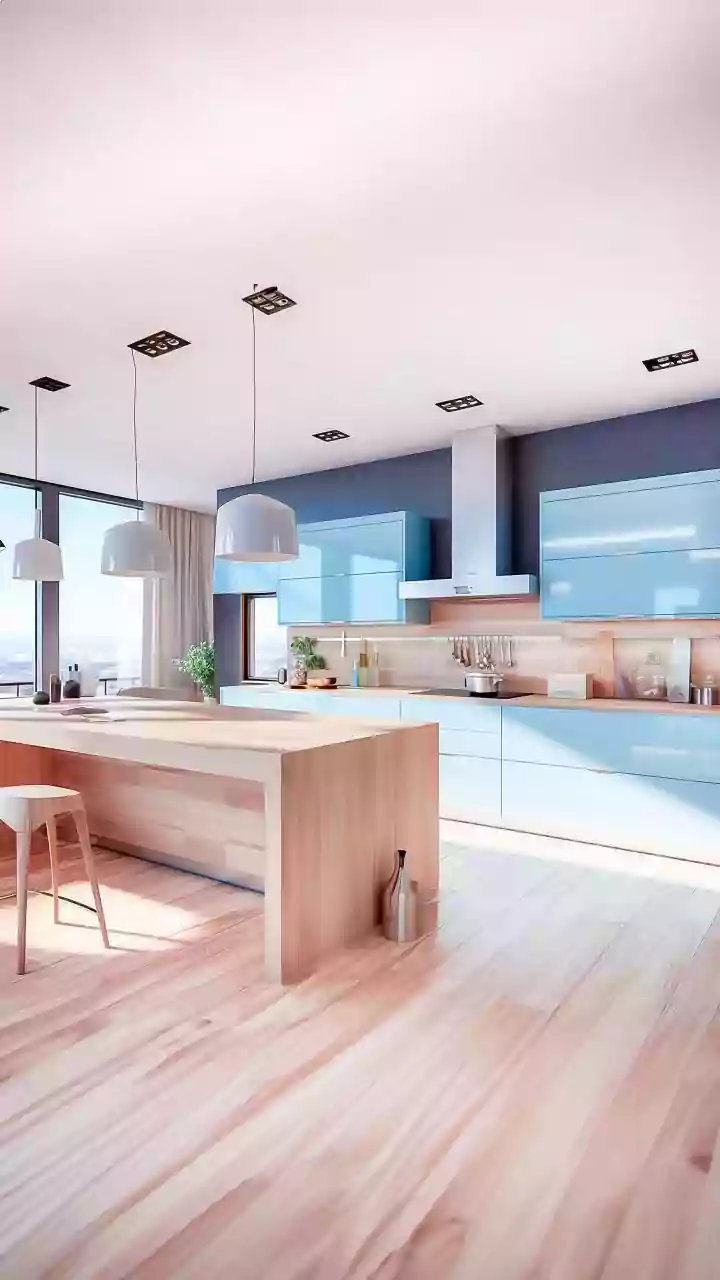
This trend isn't just about aesthetics; it's a direct response to the economic and social realities facing younger Americans. With rising rents and a competitive housing market, many are living in smaller square footage than previous generations. A single room must serve as an office, a content creation studio, a place to decompress, and a space to entertain. The multi-mood approach provides a sense of control and variety in a limited environment. By creating a 'calm zone' with soft lighting and a 'creative zone' with inspiring art, you can mentally 'travel' throughout your day without ever leaving your apartment. It’s a way to combat the monotony and potential claustrophobia of single-room living, making a small space feel expansive and responsive to your needs.
Create Your Zones with Color and Rugs
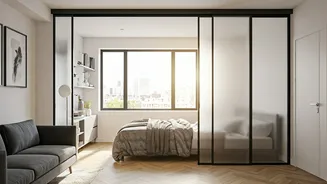
The easiest way to signal a shift in mood is with visual boundaries. You don’t need walls to create rooms. A strategically placed area rug can instantly anchor a 'living room' zone around your couch. Painting an arch or a block of color on the wall behind your desk—a popular DIY trick on TikTok—creates a designated 'office' that feels separate from the rest of the space. This technique, called 'color drenching' or 'zoning', uses paint to create psychological architecture. A warm, earthy terracotta behind your bed can signal rest, while a vibrant, energizing color in your workout corner can motivate you to move. These visual cues train your brain to associate different parts of your home with different mindsets.
Master the Art of Mood Lighting
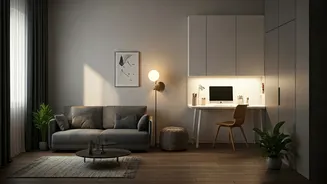
Never underestimate the power of lighting to completely transform a room's atmosphere. A single, harsh overhead light makes a space feel flat and uniform. To create mood zones, think in layers. Your desk needs bright, focused task lighting. Your reading nook calls for a soft, warm floor lamp. Your 'chill' zone might be defined by the ambient glow of a salt lamp, neon sign, or color-changing LED strips. Smart bulbs are a game-changer here, allowing you to switch from a bright, cool white for morning focus to a warm, dim amber for evening relaxation with a simple voice command or tap on your phone. By giving each 'zone' its own dedicated light source, you can turn different parts of your home 'on' or 'off' as you move through your day.
Engage the Other Senses
A true multi-mood space goes beyond what you see. Consider how you can use scent and sound to delineate your zones. A small essential oil diffuser on your desk with a focus-enhancing scent like peppermint or rosemary can help you get into a productive headspace. In the evening, lighting a calming lavender or sandalwood candle in your relaxation corner signals to your brain that the workday is over. Sound works similarly. A dedicated speaker in your 'creative' zone can be used for upbeat playlists, while noise-canceling headphones can create a cone of silence at your workspace. These sensory inputs reinforce the purpose of each zone, making the transition between moods more distinct and intentional.