









The Rise and Fall of Aspirational Stuff
Remember the era of logomania? It was followed by its more subtle, sophisticated cousin: quiet luxury. This was the aesthetic of the ultra-rich, defined by impeccably crafted, logo-free items that cost a fortune but only signaled their value to those
'in the know.' Think heritage brands, neutral palettes, and the kind of clothing worn by billionaires on TV dramas. It was about communicating status through discernment, not garish branding. But even at its most understated, quiet luxury was still fundamentally about one thing: consumption. It was a game you could only play if you had immense disposable income to spend on a $1,000 sweater or a $10,000 handbag. For the vast majority of people, it was another aspirational trend to observe from afar, beautiful but ultimately unattainable and, in today’s economic climate, slightly out of touch.
From Aspiration to Economic Anxiety
The cultural mood has shifted. For Millennials and Gen Z, the economic landscape looks starkly different from the one their parents navigated. Saddled with student loan debt, facing a prohibitively expensive housing market, and battered by years of inflation, the idea of spending a month's rent on a status item feels less like a luxury and more like a liability. The social contract that promised hard work would lead to comfortable ownership has frayed. In its place is a gnawing sense of precarity. This environment has fundamentally changed the definition of success. Conspicuous consumption, even the quiet kind, can feel tone-deaf when your peers are celebrating paying off a credit card or finally building a three-month emergency fund. The new aspiration isn't about looking rich; it's about feeling secure.
The New Status Symbols: HYSAs and Index Funds
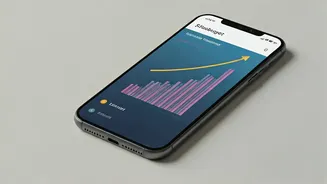
So, what has replaced the cashmere knit as the object of desire? The humble, high-yield savings account (HYSA). Or the diligently funded Roth IRA. Or the automated investment into a low-cost index fund. This is the new quiet luxury. It’s a form of wealth that isn’t worn on your sleeve but is held in your portfolio. It’s discreet, powerful, and provides something no handbag ever could: genuine peace of mind and freedom. Young people are now flexing their financial literacy online, sharing screenshots of their savings goals, celebrating their credit score improvements, and discussing compound interest on TikTok. The 'get ready with me' videos are being replaced by 'budget with me' spreadsheets. Being smart with money—understanding it, controlling it, and making it grow—has become a form of self-care and a genuine source of pride and, yes, status.
Wealth as Wellness, Not Just Wealth
This shift is about more than just economics; it's about a redefinition of what it means to be 'well.' The modern concept of wellness has expanded beyond green juice and yoga to include mental, emotional, and financial health. Financial anxiety is a significant source of stress, and actively managing your money is now framed as an essential practice for a stable, happy life. Smart saving isn't just about hoarding cash. It’s about creating options. It's the luxury of being able to quit a toxic job, handle an unexpected medical bill without panic, or take a career risk. This kind of wealth is invisible but deeply felt. It’s the quiet confidence that comes from knowing you have a safety net that you built yourself. It doesn't need a logo because its value is intrinsic and personal.