


An Entire Season, Not Just a Fruit
Imagine if the excitement for the first pumpkin spice latte of fall was magnified a thousand times, spread across an entire subcontinent, and involved a sacred, succulent fruit. That's the start of mango season in India. From late March through July,
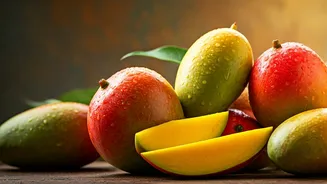
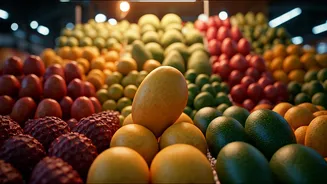
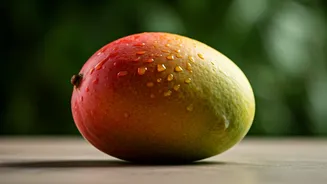
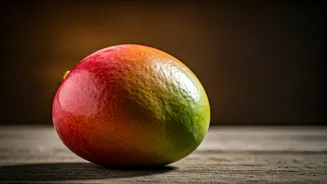
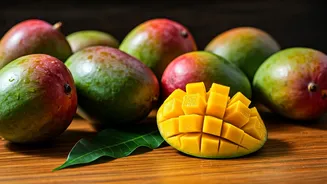
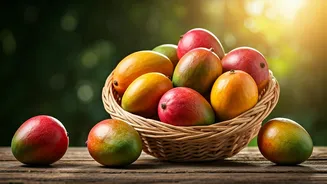
the country is gripped by what can only be described as mango fever. The air in markets becomes thick with a sweet, intoxicating perfume. Street vendors stack pyramids of green, yellow, and blush-orange globes. Family WhatsApp groups buzz not with gossip, but with reports: 'The Alphonsos have arrived!' For hundreds of millions of people, summer isn't just a season of heat; it's a period of frantic, joyous consumption. Life is scheduled around the fruit. People plan trips to their ancestral villages just to taste the mangoes from their family's trees. Elaborate crates are painstakingly packaged and shipped to relatives across the country and the globe—a gesture that says 'I'm thinking of you' far more eloquently than a postcard.
A Royal History and a Divine Flavor
This obsession is thousands of years old. The mango, or *Mangifera indica*, is native to the region, with mentions in Sanskrit texts dating back over 4,000 years. It’s woven into Hindu and Buddhist lore; the Buddha was once gifted a mango grove so he could rest in its shade. But it was the Mughal emperors of the 16th and 17th centuries who truly elevated the mango to an object of aristocratic desire. They were horticultural fanatics, cultivating thousands of varieties in sprawling orchards. Emperor Akbar, a legendary ruler, was said to have planted an orchard of 100,000 mango trees.
This royal patronage cemented the mango's status as the 'king of fruits.' It wasn't just food; it was a symbol of power, wealth, and sophisticated taste. This historical reverence trickles down to the present day, where knowing your mangoes—and having a strong opinion on which variety is superior—is a point of pride.
The United States of Mangoes
To ask an Indian 'Do you like mangoes?' is like asking an American 'Do you like sandwiches?' The immediate follow-up is, 'Which kind?' India is home to over 1,500 varieties of mango, each with its own distinct flavor profile, texture, aroma, and fiercely loyal fanbase. The country is a patchwork of mango terroirs.
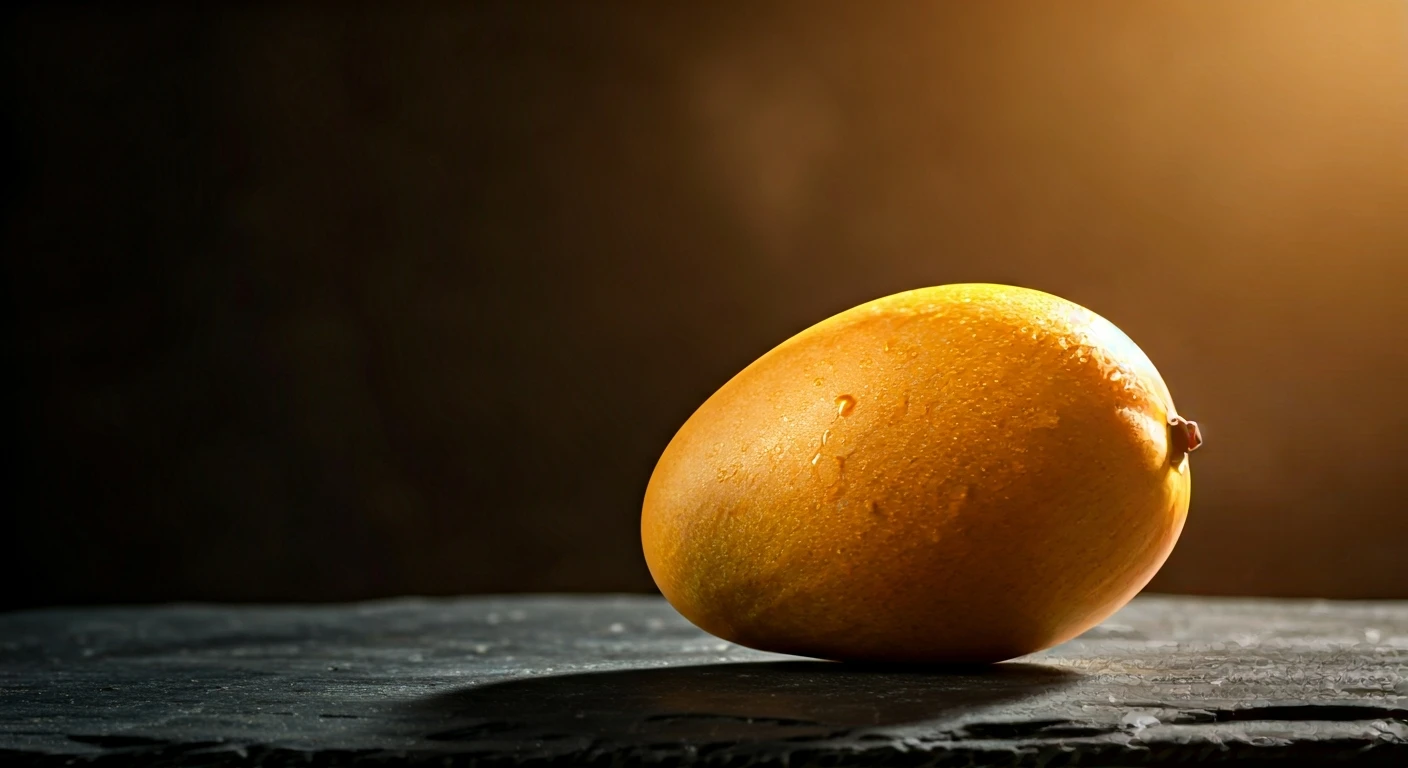
The Alphonso, grown primarily in Maharashtra, is the most famous internationally—a creamy, non-fibrous, saffron-hued flesh bomb that commands high prices. But in the north, people swear by the sweet, slightly tangy Dasheri or the oddly shaped, honeyed Langra. In Gujarat, it's all about the Kesar, perfect for making *aamras*, a thick mango pulp eaten with flatbread. The south has its Banganapalli and Totapuri. These aren't just subtle differences; the debates are as passionate and regional as those over Texas versus Carolina barbecue.
The Taste of Childhood and Memory
Beyond the history and variety, the mango’s deepest power lies in its connection to memory. For countless Indians, the taste of a mango is the taste of childhood. It’s the memory of carefree summer vacations, of sitting on a porch with siblings, juice dripping down your arms as you devoured fruit after fruit. It’s the flavor of a grandmother’s pickles, a mother’s chutney, or a cool, refreshing lassi on a sweltering afternoon.
Eating a mango correctly is, itself, a ritual. Some meticulously slice it into neat cubes. Others prefer the 'hedgehog' method. Many, however, will tell you the only true way is to soften the fruit by hand, bite off the top, and suck the pulp directly from the skin, an act of pure, unadulterated pleasure. This sensory, often messy experience connects people to a simpler, more joyful time.