


A Sacred, Ancient Origin
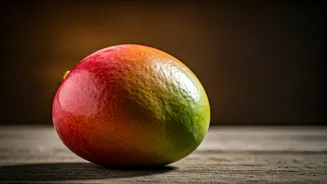
Before it was a smoothie ingredient or a salsa component, the mango was an object of reverence. For over 4,000 years, Mangifera indica has grown wild in the foothills of the Himalayas in eastern India and Myanmar. In Hindu and Buddhist lore, the fruit
is a symbol of love, fertility, and divine attainment; the Buddha himself was said to have been gifted a mango grove to meditate in. Ancient Sanskrit poets praised its intoxicating flavor, and Mughal emperors, like the great Akbar in the 16th century, cultivated vast orchards with over 100,000 trees, treating the fruit as a prized possession and a tool of diplomacy. This wasn't just food; it was a cultural cornerstone, a representation of life and prosperity gifted from the gods.
From India to the Americas
The mango didn't stay in India for long. Its journey is a story of exploration, trade, and colonization. Persian traders carried it to the Middle East and Africa by the 10th century. In the 16th century, Portuguese explorers, who had established trade posts in India, fell in love with the fruit. They are largely credited with its global spread, planting mango seeds in West Africa and, crucially, bringing them across the Atlantic to Brazil. From Brazil, the mango worked its way north into the Caribbean and Mexico, adapting to new climates and creating new regional varieties along the way. Each new home added another layer to its story, another culture that embraced its sun-drenched flavor and made it their own.
The Florida Experiment
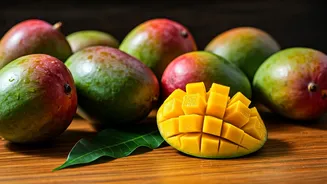
The mango’s arrival in the United States is a surprisingly recent chapter. While it reached Mexico centuries earlier, the fruit didn't establish a foothold in the U.S. until the 1830s in Florida, and commercial cultivation only truly began in the early 20th century. Early attempts were fraught with challenges, but horticulturists like David Fairchild saw its potential. The key to its American success story is the Tommy Atkins variety. Developed in Florida in the 1940s, it wasn't the most flavorful mango, but it was tough. Its thick skin resisted bruising, it had a long shelf life, and its beautiful red blush was a marketer’s dream. The Tommy Atkins became the ambassador that introduced millions of Americans to the mango, paving the way for the softer, sweeter varieties like the Kent, Keitt, and honey-sweet Ataulfo that now share shelf space.
More Than a Fruit, a Memory
For many Americans in diaspora communities, the mango is more than a seasonal treat; it's a powerful taste of home. A single bite of a perfectly ripe Ataulfo can transport someone back to a childhood in Mexico, enjoying slices sprinkled with Tajín from a street vendor. For South Asian families, the annual hunt for a box of sweet Alphonso or Kesar mangoes is a cherished ritual, a way to connect with a heritage half a world away. It’s the flavor of summer vacations, grandmother’s chutney, and cool, creamy lassis. The fruit becomes a vessel for memory, a sensory bridge connecting generations and continents. It's the reason a family might drive an hour to a specific ethnic grocery store, paying a premium not just for a fruit, but for a feeling.
The Modern Supermarket Star
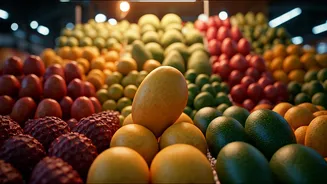
Today, the mango has officially gone mainstream. It’s no longer an exotic mystery but a familiar favorite. You can find it starring in craft beer IPAs, blended into trendy acai bowls, folded into artisanal ice cream, and served as a bright, acidic counterpoint in savory dishes at Michelin-starred restaurants. Its versatility is its strength. It can be sweet, tangy, spicy, or even savory when eaten green. The rise of pre-cut spears and frozen chunks has made it more accessible than ever, removing the intimidation factor of its large pit and sometimes-tricky peel. The mango has completed its journey from a sacred Indian fruit to a global culinary superstar, beloved from Miami to Mumbai to Minneapolis.