

Hydration, But Make It Clean
It seems counterintuitive to worry about dehydration when it’s pouring outside, but the persistent heat and humidity of monsoon season can still lead to water loss. More importantly, the sudden abundance of puddles presents a serious risk. That standing
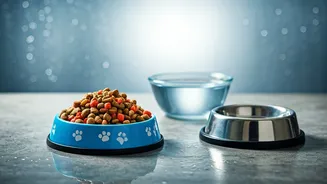
water isn't just dirty; it can be a breeding ground for dangerous bacteria and parasites like Giardia and Leptospirosis, not to mention runoff containing pesticides and automotive fluids. A sip can lead to severe gastrointestinal distress or worse. To keep your pet safe, always provide ample fresh, clean water inside. If your pet is reluctant to drink, make it more appealing. Try using a pet water fountain, as the moving water can entice them. You can also add a splash of low-sodium chicken or bone broth to their water bowl to encourage drinking. For extra hydration, consider incorporating wet food into their diet or adding water to their dry kibble, turning their meal into a hydrating boost.
Bolster Their Immune System
Monsoon season means one thing for the environment: moisture. High humidity creates the perfect conditions for mold and fungi to flourish, both outdoors and sometimes inside the home. Your pet inhales these spores just like you do, which can put a strain on their immune system, especially if they are prone to allergies. A strong immune system is the first line of defense.
Help your pet’s body fight off environmental stressors by incorporating antioxidant-rich foods into their diet. Antioxidants combat cellular damage and support overall immunity. Look for pet-safe options like blueberries, raspberries, cooked sweet potatoes, and carrots. These can be given as small treats or mixed into their regular food. Commercial dog and cat foods formulated with a blend of vitamins E and C, selenium, and beta-carotene can also provide excellent immune support.
Focus on Digestive Health
Thunderstorms, changes in exercise routines, and the temptation of forbidden puddle-slurping can all lead to an upset stomach. A pet’s digestive system is a sensitive ecosystem, and the disruptions of monsoon season can easily throw it out of balance. Supporting their gut health can prevent minor issues from becoming major problems.
Probiotics are key. These beneficial bacteria help maintain a healthy balance in the gut, aiding digestion and warding off pathogens. You can add a spoonful of plain, unsweetened yogurt or kefir to your pet’s food. Alternatively, ask your veterinarian about a high-quality probiotic supplement specifically designed for cats or dogs. Easily digestible foods, often found in “sensitive stomach” formulas, can also be beneficial during this time, putting less stress on their digestive tract.
Soothe Skin and Coat Issues
The same dampness that encourages mold growth can also wreak havoc on your pet’s skin. Constant moisture on their fur and paws can lead to fungal infections, yeast overgrowth, and painful “hot spots” (acute moist dermatitis). While diligent drying after every trip outside is crucial, nutrition plays a vital role in building resilient skin from the inside out.
Omega-3 fatty acids are your best friend here. Found in fish oil, flaxseed, and certain algae, these essential fats have powerful anti-inflammatory properties. They help strengthen the skin barrier, reducing itchiness and making it harder for irritants to cause a reaction. Supplementing with fish oil (ensure it’s a high-quality, mercury-free brand) can promote a healthy, shiny coat and more comfortable skin for your pet throughout the wet season.