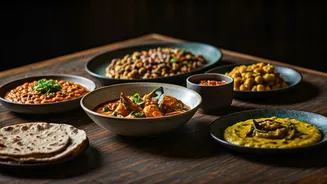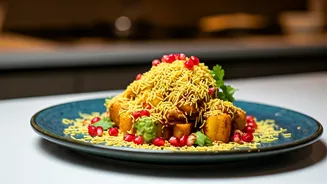


First, What Is 'Chatpata'?
If you've ever had chaat, the wildly popular category of Indian street snacks, you've experienced chatpata. The word itself translates from Hindi to something like 'lip-smacking' or 'piquant.' It’s not a single flavor but a symphony of them: the sourness
of tamarind (imli), the heat of green chiles, the coolness of yogurt (dahi), the sweetness of date chutney, the salty funk of black salt (kala namak), and the crunch of fried dough (papdi) or puffed rice (murmura). Chaat masala, a signature spice blend, is the backbone, typically containing dried mango powder (amchur), cumin, coriander, and asafoetida. Traditionally, these dishes—like pani puri, bhel puri, and dahi puri—are assembled quickly, served casually, and devoured immediately, offering an explosion of taste and texture in every bite.
From Street Food to Center Stage
For decades, the American understanding of Indian food was largely confined to a familiar rotation of curries, naan, and tandoori chicken. But a culinary shift is underway, driven by a new generation of South Asian American chefs who are confidently reinterpreting the food of their heritage. They aren't just recreating their grandmother's recipes; they're using them as a launching pad for innovation. Instead of relegating chatpata flavors to an appetizer or a street food special, these chefs are placing them at the heart of their menus. They are applying fine-dining techniques and using high-quality, often local, ingredients to elevate these humble, beloved dishes into something new and exciting, all while preserving their soulful essence.
Spotlight on the Plate
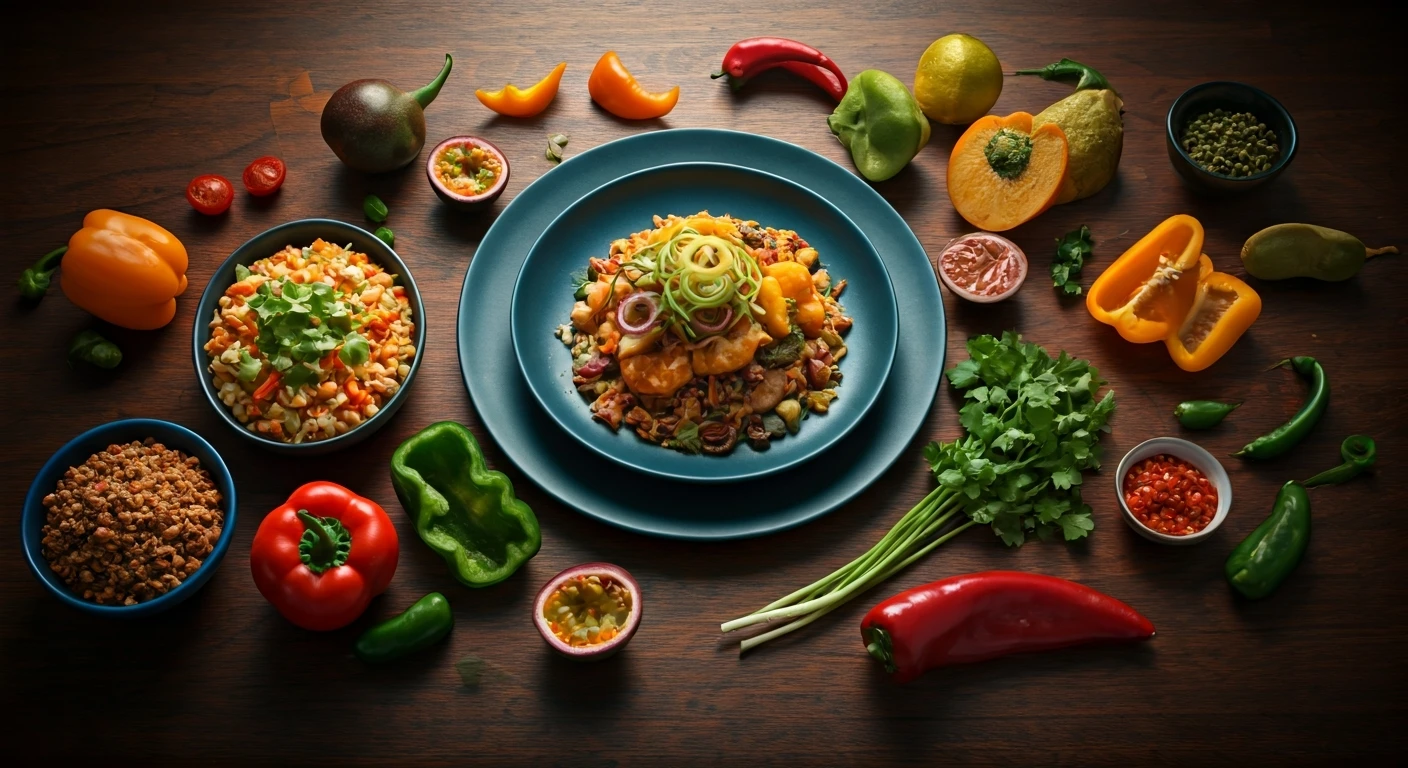
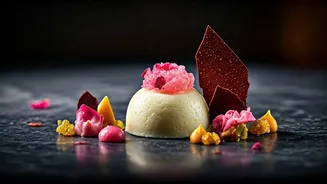
So what does a modern chatpata glow-up look like? In New York, you might find a deconstructed samosa chaat, where the familiar spiced potato filling is presented alongside delicate, crispy shards of pastry and artfully drizzled chutneys. In Chicago, a chef might swap puffed rice in bhel puri for crispy kale or quinoa, adding a contemporary health-conscious twist without sacrificing the crunch. Picture pani puri, but instead of a simple potato-chickpea filling, the hollow, crispy spheres are filled with avocado mousse and the spiced water is infused with passionfruit. These aren't just substitutions; they are thoughtful reinterpretations that play with form, texture, and expectation. The core flavor profile remains the star, but the presentation and accompanying ingredients are entirely fresh.
More Than Just a Delicious Trend
This movement is about more than just creative cooking. It represents a significant cultural moment. For many second-generation immigrant chefs, it’s a way of proudly claiming and defining their dual identity. They are pushing back against the pressure to cook a simplified, Western-friendly version of their cuisine. Instead, they are celebrating its complexity, regional diversity, and bold flavors on their own terms. This confidence is resonating with diners, who are increasingly adventurous and eager to explore food stories that are authentic and personal. The rise of chatpata on modern menus signals a maturing American palate, one that recognizes that a dish doesn't need to be French or Japanese to be considered sophisticated. It’s an acknowledgment that the most exciting flavors are often the ones that have been hiding in plain sight, just waiting for their moment in the spotlight.