





What Is ‘Monsoon Plan B’ Travel?
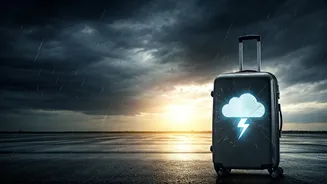
The term might conjure images of Southeast Asia, but it’s become a catch-all for a uniquely modern travel dilemma. It’s the act of creating a backup vacation plan—or pivoting entirely at the last minute—in response to extreme weather events that threaten
to derail your original trip. Think of it as spontaneous, weather-enforced travel. The ‘monsoon’ isn’t literal; it’s a stand-in for any unseasonable, severe weather system, from the atmospheric rivers soaking California to the flash floods hitting Southwestern deserts or the relentless summer rains plaguing the Northeast. Instead of canceling and staying home, a growing number of savvy travelers are simply shifting their destination, swapping a washed-out beach trip for a vibrant city exploration or a dangerously hot hiking adventure for a cool mountain-town retreat.
The New Weather Reality for Travelers
This trend isn’t born from wanderlust alone; it’s a direct reaction to our increasingly unpredictable climate. Weather patterns are no longer as reliable as they once were. The ‘dry season’ in a destination might be interrupted by record rainfall. A typically mild summer region could face a scorching, dangerous heat dome. Travel experts and insurance companies are noting a rise in weather-related disruptions, forcing a mindset shift. The days of booking a trip six months out with ironclad certainty are fading. Today’s traveler is learning that flexibility isn't just a preference, it's a necessity. The goal is no longer just to reach a specific destination but to guarantee a good vacation, even if it’s not the one you initially planned.
How to Master the Art of the Pivot
A successful Plan B requires more than just wishful thinking. It involves a bit of prep work. First, travel insurance is non-negotiable, but not all policies are created equal. Standard policies often don’t cover changing your mind due to a bad forecast. Look for ‘Cancel For Any Reason’ (CFAR) coverage. It’s more expensive, but it provides the ultimate flexibility, often refunding a significant portion of your prepaid costs if you decide the trip isn’t worth it. Second, build a ‘shadow itinerary’ when you first start planning. As you research your dream trip to Zion National Park, for example, also look into a compelling alternative, like exploring the museums and culture of a city like Chicago or Denver. This way, if a heatwave or flood warning appears, you’ve already done the mental work and can pivot quickly without the stress of starting from scratch.
Smart Swaps: Your Plan B Destination Guide
Instead of thinking of specific places, think in categories. This makes it easier to swap one experience for a comparable (but weather-safe) one.
* **If your beach trip is a washout:** Don't just look for another beach. Pivot to a ‘great indoors’ trip. Target a city known for world-class museums, theater, and restaurants. Think a weekend in Washington, D.C., exploring the Smithsonian, or a culinary tour through Philadelphia. You still get a change of scenery and a sense of escape, just without the sand.
* **If your national park hike is too hot or flooded:** Swap the epic landscape for a charming small town in a more temperate region. Instead of facing 110°F heat in the desert, consider the wineries and farm-to-table restaurants of New York’s Finger Lakes or the breezy coastal towns of Maine or Oregon. The goal is relaxation and exploration, which can be found in many settings.
* **If your international trip feels uncertain:** Look for a domestic destination that offers a similar vibe. Craving European history and architecture? Consider Boston's Freedom Trail, the historic streets of Savannah, or the French Quarter of New Orleans. You get the cultural immersion with far less logistical risk.
Embrace a More Flexible Travel Mindset
Ultimately, Monsoon Plan B travel is about a philosophical shift. It’s about detaching from a single, perfect vision of a vacation and embracing the adventure of the unknown. Some of the most memorable trips are the ones that don’t go according to plan. By having a backup, you empower yourself to take control back from the weather. You’re not a victim of a ruined vacation; you’re an adventurer who made a smart pivot. This mindset reduces stress and can lead you to discover places you never would have considered, creating richer and more varied travel memories in the process.