







The Scotland of India
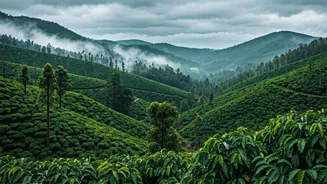
Nestled in the rolling hills of the Western Ghats in southern Karnataka, the region of Kodagu, affectionately known as Coorg, has long been called “The Scotland of India.” While the comparison evokes images of misty highlands and verdant landscapes, Coorg is a world
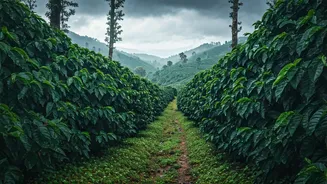
entirely its own. This isn't a land of chilly lochs and rugged moors, but of dense tropical forests, sprawling coffee plantations, and spice gardens fragrant with pepper, cardamom, and vanilla. The landscape is a dramatic tapestry of steep hills and deep valleys, carved by rivers and punctuated by cascading waterfalls. For much of the year, it’s a popular getaway for those seeking a cool respite from the Indian plains, but its true character emerges when the clouds gather.
When the Heavens Open
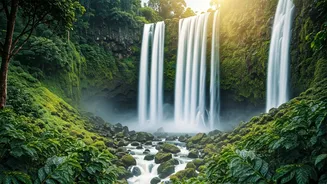
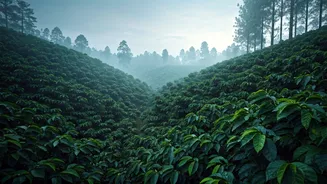
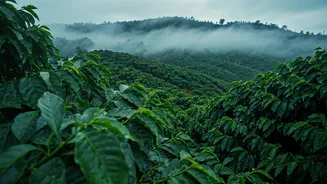
From June to September, the southwest monsoon rolls in from the Arabian Sea, drenching Coorg in a life-giving deluge. This is not the gentle pitter-patter of a spring shower; it’s a powerful, theatrical downpour that can last for days. Far from being a reason to stay away, the monsoon is the architect of Coorg’s magic. The rain transforms the entire region. Dust-brown hillsides erupt into a shocking, brilliant green. Waterfalls that were mere trickles in the dry season, like the famous Abbey and Iruppu Falls, become thundering torrents, their roar echoing through the valleys. A perpetual mist clings to the hilltops and weaves through the coffee estates, creating an ethereal, almost dreamlike atmosphere. The world feels washed clean, colours become more saturated, and the air itself feels heavy with moisture and life.
A Symphony for the Senses
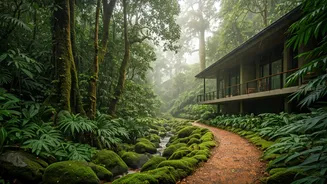
A trip to Coorg during the monsoon is an immersive sensory experience. The dominant scent is petrichor—the rich, earthy smell of rain hitting dry soil—mingled with the sweet, floral notes of coffee blossoms and the sharp aroma of wet pepper vines. The soundtrack is a constant, soothing rhythm of raindrops on tin roofs, the rush of overflowing streams, and the distant thunder of a waterfall. Visually, it’s a feast of green in every conceivable shade, from the dark, glossy leaves of coffee plants to the bright emerald of new grass. It’s a place that encourages you to slow down. The main attraction isn’t a monument or a museum; it’s the simple act of sitting on a covered veranda, a cup of freshly brewed coffee in hand, watching the rain dance across the landscape.
Embracing the Downpour
While the heavy rains can limit some activities, they open the door to others. This isn’t the time for long, sun-baked treks, but short, invigorating walks between showers are spectacular. The trails are muddy, the air is cool, and the foliage is alive with the sounds of insects and birds seeking shelter. Small, seasonal streams appear everywhere, crisscrossing paths and adding to the adventure. Driving through the winding ghat roads, with curtains of rain on one side and misty valleys on the other, is an experience in itself. Many resorts and homestays are designed to maximize the monsoon experience, with large windows and cozy fireplaces that offer a perfect sanctuary from which to observe the raw beauty of nature’s grand performance.
The Flavors of the Rain
The monsoon also brings its own culinary delights. The cool, damp weather creates a craving for warm, comforting foods. This is the perfect time to explore Kodava cuisine, the unique food of the local Kodava people. Think steaming bowls of akki otti (rice rotis) served with flavorful pandi curry (pork curry), or hot, crispy pakoras (fritters) enjoyed with a cup of chai. And of course, there is the coffee. Coorg is the heart of India's coffee production, and there is no greater pleasure than sipping a cup of single-origin arabica or robusta, perhaps with a hint of local spice, while listening to the storm outside. It’s a flavor that is inextricably linked to the place, the season, and the feeling of cozy contentment.