








The Agony of the 'Refresh' Button
Anyone who has applied for a U.S. visa, a green card, or even a simple passport renewal knows the feeling. You submit your application into a bureaucratic black hole, and then the waiting begins. The official government portals, like the USCIS Case Status
Online tool or the Department of State's Consular Electronic Application Center (CEAC), are functional but far from user-friendly. They provide information only when you actively seek it, requiring you to manually enter your case number again and again, day after day. This repetitive, hope-fueled cycle can create immense anxiety. Did I miss an update? Is there a problem with my case? Did the status change two minutes after I last checked? The lack of proactive communication leaves applicants feeling powerless, their travel plans and life decisions hanging in the balance based on a status page that rarely seems to change.
A New Breed of Digital Watchdog
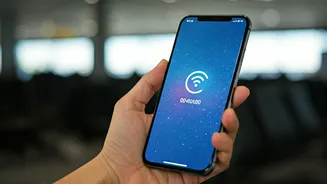
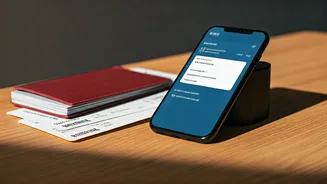
Enter the digital visa-tracker app. This growing category of smartphone applications acts as a personal, automated assistant for your immigration case. Instead of you having to neurotically check the official websites, these apps do it for you. You enter your case number once, and the app takes over, monitoring the government portal 24/7. When there is any change to your case status—any change at all—the app sends an instant push notification directly to your phone. For thousands of travelers, this simple service is a game-changer. It transforms a high-stress, manual process into a passive one. Popular apps in this space, such as Lawfully and Case Tracker for USCIS, have built loyal followings by solving this single, universal pain point. They give control back to the user, allowing them to get on with their lives without the constant fear of missing a critical update.
How Do They Actually Work?
The technology behind these apps isn't magic, but it’s clever. Most of them function as highly specialized web scrapers. They are programmed to automatically and repeatedly visit the official government status-check webpages on your behalf. Using the case number you provide, they input the data, read the resulting status page, and compare it to the last known status. If they detect any difference—from "Case Was Received" to "Interview Was Scheduled"—their server triggers a notification to your device. Because they are pulling information directly from the official source, the data is as accurate as what you would see yourself. The key difference is automation and immediacy. They are, in essence, a tireless robot hitting the refresh button so you don't have to.
More Than Just Status Updates
The best of these apps go beyond simple notifications. Many offer powerful secondary features that provide even more context and reassurance. Some analyze historical, anonymized user data to provide estimated processing timelines for specific visa types or service centers, giving you a sense of where you are in the queue. While not a guarantee, these data-driven predictions can be far more insightful than the vague timelines posted on official sites. Furthermore, many apps have built-in community features. These forums allow users with similar cases to share their timelines, ask questions, and offer support. This sense of community can be incredibly comforting, reminding you that you're not alone in the stressful waiting game. It turns a solitary ordeal into a shared journey, with data and peer experiences lighting the way.
What to Consider Before You Download
The convenience is undeniable, but it's wise to be cautious. The most critical factor is security. Reputable tracking apps should only require your public case receipt number, not sensitive personal information like your Social Security number or date of birth. Your case number is quasi-public and doesn't reveal private data on its own. However, you should always download well-reviewed, established apps from official app stores and read their privacy policies. Be wary of any app that asks for excessive information. Also, it’s crucial to remember what these apps can and cannot do. They cannot speed up your application. They cannot influence the government's decision. Their sole purpose is to provide information and peace of mind during the wait. Think of them not as a magic wand, but as a very effective stress-management tool.