


1. Layer Your Textiles
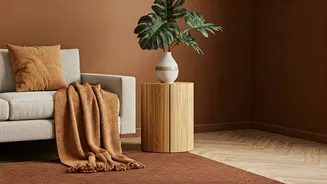
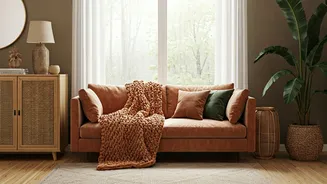
The fastest way to add warmth is by layering textures. Swap out lightweight cotton and linen throws for heavier, more substantial materials like chunky knits, faux fur, or soft wool. Drape a plush blanket over the arm of your sofa or at the foot of your bed.
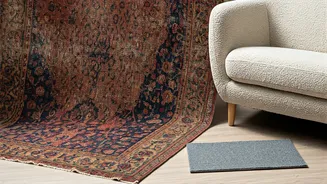
Introduce new pillow covers in rich, autumnal tones like rust, mustard, olive green, or deep burgundy. Don't forget the floors; a well-placed area rug with a thicker pile can instantly make a room feel more grounded and insulated, both visually and physically. This simple act of adding soft, touchable fabrics invites you to slow down and get comfortable.
2. Adjust Your Lighting for Ambiance
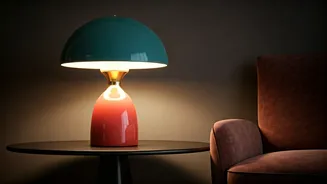
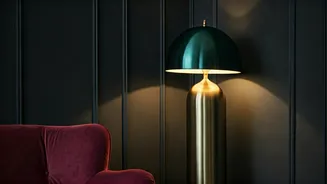
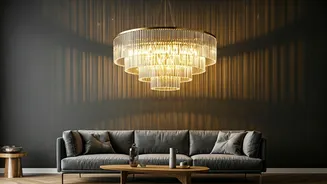
Harsh, overhead lighting can feel cold and sterile. To create a warmer atmosphere, focus on layered, ambient light sources. Turn off the big ceiling light and instead use table lamps and floor lamps to create soft pools of illumination. Choose lightbulbs with a warmer color temperature—look for labels like “soft white” or a Kelvin rating around 2700K. Incorporating dimmers is another game-changer, giving you full control over the mood. Finally, don't underestimate the power of candlelight. A few strategically placed candles, real or high-quality flameless, provide a flickering, dynamic glow that no lightbulb can replicate.
3. Introduce Seasonal Scents
Scent is a powerful, often overlooked component of home ambiance. A warm seasonal refresh should appeal to all the senses, including smell. Put away the fresh, citrusy scents of summer and embrace warmer, richer fragrances. Think spiced apple, cinnamon, sandalwood, cedar, or pumpkin. You can achieve this through scented candles, essential oil diffusers, or a simple stovetop potpourri made from simmering orange peels, cinnamon sticks, and cloves. This invisible layer of comfort makes your home feel welcoming the moment someone walks through the door.
4. Weave in Warm Accent Colors
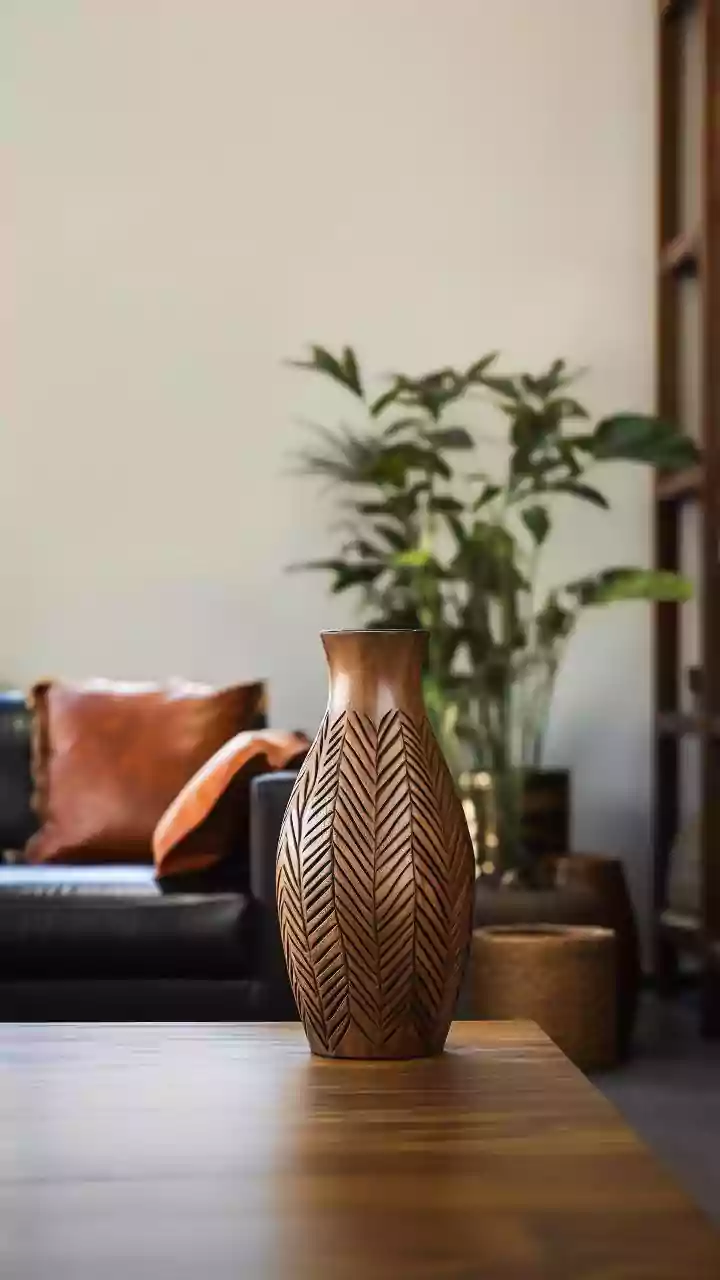
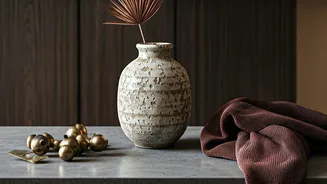
You don't need to repaint your walls to give your home a warmer color palette. Instead, introduce warm hues through accent pieces. This could be as simple as a new vase, a piece of artwork, or even a stack of books with spines in coordinating shades. Burnt orange, terracotta, deep red, and chocolate brown can be incorporated through decorative objects, placemats on your dining table, or a new set of dish towels in the kitchen. These small pops of color punctuate a neutral space, drawing the eye and adding a layer of visual warmth that complements the cozy textures and soft lighting.
5. Bring Natural Elements Indoors
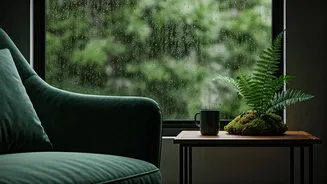
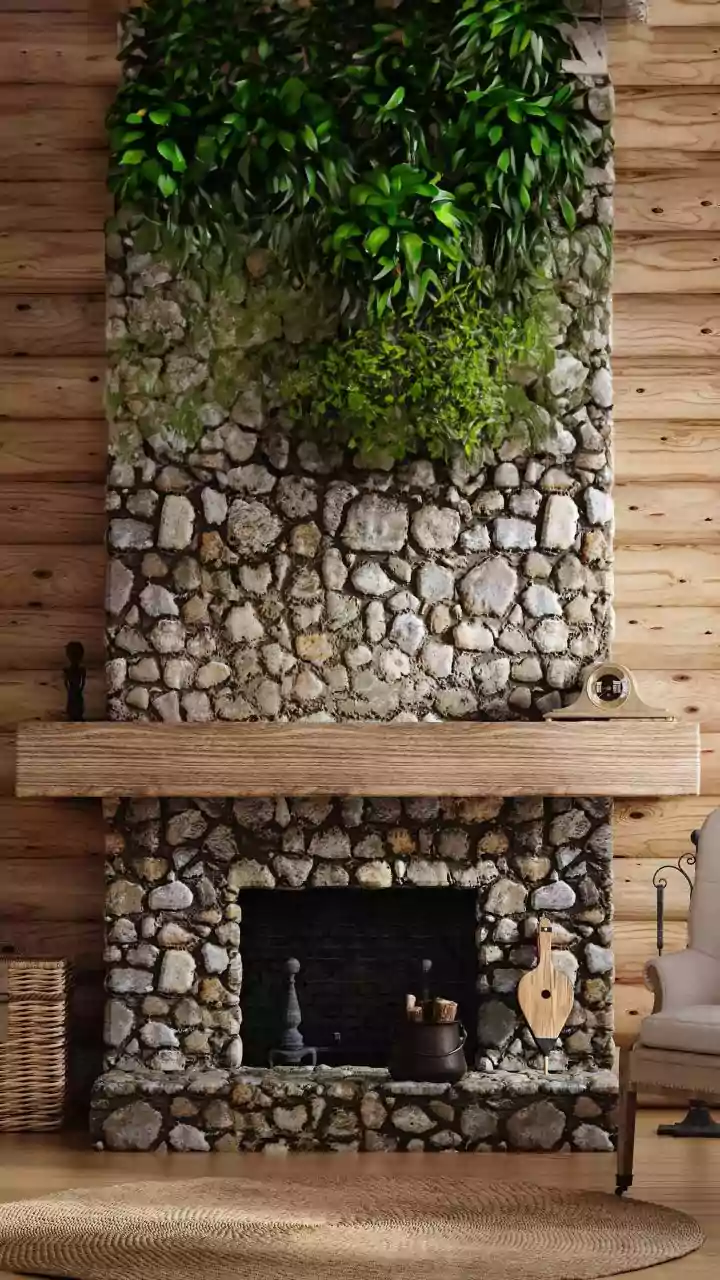
Connecting your indoor space with the season happening outside creates a harmonious feel. Collect shapely branches from your yard and arrange them in a large vase for a dramatic, sculptural statement. Fill a wooden bowl with pinecones, acorns, or small decorative gourds to create a simple, rustic centerpiece. Textures like raw wood, wicker, and stone also add an organic, earthy warmth. A new wooden cutting board displayed in the kitchen or a basket to hold blankets contributes to this natural, grounded aesthetic, reminding us of the beauty of the changing season.