
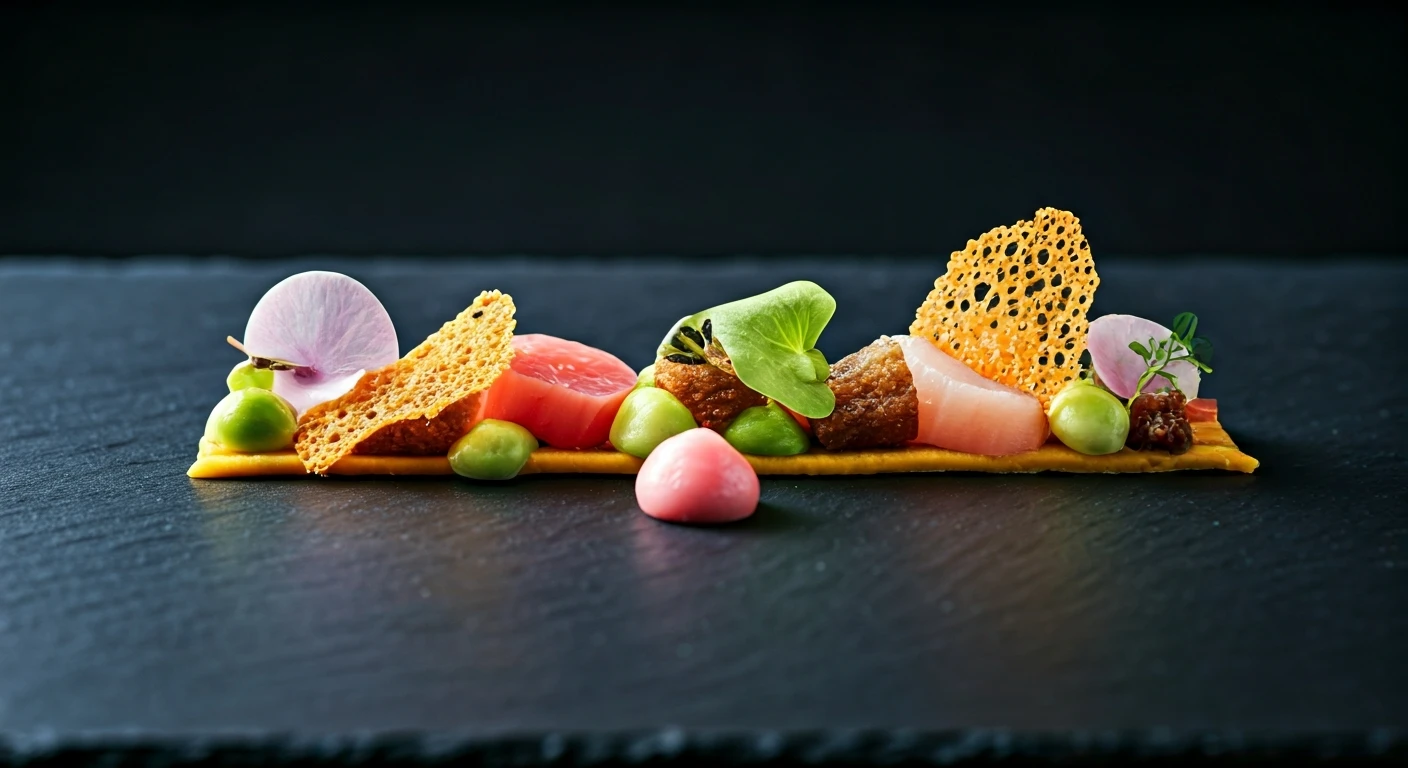
The Old Guard and the New Rules
For decades, the global perception of Indian food, even within Asia, was often limited to hearty, rustic, and communal meals—delicious, but rarely considered 'haute cuisine.' It was the dependable, flavorful option, but not the kind of food you’d find
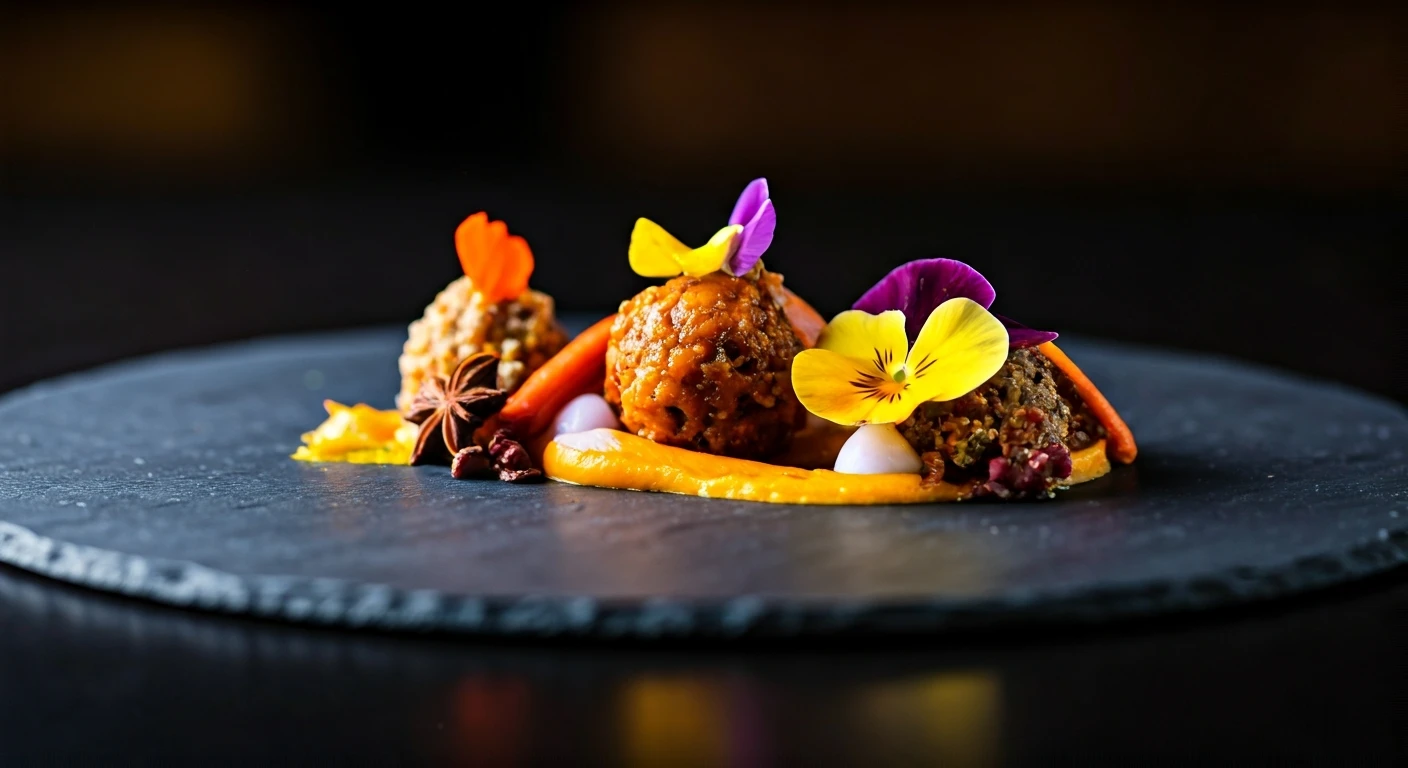
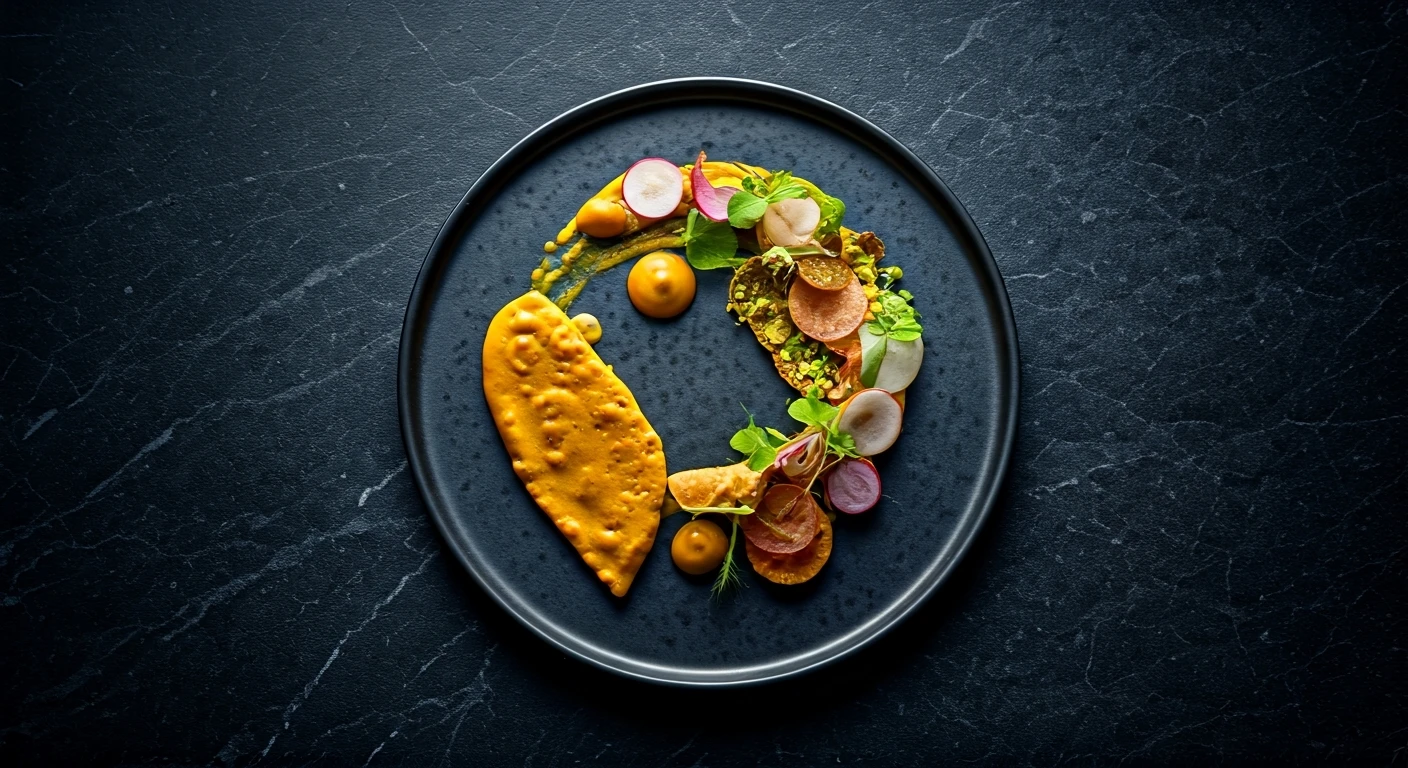
on a tasting menu in a sleek, minimalist dining room. The world’s top culinary awards, from Michelin stars to the World’s 50 Best Restaurants list, seemed to have a blind spot for the subcontinent’s diverse gastronomy. Indian kitchens were respected for their tradition, not their innovation. That script is being dramatically rewritten, not by abandoning tradition, but by interrogating it, refining it, and presenting it with cutting-edge technique and a fierce sense of identity.
The Rockstar Who Broke the Mold
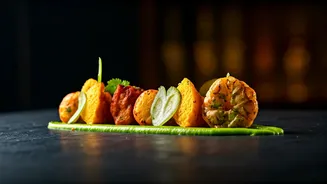
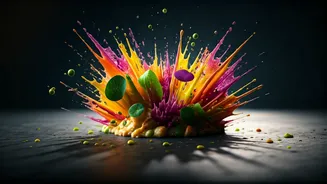
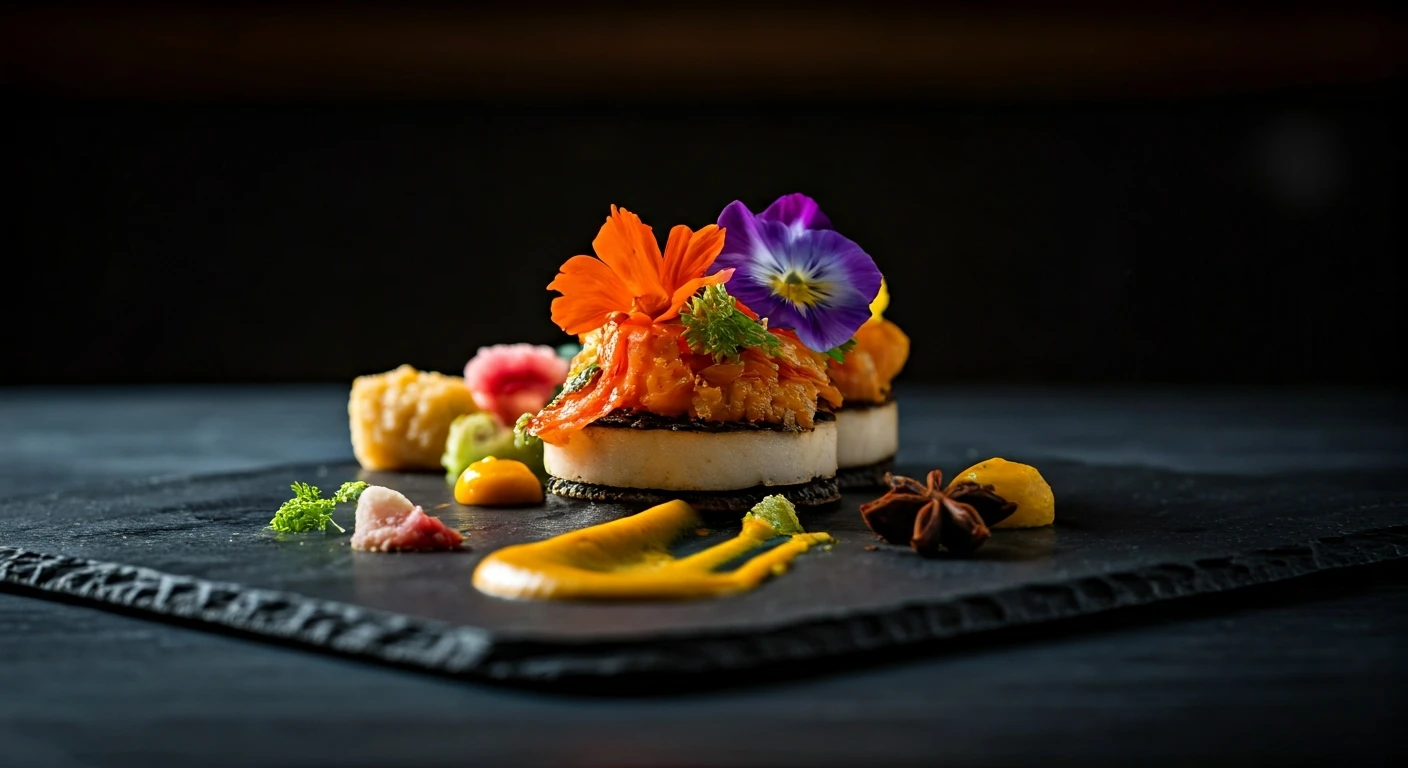
You can’t talk about this shift without mentioning Gaggan Anand. When the Kolkata-born chef opened his Bangkok restaurant, Gaggan, he did something radical: he applied the modernist, deconstructionist techniques he learned at Spain's legendary elBulli to the Indian street food he grew up with. The result was 'progressive Indian cuisine,' a multi-course spectacle featuring dishes like an explosive yogurt sphere that mimicked the street snack 'dahi puri.' His restaurant shot to the top of the Asia's 50 Best Restaurants list for four consecutive years. Anand proved that Indian flavors were not just compatible with fine dining; they could be its star. He kicked the door open, creating a space for other chefs to be unapologetically ambitious and creative.
A New Generation of Innovators
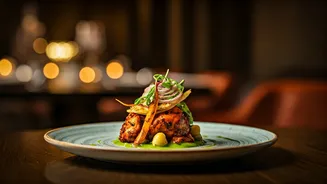
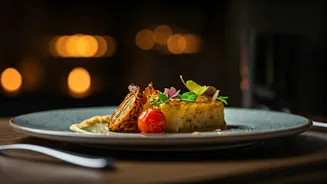
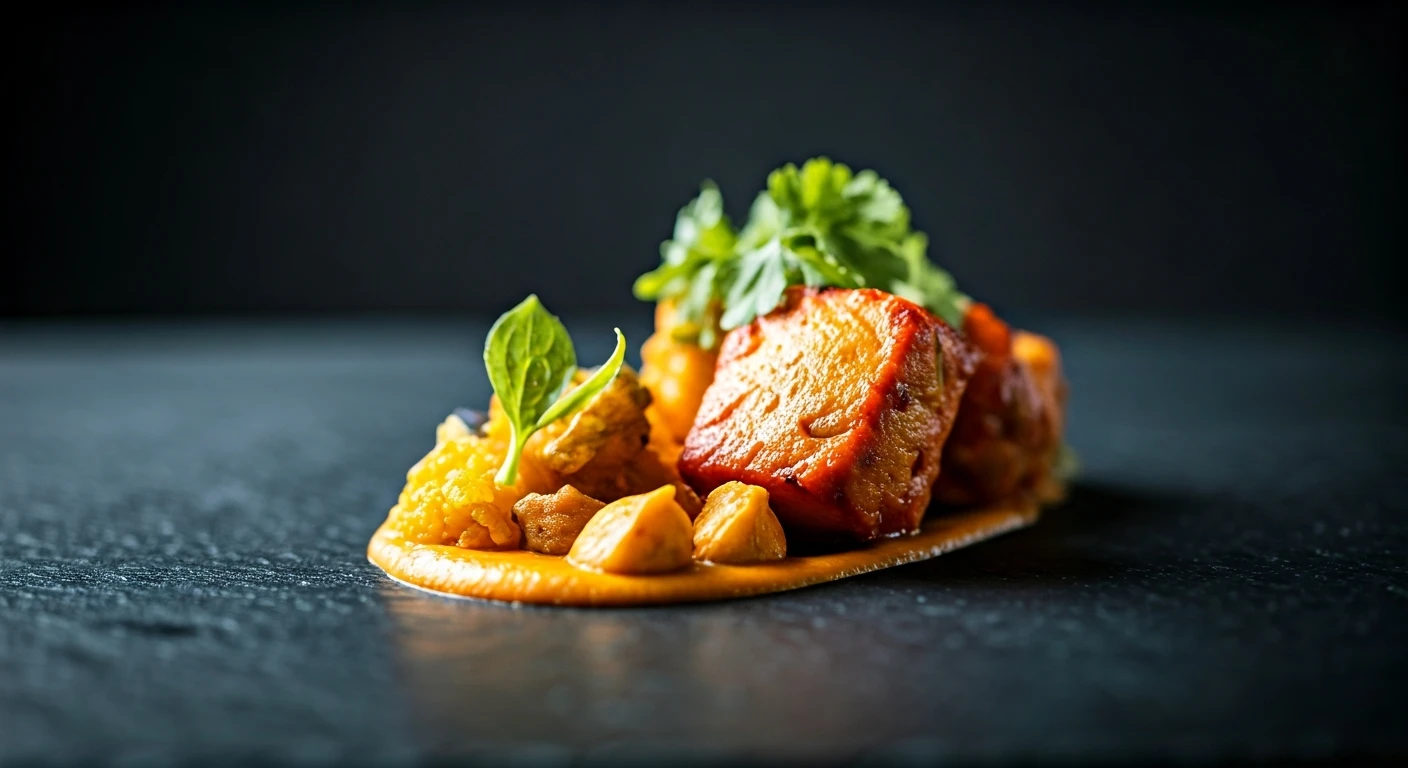
Following Gaggan's lead, a wave of talent is now making its mark. In Bangkok, Garima Arora became the first Indian woman to earn a Michelin star for her restaurant Gaa, where she explores the connections between Thai and Indian cooking. In New Delhi, Manish Mehrotra's Indian Accent (with outposts in New York and London) has been a fixture on global best-of lists for its inventive and playful takes on nostalgic Indian dishes. What unites these chefs is a deep reverence for their roots combined with a global perspective. They aren't just making 'fancy' versions of curry. They are diving deep into specific regional cuisines—from the coastal flavors of Kerala to the complex vegetarian traditions of Gujarat—and presenting them in a new light. They are artists using India’s vast culinary pantry as their palette.
Why Now? The Perfect Recipe for Recognition
Several factors are contributing to this moment. First, the influence of global food media and awards has expanded, forcing critics and diners to look beyond the established culinary capitals of Europe and Japan. The Asia's 50 Best list, in particular, has been a powerful platform for showcasing talent from across the continent. Second, there's a new generation of diners in Asia—and around the world—who are more adventurous and less bound by old hierarchies of what constitutes 'gourmet.' They're seeking authentic stories and unique flavor profiles, and these Indian chefs are delivering. Finally, the chefs themselves are a product of a more connected world, often trained in top European kitchens before returning to their own heritage with new skills and confidence. It’s a perfect storm of talent, timing, and taste.