



Beyond the Tikka Masala Monolith
For years, the Indian-American restaurant experience was built on a foundation of commercial survival. Early immigrants, mostly from Punjab, opened restaurants and tailored their menus to an American palate unfamiliar with the subcontinent’s vast culinary
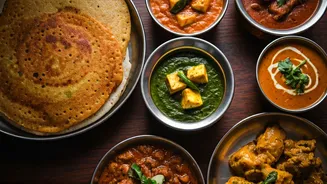
diversity. They served what sold: rich, creamy, mildly spiced curries that were comforting and approachable. Dishes like chicken tikka masala—a British invention, not an Indian one—and palak paneer became synonymous with “Indian food.” This wasn't a culinary failing; it was a success story of assimilation and entrepreneurship. These restaurants were cultural embassies, introducing millions of Americans to a simplified but delicious version of Indian cooking. The lunch buffet became an institution, a low-risk entry point for the uninitiated. But in standardizing the menu for mass appeal, a continent’s worth of nuance, regionality, and history was often left behind in the kitchen.
Chefs Reclaiming the Narrative
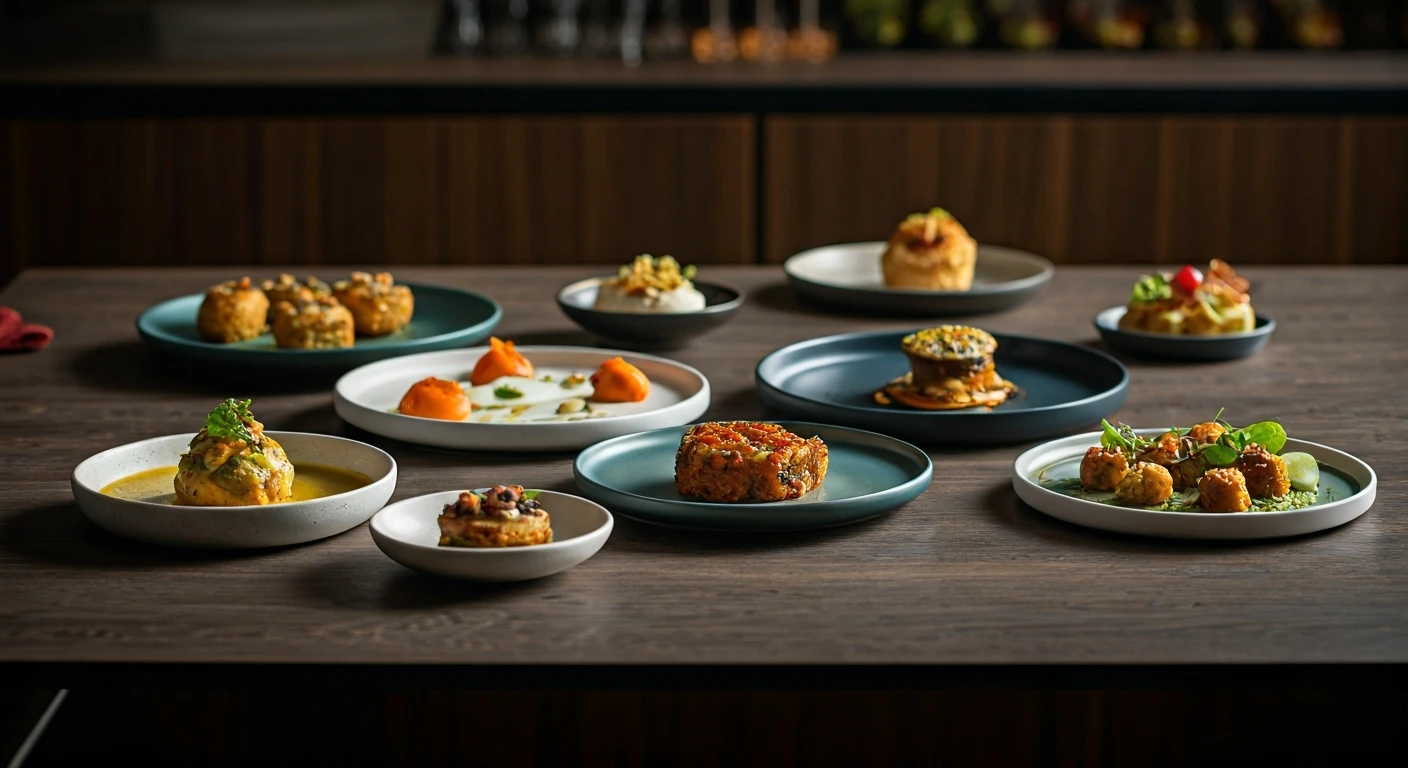
Today, a new generation of chefs is pushing back against that monolith, driven by a desire to present a more authentic, specific, and personal vision of Indian cuisine. Many are second-generation Indian Americans, or recent immigrants arriving with a different mission. They aren't just trying to survive; they are here to thrive and to tell their own stories through food.
Chefs like Chintan Pandya of New York’s Dhamaka and Semma, or Meherwan Irani of Chai Pani in Asheville, have earned national acclaim not by toning down flavors, but by turning them up. They operate with what Pandya calls “unapologetic” cooking. Instead of asking “Will Americans eat this?” they are proudly presenting the food of their childhoods, their families, and their specific regions, trusting that diners are ready for the real thing. Their success, including Michelin stars and James Beard Awards, proves they were right.
A Taste of True Terroir
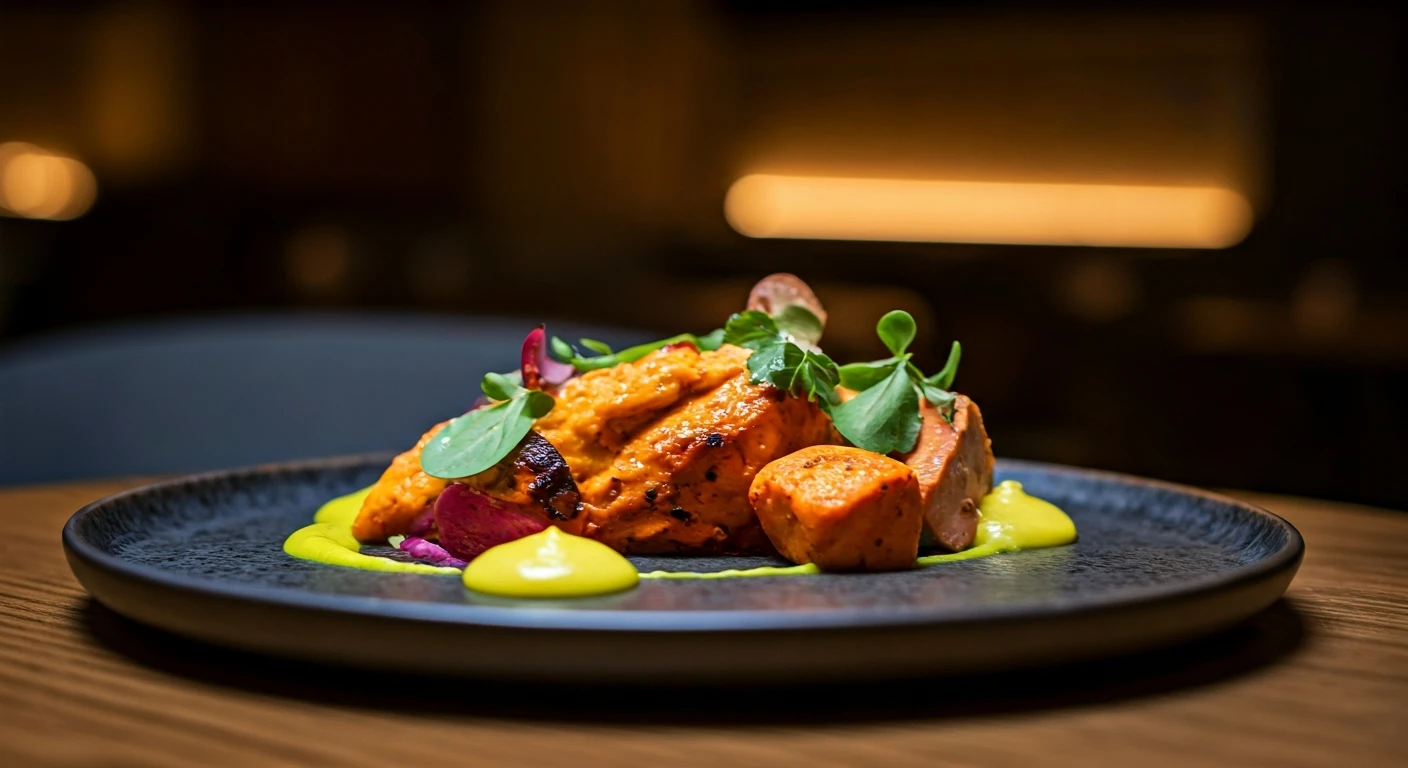
So what does this “reworking” actually taste like? It tastes like specificity. Instead of a generic “curry,” you might find a complex, peppery Chettinad dish from Tamil Nadu or a sour, fiery vindaloo made the way it is in Goa. It means moving beyond the tandoori chicken of the north to explore the seafood traditions of the Malabar Coast or the rustic, hearty cooking of rural villages.
This movement also embraces a distinctly American idea of terroir. Chefs are sourcing high-quality local ingredients—Pennsylvania lamb, California produce, Carolina rice—and applying Indian techniques to them. The result isn’t fusion in the 1990s sense, but a dynamic conversation between two cultures. You might find a dish that uses local sweet corn in a traditionally savory chaat, or a game meat preparation that honors both American hunting culture and Indian spice-roasting techniques. It’s a cuisine that is both deeply rooted in Indian tradition and firmly planted in its American home.
What to Order Now
As this trend ripples out from fine-dining hotspots to more casual eateries, it’s changing what we should look for on the menu. It’s time to be adventurous. Look past the familiar and seek out the section of the menu labeled “Chef’s Specials,” “Regional Dishes,” or even just the descriptions that seem most unfamiliar.
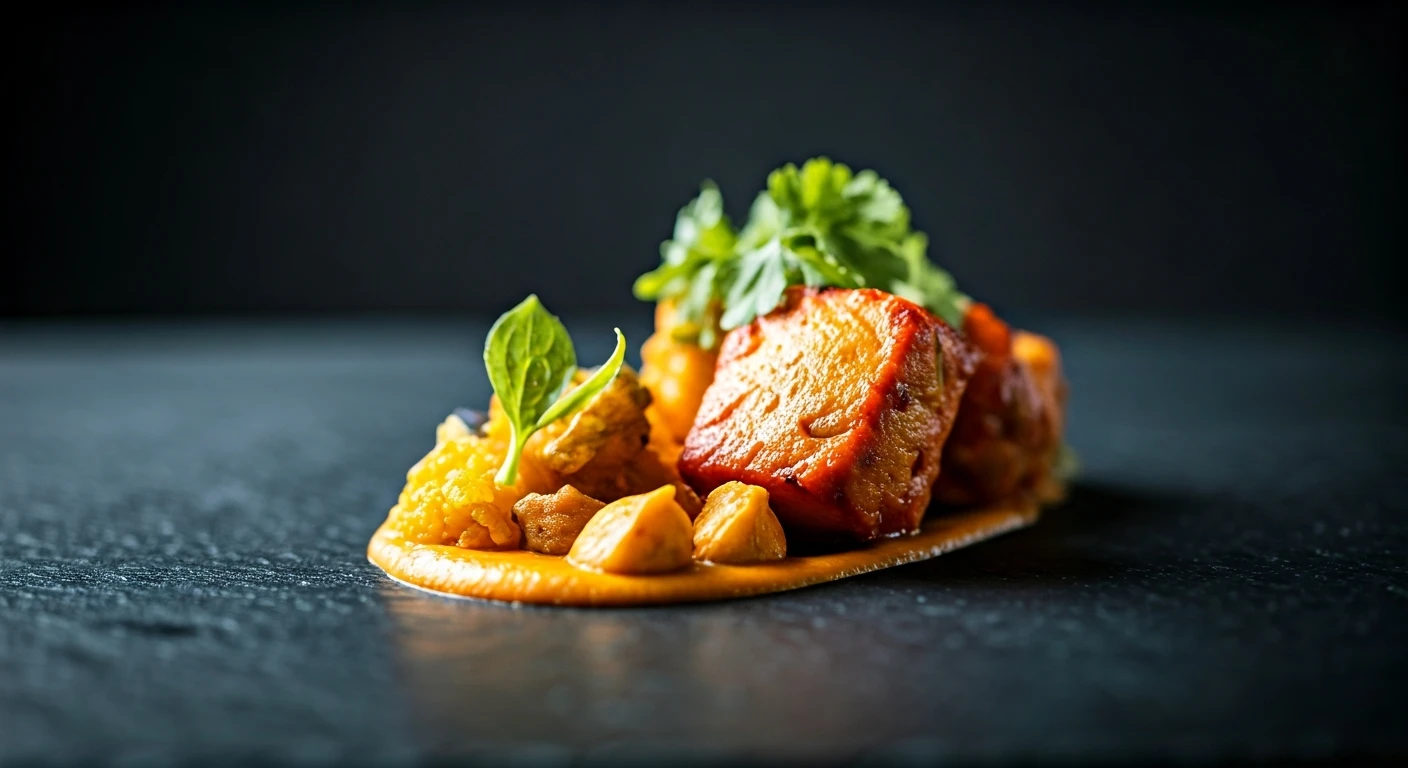
Seek out the funk of fermented batters in dosas and idlis. Try dishes that highlight sour, bitter, and pungent notes, not just sweet and spicy. Ask about the story behind a dish. You might discover a family recipe for goat brains from a small village, or a humble lentil porridge elevated to a work of art. These are the flavors that were previously confined to home kitchens, deemed “too much” for American diners. Now, they are the stars of the show, offering a richer, more complex, and ultimately more rewarding experience of what Indian food can be.