





The Spectacle of the Storm
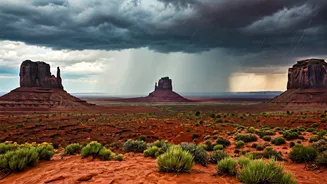
The North American Monsoon, which typically runs from mid-June to late September, is a season of dramatic meteorological beauty. It transforms the parched landscapes of Arizona, New Mexico, and surrounding states. The air, thick with the scent of creosote
and wet earth, crackles with energy. It’s easy to see why people are drawn to capture it. The contrast of a violent storm against a desert backdrop creates powerful, almost cinematic visuals. These videos often showcase towering cumulonimbus clouds, spectacular sunsets filtered through dust, and torrential downpours that seem to appear from nowhere. This awe, however, can breed a dangerous sense of complacency. While you're looking for the perfect shot, the storm is creating conditions that can turn deadly in an instant.
The Invisible Threat of Flash Floods
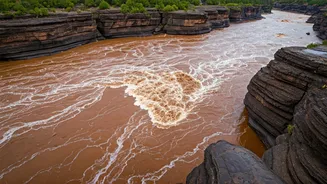
The most common and deadly risk during monsoon season is flash flooding. The arid, sun-baked ground of the desert doesn't absorb water well. Instead, a heavy downpour—even one miles away in the mountains—can send a torrent of water, mud, and debris rushing down otherwise dry riverbeds, known as washes or arroyos. These floods can appear with little to no warning. A road that was completely dry minutes before can become a raging river. The National Weather Service's mantra, "Turn Around, Don't Drown," is not an exaggeration. It takes just six inches of fast-moving water to knock an adult off their feet, and only 12 inches to sweep away a small car. Many monsoon-related fatalities involve vehicles. Never drive into a flooded wash or underpass. It's impossible to tell how deep the water is or if the road beneath has been washed away.
That Wall of Dust? It's a Haboob
Another visually stunning but perilous phenomenon is the haboob. These massive, towering walls of dust are created by intense downdrafts from a collapsing thunderstorm, which push a wave of wind and sand across the landscape at speeds of up to 60 mph. Being caught in a haboob, especially while driving, is terrifying and dangerous. Visibility can drop to zero in seconds, creating conditions for multi-car pile-ups. The fine dust can also cause serious problems for people with respiratory issues like asthma. If you see a haboob approaching while you're on the road, do not try to outrun it. The safest response, according to the Arizona Department of Transportation's "Pull Aside, Stay Alive" campaign, is to pull your vehicle as far off the road as possible, turn off all lights (including your headlights and emergency flashers), and take your foot off the brake. This prevents other drivers from following your lights and rear-ending you.
More Than Just a Light Show
The lightning that illuminates monsoon skies is one of its most captivating features, but it's also a significant threat. The Southwest is a hotspot for lightning strikes during the summer months. A bolt of lightning can carry up to 100 million volts of electricity and heat the air around it to 50,000 degrees Fahrenheit—hotter than the surface of the sun. The danger isn't confined to the heart of the storm. Lightning can strike more than 10 miles away from the parent thunderstorm, in areas where the sun is still shining. This is often called a "bolt from the blue." The rule is simple: "When thunder roars, go indoors." If you can hear thunder, you are close enough to be struck by lightning. Postpone outdoor activities and seek shelter in a sturdy, enclosed building or a hard-topped vehicle. Porches, sheds, and picnic shelters do not offer adequate protection.
Sudden and Fierce: Downbursts
While haboobs are formed by large-scale outflows, smaller, more localized downdrafts known as downbursts or microbursts pose another risk. These are sudden, concentrated columns of sinking air that hit the ground and spread out in all directions with tornado-like force. These winds can cause significant damage, snapping large tree limbs, downing power lines, and turning unsecured items like patio furniture and trampolines into dangerous projectiles. They are often responsible for localized power outages and property damage that can seem to come out of nowhere on a stormy afternoon. The best defense is to secure your property before a storm is forecast and to stay away from windows and doors during high winds.