




The Comfort and Curse of 'Curry'
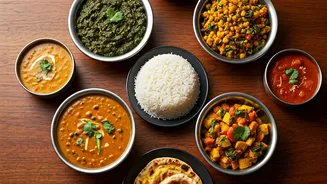
Let’s be honest. When you thought of going out for Indian food, a certain image likely came to mind. A dimly lit dining room, perhaps some sitar music, and a menu that felt like a well-worn comfort blanket. You knew you could get a creamy, tomato-based
'curry,' some tender tandoori chicken, and fluffy bread to mop it all up. There’s a reason this became the standard. The first waves of Indian restaurateurs in the U.S., mostly from the Punjab region, simplified their menus to appeal to an American palate unfamiliar with the subcontinent’s staggering diversity. They created a culinary shorthand, and 'curry' became the catch-all term for 'savory dish with sauce.' This approach was a brilliant act of economic and cultural survival. It introduced millions of Americans to a version of Indian food and built successful businesses. But in doing so, it also flattened a cuisine as diverse and complex as any in the world, creating a stereotype that has taken decades to begin to dismantle.
A Continent, Not a Country
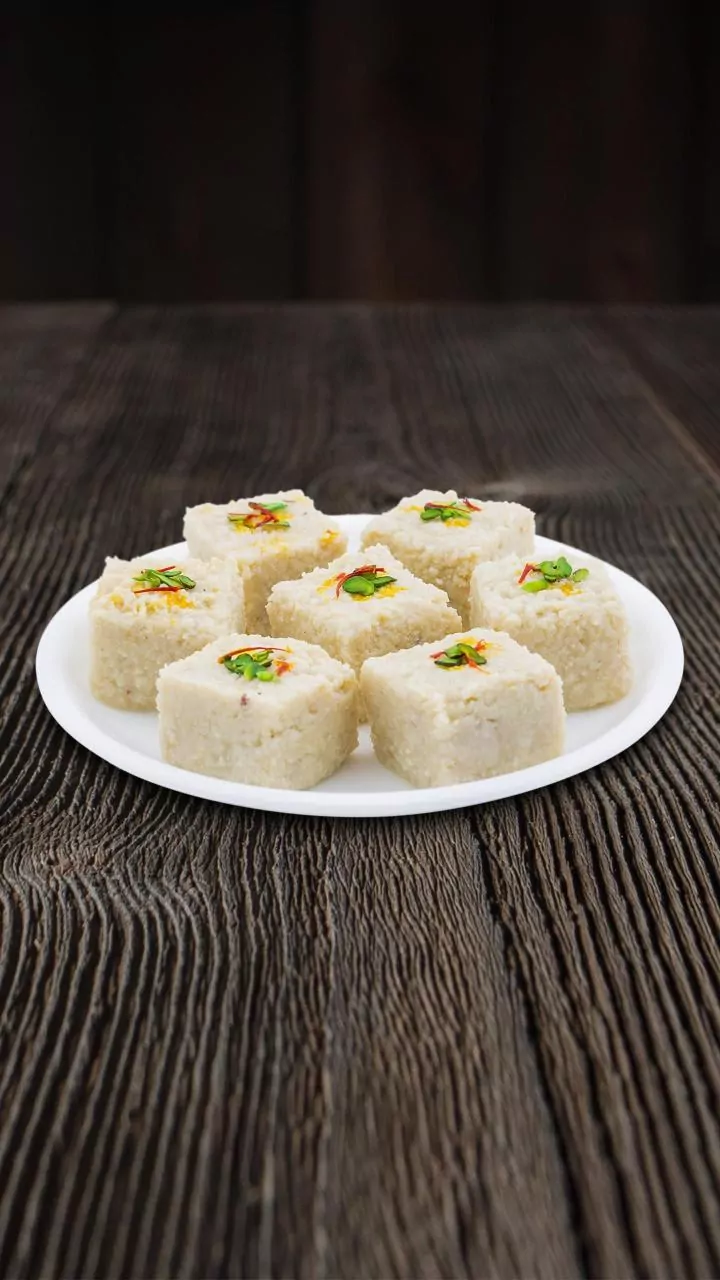
To say you’re 'eating Indian' is about as specific as saying you’re 'eating European.' Are you having Norwegian cured fish, Italian pasta, or Spanish paella? India is a subcontinent with 28 states, each with its own language, culture, and, most importantly, its own distinct culinary traditions shaped by climate, agriculture, and history. In the coastal state of Kerala, you'll find delicate, coconut-milk-laced stews (ishtoo) served with fluffy, fermented rice pancakes (appam). Travel east to Bengal, and the food shifts to pungent mustard oil, freshwater fish curries (macher jhol), and a sophisticated repertoire of sweets. In Gujarat, on the west coast, you’ll find a largely vegetarian cuisine celebrated for its complex sweet, sour, and spicy flavors, like the winter vegetable medley known as undhiyu. And in the far northeast, in states like Nagaland, the flavors are entirely different, incorporating fermented bamboo shoots, fiery ghost peppers, and smoked pork. None of these are accurately captured by the generic label of 'curry.'
The New Guard of Culinary Ambassadors
So what changed? A new generation of chefs, restaurateurs, and entrepreneurs decided it was time to tell a more personal story. Many are second-generation Indian Americans or new immigrants who are no longer content to serve a simplified version of their heritage. They have the confidence—in both their food and the American diner—to present dishes that are hyper-specific, unapologetically authentic, and deeply personal. Chefs like Niven Patel in Miami with his focus on Gujarati and Keralan food, or the team behind New York’s Dhamaka, which serves 'unapologetic Indian' food from lesser-represented regions, are leading the charge. They are not just serving food; they are conducting delicious history lessons. Social media has played a huge role, too. Diners are more adventurous than ever, seeking out unique experiences they can share online. A picture of a crispy, lacy dosa is more intriguing than yet another bowl of orange-hued tikka masala, driving curiosity and foot traffic to these more specialized restaurants.
How to Explore the Real India on Your Plate
The best part of this culinary awakening is that it’s happening everywhere, from food trucks in Austin to fine-dining establishments in San Francisco. If you want to join the revolution, it’s easy. The next time you’re craving Indian, look for restaurants that specify a region. See a place that calls itself 'South Indian,' 'Goan,' or 'Bengali'? Go in and ask the server what they’re most proud of. Instead of defaulting to naan, try a dosa (a savory crepe from the south), a parotta (a flaky, layered flatbread), or a poori (a puffy, deep-fried bread). Instead of chicken korma, look for Chettinad chicken, a peppery and aromatic dish from Tamil Nadu. Ask for a Goan fish curry, vibrant with coconut and tangy kokum fruit. Be adventurous. You’re not just ordering dinner; you’re exploring a culture one plate at a time and rewarding the very people who are making the American food scene richer and more interesting.