






The Most Sacred and Difficult Fast
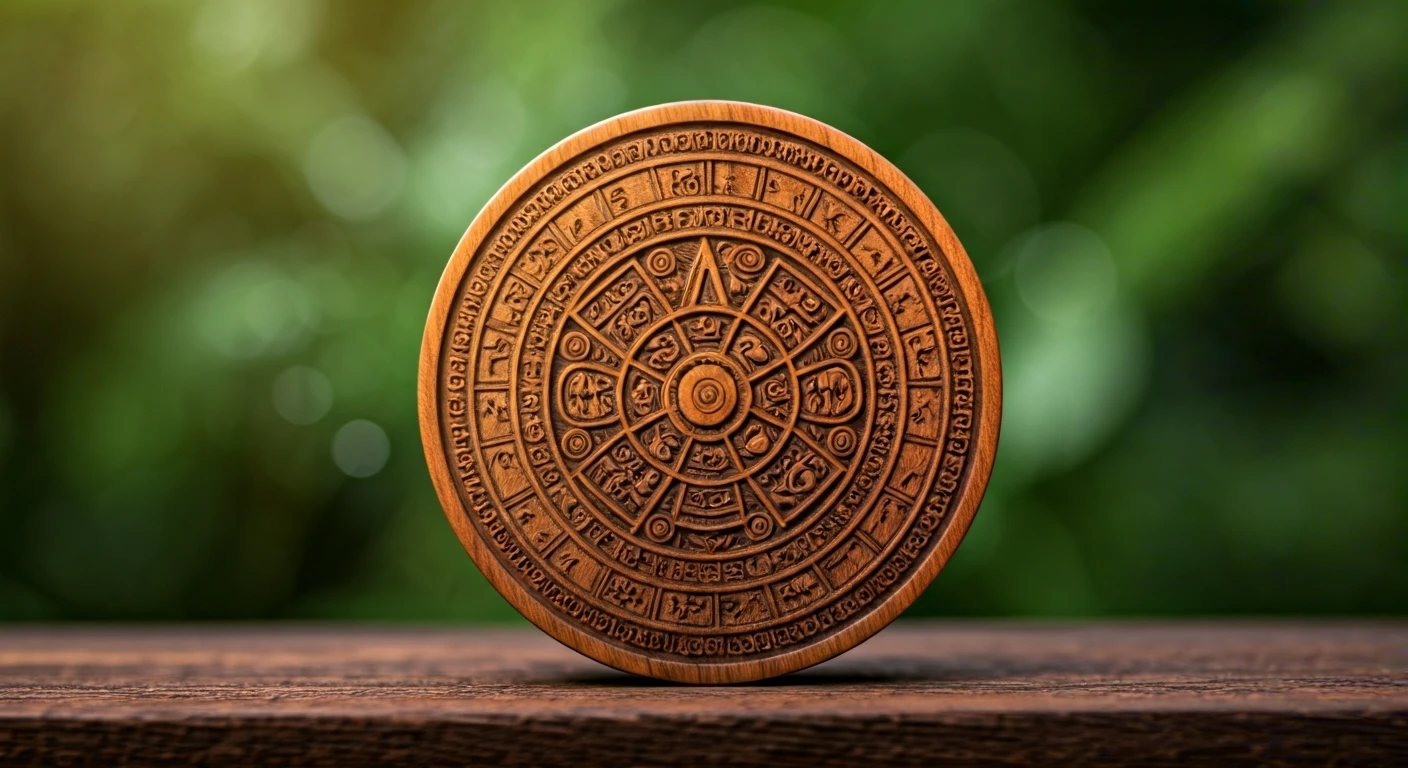
In the Hindu calendar, an 'Ekadashi' is the eleventh day of each lunar fortnight, a day considered auspicious for fasting and prayer. There are 24 such days in a year, but Pandava Nirjala Ekadashi, which typically falls in late May or June, is widely
regarded as the most challenging and spiritually potent. The Sanskrit word 'Nirjala' literally means 'without water.' Devotees abstain from all food and water from sunrise on Ekadashi day to sunrise the next day. The fast is associated with the Pandavas, the heroes of the epic Mahabharata. Legend holds that Bhima, the second Pandava brother known for his prodigious appetite, found it impossible to observe the bi-monthly fasts. As a compromise, the sage Vyasa advised him that by observing this single, difficult Nirjala fast, he could gain the spiritual merit of all 24 Ekadashi fasts combined. It’s a story of finding a path to devotion, even for the most human among us.
A Spiritual Practice, Not a Health Trend
It’s crucial to understand that Nirjala Ekadashi is a deeply spiritual act undertaken by observant individuals, often with a lifetime of practice and community support. It is not a 'detox,' a weight-loss hack, or a wellness challenge to be attempted lightly. Intentionally dehydrating the body is dangerous and can lead to serious health complications, including heatstroke, kidney problems, and seizures. This observance serves not as a prescription, but as a powerful contrast. By highlighting the extreme of a water-less day, it sharpens our focus on the simple, life-giving importance of hydration for the other 364 days of the year. It’s a lesson in appreciating a resource we often take for granted.
The Everyday Importance of H2O
So, why does your body react so strongly to a lack of water? Think of water as your body’s internal logistics and maintenance team. It’s responsible for a staggering number of critical tasks. It transports nutrients and oxygen to your cells, helps regulate your body temperature through sweat, lubricates your joints, and aids in flushing waste products from your system. Every single cell, tissue, and organ needs water to function properly. When you’re even mildly dehydrated, this entire system starts to operate less efficiently, leading to a cascade of effects that you can often feel long before you’re in any real danger.
Early Warnings Your Tank is Low
Thirst is the most obvious signal, but your body often sends more subtle clues that it’s running low on fluids. Being attuned to these can help you stay ahead of dehydration. Common early signs include fatigue or unexplained sluggishness, a nagging headache, and difficulty concentrating or feeling 'foggy.' Another reliable indicator is the color of your urine; a pale, straw-like yellow suggests you’re well-hydrated, while a darker, amber color is a clear signal that you need to drink more water. Dizziness, especially when standing up, and a dry mouth are also tell-tale signs that it’s time to rehydrate.
Smarter Hydration Strategies
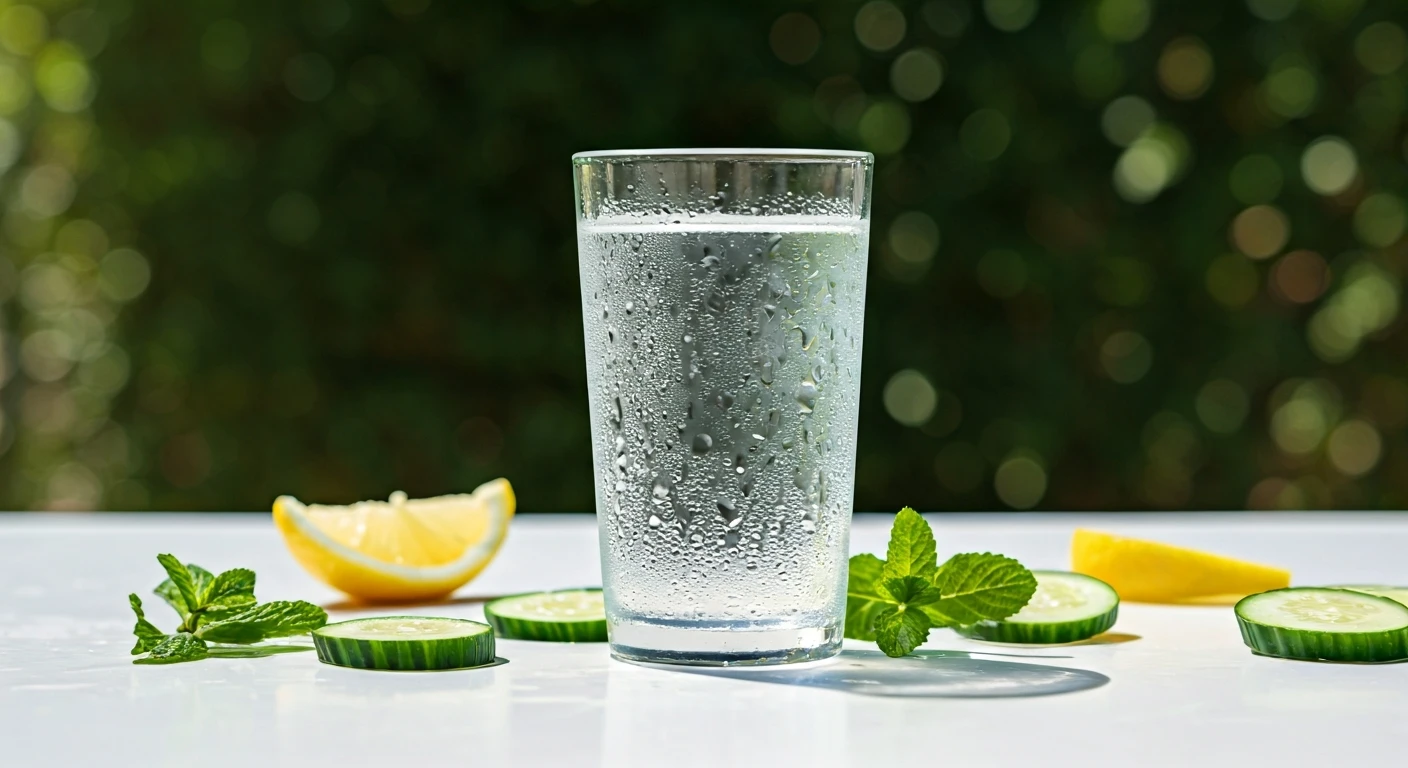
Staying hydrated doesn't have to be a chore. Instead of focusing solely on the old 'eight glasses a day' mantra, which doesn't account for individual needs, try a more holistic approach. First, eat your water. Many fruits and vegetables have high water content, such as watermelon, cucumber, strawberries, celery, and oranges. They contribute to your daily fluid intake while also providing vitamins and fiber. Second, make water more appealing. If you find plain water boring, infuse it with slices of lemon, cucumber, mint, or berries. It adds flavor without adding sugar. Finally, pace yourself. Don't wait until you're parched to chug a whole bottle. Keep a reusable water bottle handy and sip consistently throughout the day to maintain optimal fluid balance.