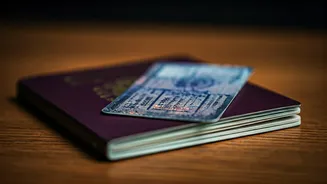







The Visa Gauntlet Explained
For Americans accustomed to traveling to many parts of the world with just a passport, the concept of a traditional visa can be a rude awakening. It’s not just a stamp; it’s a bureaucratic marathon. The process can involve multi-page online forms that
demand your entire travel history, letters of invitation, detailed daily itineraries, and proof of sufficient funds. Some countries require you to mail your physical passport to a consulate, leaving you without it for weeks. Others demand in-person interviews at embassies or consulates, which may be hundreds of miles from your home. The stress is compounded by non-refundable application fees and the unnerving possibility of rejection with no clear explanation. Countries like China and Russia are known for these rigorous requirements, making a spontaneous trip nearly impossible and turning a planned one into a part-time job.
The European Dream: The Schengen Area
For a classic, multi-country adventure, it’s hard to beat Europe’s Schengen Zone. With a single U.S. passport, you can currently access 29 countries—including France, Italy, Spain, Germany, and Greece—for up to 90 days without any pre-approved visa. This freedom allows for spontaneous train trips from Paris to Amsterdam or island hopping in the Mediterranean without a second thought about border bureaucracy. It represents the gold standard of travel freedom. It is important to note that starting in mid-2025, U.S. citizens will need to obtain an ETIAS (European Travel Information and Authorisation System) authorization online before travel. However, this is expected to be a quick, simple electronic process, far from the traditional visa hassle.
Effortless Asia: Japan & South Korea
While securing a visa for some Asian countries can be complex, others roll out the welcome mat for American tourists. Japan offers 90 days of visa-free access, allowing you to explore Tokyo's neon-lit streets, Kyoto's serene temples, and everything in between with zero paperwork. Similarly, South Korea grants U.S. citizens visa-free entry, making it easy to dive into Seoul's vibrant food and music scene or hike its beautiful national parks. This ease of access provides a powerful incentive for travelers who want a rich cultural experience in East Asia without the administrative headaches associated with neighboring giants.
Latin American Ease: From Mexico to Peru
Closer to home, Latin America is full of stunning destinations that don’t require a visa for U.S. tourists. Mexico, our southern neighbor, is famously easy to enter for tourism. Further south, countries like Costa Rica, Colombia, and Peru welcome Americans with just a valid passport, opening up worlds of rainforests, ancient ruins, and world-class cuisine. Brazil recently reinforced this trend; after briefly reinstating a visa requirement in early 2024, it once again suspended it for U.S. citizens, recognizing that ease of travel is a major driver for its tourism economy. This region proves you can find adventure just a short flight away, no consular appointment necessary.
Down Under, No Drama: Australia & New Zealand
Dreaming of the Outback or the dramatic landscapes of 'The Lord of the Rings'? Both Australia and New Zealand have streamlined their entry processes into simple online applications that take minutes to complete. For Australia, U.S. citizens need an Electronic Travel Authority (ETA), which is a quick digital application. For New Zealand, it's a similar process for a New Zealand Electronic Travel Authority (NZeTA). Both are typically approved within a day or two and are valid for multiple entries over a couple of years. This model removes the stress and uncertainty of old-school visas, replacing it with a predictable and user-friendly digital step that feels more like booking a ticket than applying for permission.