




First, Become a Light Detective
Before you can solve your light problem, you have to understand it. Most plant deaths in apartments stem from a simple mismatch between the plant’s needs and the available light. Start by assessing your space like a detective. Which direction do your windows
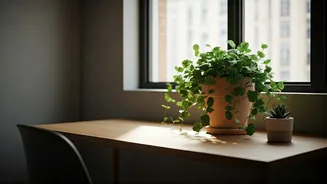
face? This is the single biggest factor in determining your natural light levels. South-facing windows provide the most intense, direct light—a plant parent’s dream. East-facing windows offer gentle morning sun, while west-facing windows get a blast of strong afternoon heat. North-facing windows provide the least light and are often the trickiest. Don’t just guess; use the compass app on your phone. For a more practical test, use your hand. On a bright day, hold your hand a foot above where you want to put a plant. A sharp, clearly defined shadow means you have bright light. A softer, fuzzier shadow indicates medium light. A faint shadow or none at all means you’re in low-light territory. This simple diagnosis is the foundation for all your future plant-parenting decisions.
The Myth of the 'Low-Light' Plant
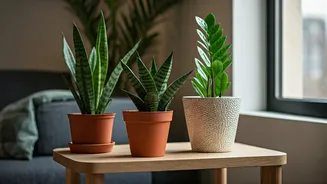
Let’s get one thing straight: “low-light tolerant” is not the same as “thrives in a dark corner.” This is one of the biggest marketing myths in the plant world. Most plants advertised as low-light options, like the popular fiddle-leaf fig or many ferns, are simply slower to die in dim conditions. They won’t flourish, they won’t grow, and they will likely develop problems over time. All plants photosynthesize; they literally eat light. Starving them is a recipe for failure. However, a few true champions can genuinely handle lower light levels without immediately giving up. The Snake Plant (Dracaena trifasciata) and the ZZ Plant (Zamioculcas zamiifolia) are the undisputed kings of low-light tolerance. They store energy efficiently and can survive in spots far from a window. The Cast Iron Plant (Aspidistra elatior) is another nearly indestructible option. When shopping, be skeptical of tags and do your own research. If you have a truly low-light spot, stick to these tried-and-true survivors.
Embrace the Artificial Sun
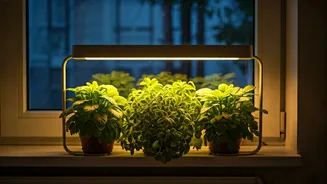
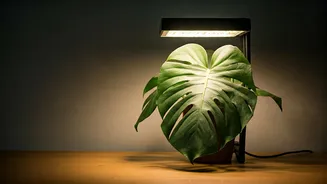
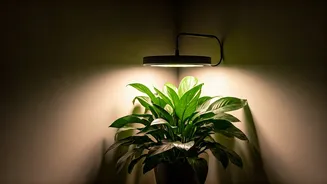
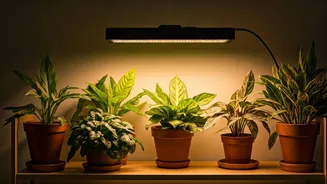
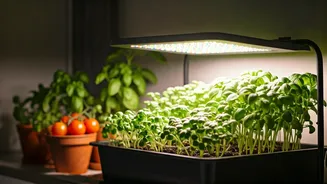
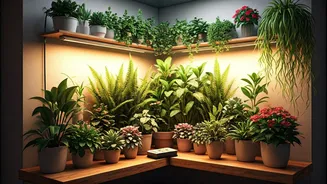
If your light audit reveals a space that’s more cave than conservatory, don’t despair. This is where technology becomes your best friend. Grow lights are the single most effective tool for an apartment plant parent, transforming dim corners into viable growing spaces. Forget the ugly, purple-hued lights of the past. Modern grow lights are stylish, energy-efficient, and designed for home use. The key is to look for full-spectrum LED bulbs. These mimic the full range of natural sunlight, providing the wavelengths plants need for healthy photosynthesis. You don’t need a complex hydroponic setup. You can simply swap the regular bulb in a desk lamp or floor lamp with a full-spectrum grow bulb. There are also sleek, minimalist light bars you can mount under shelves or clip-on lamps that can be aimed directly at a specific plant. Place the light 6-12 inches from the plant and leave it on for 12-16 hours a day. A simple wall timer can automate this process, giving your plants the consistent light they crave without any daily effort from you.
Simple Tricks to Maximize Every Photon
Beyond buying new tech, you can employ a few simple strategies to make the most of the light you have. First, keep your windows clean. A surprising amount of light is blocked by dusty or grimy glass. Make it a part of your regular cleaning routine. Second, use mirrors. A well-placed mirror opposite a window can bounce light deeper into a room, effectively doubling the brightness in that spot. Third, think white. Light-colored walls and decor reflect light, while dark colors absorb it. This can make a measurable difference in the ambient light available to your plants. Finally, rotate your plants every week or so. This ensures that all sides of the plant get some time in the sun, preventing the lopsided, stretched-out look that comes from a plant constantly reaching for a distant light source. These small habits add up, creating a healthier and more supportive environment for your indoor greenery.