



An Island Out of Time
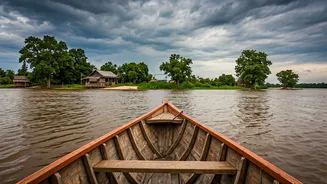
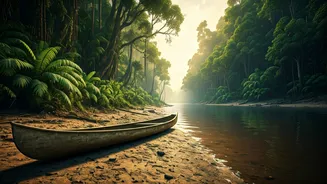
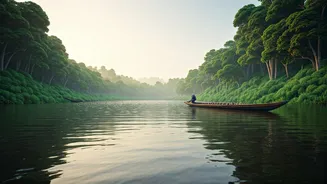
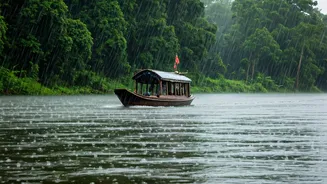
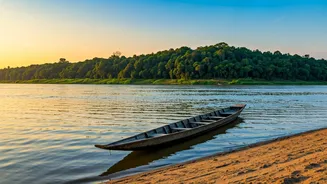
For years, Majuli has been a secret whispered among the most intrepid travelers. Located in the northeastern state of Assam, it holds the title of the world's largest river island—a landmass living in a constant, delicate dance with the powerful river that
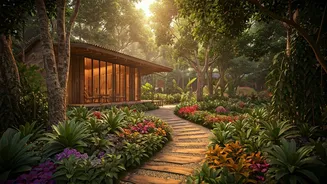
surrounds it. Life here moves at a different pace. Bicycles and motorbikes are the main modes of transport, weaving between bamboo stilt houses belonging to the Mising tribe and the island's serene, green fields. The air is clean, the sky feels enormous, and the rhythm of the day is dictated by the sun and the river, not the clock. This unique geography, both beautiful and precarious due to seasonal flooding and erosion, has created a culture steeped in resilience and spirituality, one that has existed largely outside the global tourism spotlight. Until now.
Redefining the 'Safari'
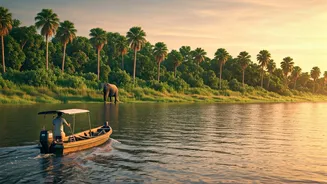
When Americans hear “safari,” they typically picture Land Rovers and African savannas. In Assam, the term has a broader, richer meaning. While a trip here often includes a visit to the nearby Kaziranga National Park—a UNESCO World Heritage site famous for its population of one-horned rhinoceroses—the real safari is the immersion into Majuli’s unique way of life. It’s a cultural safari. Travelers spend their days exploring the island's iconic *Sattras*, Vaishnavite monasteries that have served as the region's spiritual and artistic heart for over 500 years. Here, you can watch monks chant, see artisans craft intricate masks for traditional performances, and learn about a living history that feels worlds away from modern life. The safari is also about human connection: sharing a cup of tea in a local's home, learning about weaving from Mising women, or simply watching fishermen cast their nets into the Brahmaputra at sunset.
The Backpacker's New Frontier
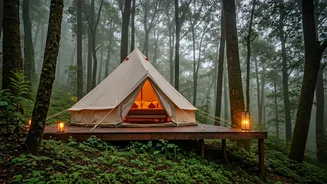
So why the sudden surge in backpackers? The trend is a perfect storm of post-pandemic travel desires. As seasoned travelers seek to escape the over-touristed circuits of Southeast Asia and Europe, they are looking for authenticity, affordability, and genuine adventure. Majuli delivers on all fronts. It represents a chance to experience an India that feels raw and unfiltered, far from the well-trodden 'Golden Triangle' route. Social media has played a role, with striking images of monastery life and misty river mornings catching the eyes of those looking for their next great story. Improved connectivity, with better roads leading to the ferry points and a growing number of simple, family-run guesthouses on the island, has made the once-daunting journey more accessible for independent travelers on a budget. It's become a key stop on the unofficial 'Northeast India Loop,' a route for those wanting to dive deeper into one of the country's most fascinating and diverse regions.
A Fragile and Precious Paradise
The newfound attention is a double-edged sword. For an island with limited economic opportunities, tourism brings welcome income. It provides a financial incentive for young people to stay and preserve their unique culture, from mask-making to traditional dance. However, the very forces that make Majuli so special—its delicate ecosystem and tranquil atmosphere—are also vulnerable. The island is facing a severe threat from erosion, shrinking year by year. An unregulated boom in tourism could strain its limited resources, disrupt the monastic way of life, and turn a place of quiet reverence into just another stop on the backpacker trail. For visitors, this adds a layer of responsibility. The growing consensus is that to visit Majuli is to do so gently, supporting local homestays, respecting cultural norms, and leaving as minimal a footprint as possible on this incredible, and incredibly fragile, landscape.