



The Tyranny of the 'Perfect' Day
Let’s be honest: the pressure to have a perfect, sun-filled vacation is exhausting. We build our itineraries around an idealized forecast, creating a frantic checklist that a single cloud can derail. This relentless pursuit of sunshine often ignores the simple
truth of modern travel: where there’s perfect weather, there are overwhelming crowds. The most sought-after destinations during peak season can feel less like a relaxing escape and more like a human traffic jam. You’re not just sharing a landmark; you’re fighting for a 10-second glimpse of it between a sea of selfie sticks. This anxiety to maximize every sunbeam turns a vacation into a high-stakes performance. Did you get the perfect photo? Did you go to the beach at the exact right time? A rainy forecast, by contrast, shatters this illusion. It grants you permission to slow down, to abandon the checklist, and to find a different kind of perfection—one that isn't dependent on a filter or a cloudless sky.
The True Meaning of VIP
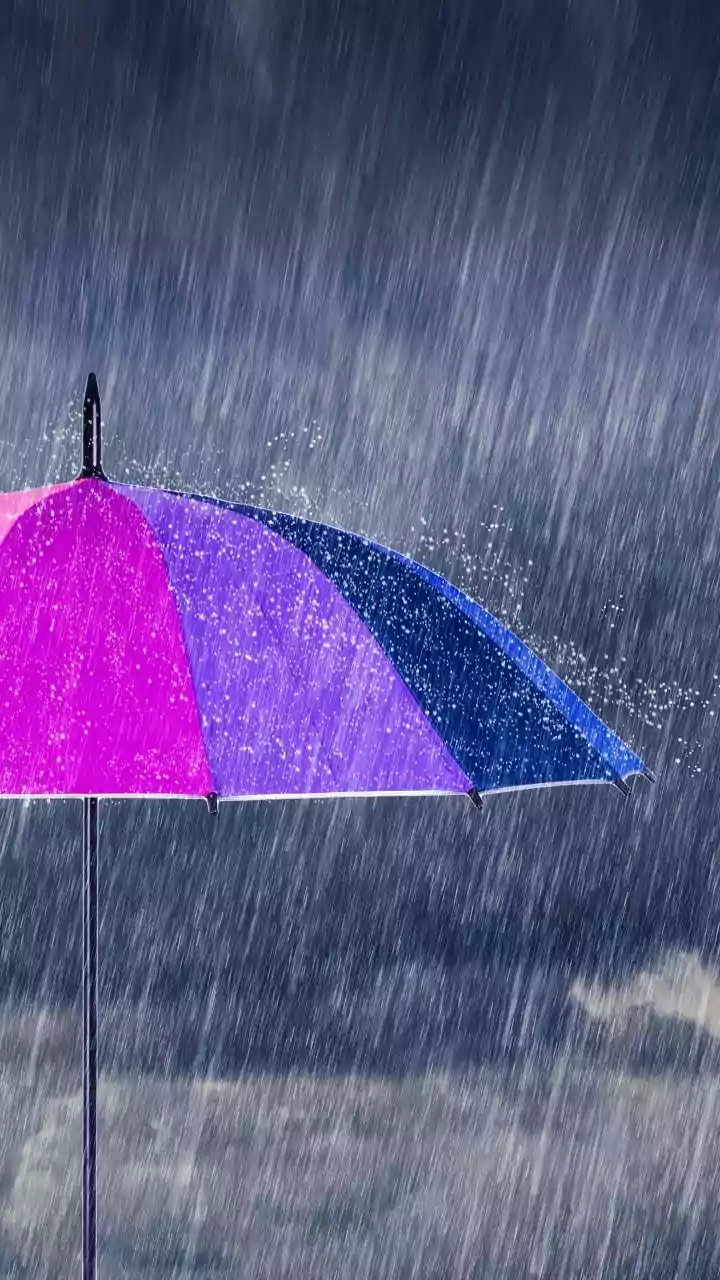
Luxury isn't always about thread counts and champagne; often, its most potent form is space. Imagine walking into a world-famous museum and being able to stand in front of a masterpiece, alone, for a full five minutes. Imagine finding a table at that legendary café without a reservation or a 45-minute wait. This is the magic of the rainy-day break. The crowds that flock to popular spots on sunny days thin out dramatically when the weather turns, creating a naturally exclusive experience. The absence of a queue is its own form of velvet rope. Suddenly, you’re not a tourist being processed through an attraction; you're a guest. Shopkeepers have more time to chat, bartenders are more willing to share a local story, and the city itself seems to breathe a collective sigh of relief. This feeling of having a place to yourself—even for a moment—is a level of access that money often can't buy, but a simple drizzle can provide for free.
Finding Shelter and Soul
A sunny day pulls you outward, scattering your attention across a dozen potential activities. A rainy day does the opposite: it pulls you inward. It encourages—and sometimes forces—you to engage with a place on a deeper, more intimate level. You’re no longer just seeing the sights; you’re seeking shelter, and in doing so, you discover the city’s true character. This is when you find the cozy, wood-paneled pub that locals have cherished for generations. It’s when you decide to spend three hours in a single gallery of a museum instead of sprinting through the entire building. The rain encourages long, unhurried meals, conversations that linger over a second cup of coffee, and the simple pleasure of reading a book in a dry, warm corner while the world outside is washed clean. These aren't the experiences that make for a flashy Instagram story, but they are often the ones that form our most profound and lasting travel memories.
Smarter Travel, Not Weather Roulette
Embracing a potentially rainy trip isn't just a romantic notion; it’s a strategic one. Traveling during the “shoulder seasons”—the periods just before and after peak season—often means contending with less predictable weather. But the trade-off is immense. Flights and accommodations are frequently cheaper, and top-tier hotels and restaurants have better availability. By decoupling your travel plans from the guarantee of sunshine, you give yourself a competitive advantage. You’re no longer competing with every other traveler chasing the same handful of perfect weeks. This approach isn't about loving the rain itself; it’s about what the rain represents: a break from the herd. It’s a conscious choice to prioritize authenticity over predictability and to trade the guarantee of a tan for the possibility of a truly memorable, uncrowded adventure.