


The Checklist Burnout
Let’s be honest about the modern vacation. For many of us, it has become a form of work. It starts with weeks of obsessive research, scrolling through infinite reviews and perfectly filtered social media posts to assemble a 'perfect' itinerary. Once you’re
there, the pressure is on to execute the plan: hit the three essential museums before lunch, find the seven most photogenic murals, and secure a reservation at that one restaurant everyone says you *must* try. The result is often an exhausting, performative blur. You see things, but do you experience them? This phenomenon, the 'checklist burnout,' leaves many travelers feeling disconnected and unfulfilled—washed-out by the very escape that was supposed to recharge them.
A Deliciously Simple Premise
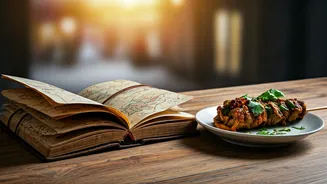
Enter the food walk. The concept is simple: a guide leads a small group through a neighborhood, stopping at several spots to taste local specialties. But to dismiss it as just a progressive dinner on foot is to miss the point entirely. A great food walk is a curated narrative. It’s a history lesson, a cultural deep-dive, and a sensory experience all rolled into one. The food isn’t just fuel; it’s the protagonist. A slice of deep-dish pizza in Chicago tells a story about post-war ingenuity and community. A beignet in New Orleans whispers tales of French colonial history. Each bite is a breadcrumb leading you deeper into the city’s true character, far away from the generic tourist traps. You’re not just eating; you’re understanding a place one taste at a time.
More Than Just a Meal
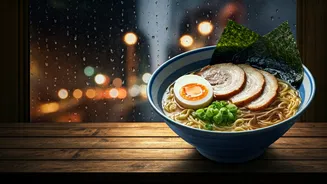
The power of the food walk as a 'trip fix' lies in how masterfully it solves the core problems of modern travel. First, it obliterates decision fatigue. The route is set, the best dishes are chosen, and the reservations (if any) are handled. Your only job is to show up hungry and curious. Second, it forces you to slow down and be present. You can't rush a conversation with a baker who has run his shop for 40 years, nor can you scroll through your phone while savoring a complex bowl of ramen. The experience is inherently mindful, grounding you in the sights, sounds, and smells of a real neighborhood. Finally, it provides genuine, low-stakes human connection—with your guide, with the shop owners and chefs, and with your fellow travelers. It replaces the isolating pressure of the solo itinerary with the simple joy of sharing a good meal.
Finding Your Flavor
This isn't some niche activity reserved for elite foodies, either. The beauty of the trend is its diversity and accessibility. You can find food walks centered on nearly any interest. In New York, you can trace the history of Jewish immigrants through the delis and bakeries of the Lower East Side. In Los Angeles, you can explore the evolution of Mexican-American culture through the taco trucks of East L.A. In Boston, you can follow the Freedom Trail while sampling clam chowder and lobster rolls, connecting historical landmarks to the food that defined them. These tours offer a framework for exploration, giving you the confidence to return to a neighborhood later and explore on your own. They aren’t just a three-hour activity; they’re an orientation to a city’s soul.