


What Exactly Is Biophilic Design?
Biophilic design is an approach to architecture and interior design that seeks to connect building occupants more closely to nature. The term comes from 'biophilia,' a hypothesis popularized by biologist E.O. Wilson, which suggests that humans possess
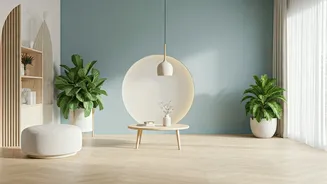
an innate tendency to seek connections with nature and other forms of life. In practice, this goes far beyond placing a ficus in the corner of your living room. It’s a holistic strategy for creating environments that echo the natural world. Think spaces that are filled with natural light, feature organic materials, and incorporate patterns and forms that mimic those found in nature. The goal is to create a multisensory experience—the sound of a small water feature, the feel of a stone countertop, the sight of greenery through a window—that grounds you in a calming, natural context, even in the heart of a bustling metropolis.
Why Your Overwhelmed Brain Craves Nature
The feeling of 'city burnout' isn't just in your head; it has physiological roots. Constant exposure to the hard surfaces, artificial light, and dense environments of urban life can keep our nervous systems in a low-grade state of alert, elevating stress hormones like cortisol. Biophilic design works by tapping into our evolutionary wiring. For millennia, our brains evolved in natural landscapes, and our senses are still finely tuned to their rhythms. Studies have shown that even brief exposure to natural elements can lower blood pressure, reduce stress, and improve cognitive function. When your home incorporates these elements, it stops being just a place to crash and becomes a restorative sanctuary. The presence of plants, natural light, and organic textures can subconsciously signal to your brain that it’s in a safe, life-sustaining environment, allowing your nervous system to relax and recharge.
Start with Direct Connections
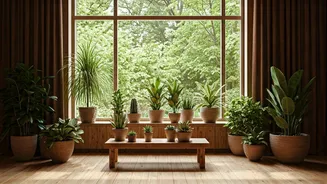
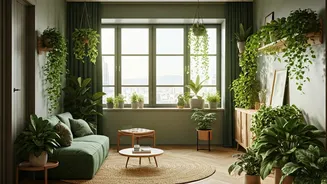
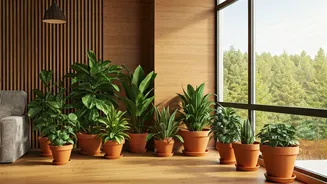
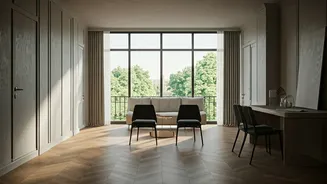
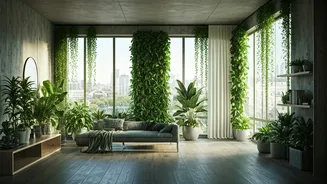
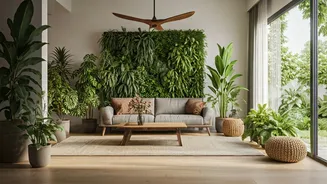
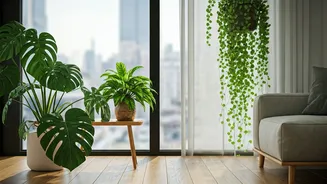
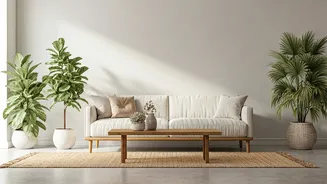
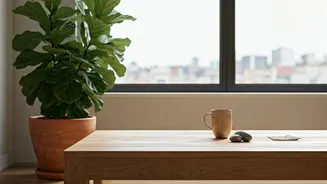
The most straightforward way to embrace biophilic design is by bringing living nature into your home. This is the 'direct' application of the principle. * **Plants, and Lots of Them:** Go beyond a single succulent. Think about creating clusters of plants of varying sizes and textures to mimic a natural landscape. A 'plant shelf' or a vertical wall garden can make a huge impact in a small apartment. * **Maximize Natural Light:** Keep windows unobstructed. Use sheer curtains instead of heavy drapes. Position mirrors to reflect light into darker corners of a room. Orient your favorite reading chair or workspace to have a view of the outdoors. * **Incorporate Water:** You don't need a massive fountain. A small, quiet tabletop water feature can introduce the soothing sound of flowing water, which helps mask city noise and promotes a sense of tranquility.
Mimic Nature with Materials and Patterns
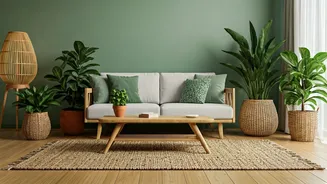
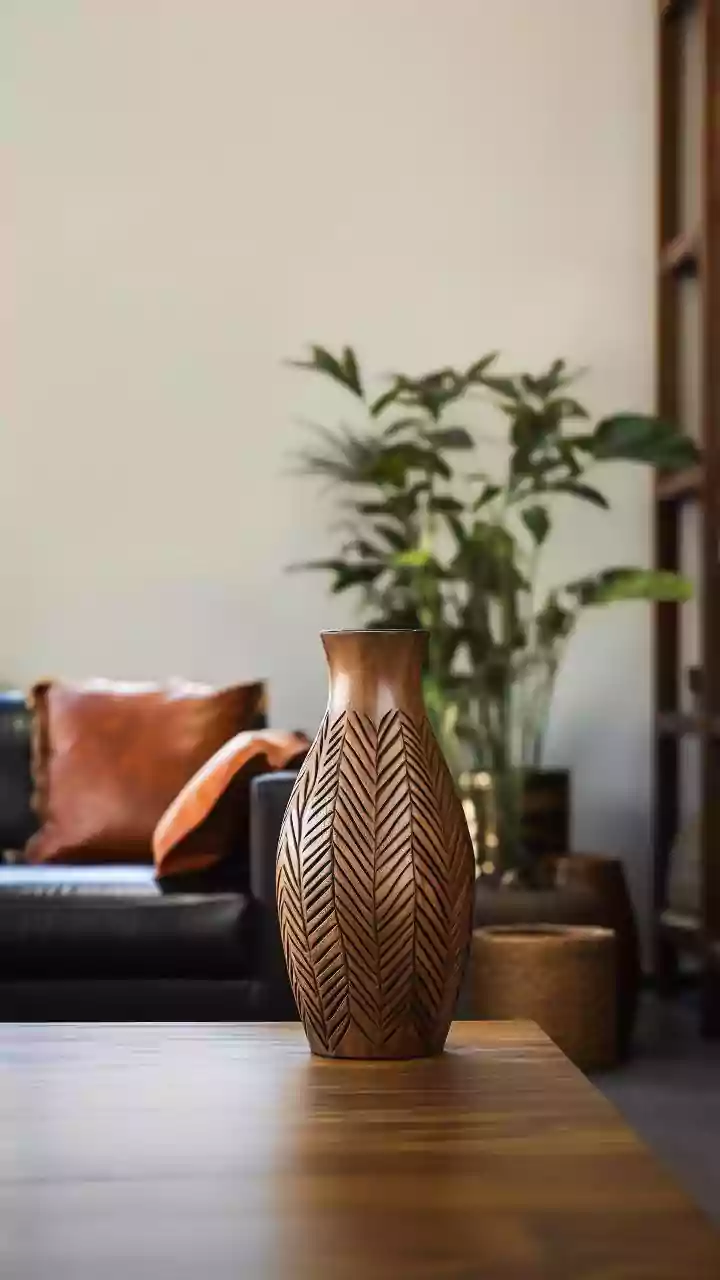
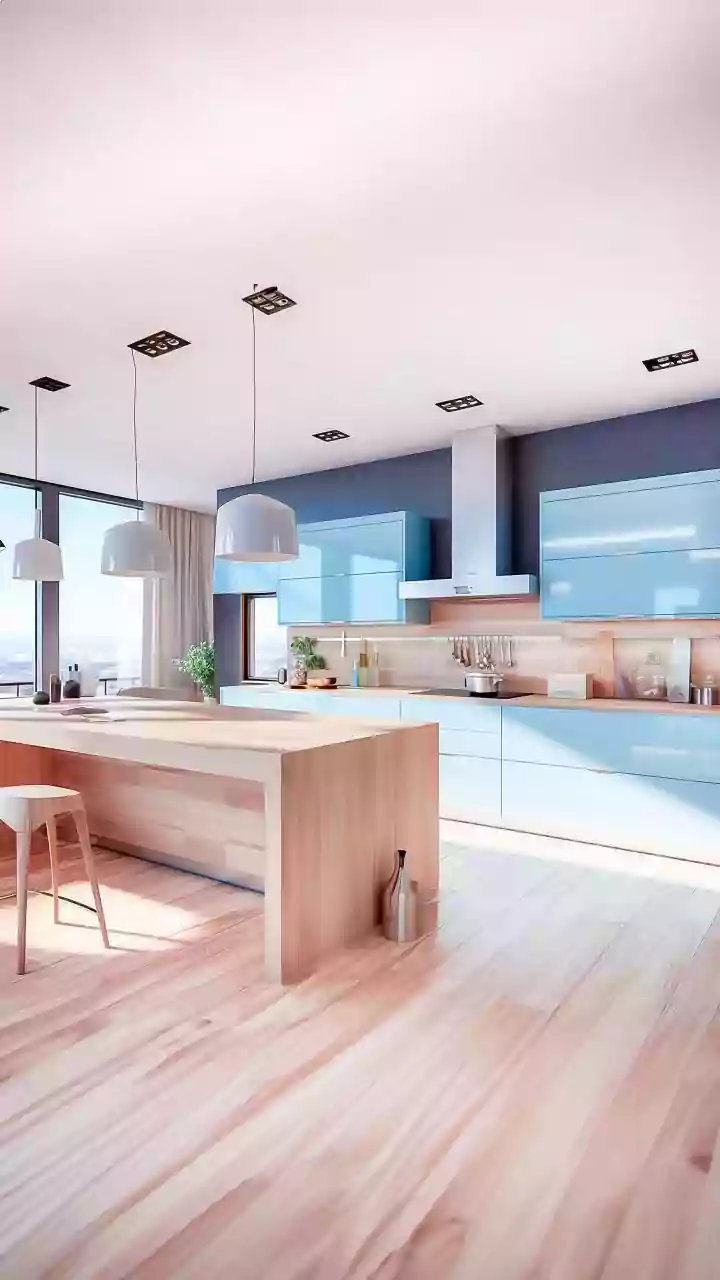
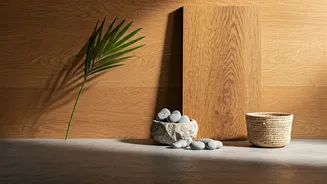
Not everyone has a green thumb, and that’s okay. The 'indirect' application of biophilic design focuses on emulating the experience of nature through materials, colors, and patterns. * **Embrace Natural Materials:** When choosing furniture or decor, opt for items made of wood, bamboo, stone, rattan, or wool. A raw-edge wooden coffee table, a jute rug, or linen bedding can instantly add warmth and an organic feel. * **Use Natural Colors:** Draw your color palette from the outdoors. Think earthy tones like terracotta and brown, leafy greens, and watery blues. These colors are inherently calming and less jarring than stark, artificial hues. * **Look for Natural Patterns:** Incorporate decor with patterns that mimic natural forms, like honeycomb shapes, leaf motifs, wood grain, or designs that resemble ripples in water. These subtle references connect your space to the outside world without being overt.
Design for Prospect and Refuge
A more advanced biophilic concept is creating spaces that offer both 'prospect' and 'refuge.' This taps into a primal need to feel safe while still having a view of our surroundings. In home design, this translates to creating cozy, protected nooks that still feel open. Think of a comfortable armchair tucked into a corner with a low-hanging lamp (refuge) that looks out over the main living area or, even better, through a window (prospect). A window seat, a canopy bed, or even a high-backed sofa can create this comforting dynamic. These spaces become personal sanctuaries where you can decompress from the day, feeling secure while still connected to the world on your own terms.