


What Exactly Is Kharchi Puja?
Every July, the city of Agartala, the capital of the small state of Tripura, transforms for the Kharchi Puja. This week-long festival is one of the most important events in the region, drawing thousands of devotees and curious travelers. At its heart,
'Kharchi' means 'cleaning,' and the puja (a ritual of worship) is about cleansing the sins of the people and praying for the well-being of the land. But this is far more than a solemn religious ceremony. It’s a vibrant, sprawling fair—or 'mela'—complete with food stalls, artisan markets, cultural performances, and an infectious, celebratory energy. It’s a place where ancient ritual meets community celebration, offering a fascinating window into the soul of Tripura.
A Royal Legacy and Ancient Gods
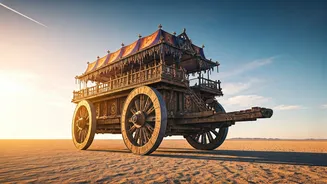
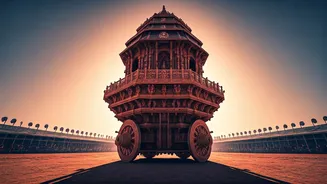
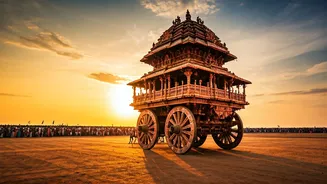
The “royal” in the festival’s description isn't just for show. The tradition is directly linked to the Manikya dynasty, the former rulers of the princely state of Tripura. For centuries, the festival was exclusively a royal affair, held within the palace grounds. Today, it has become a democratic event for all, but the royal family’s historical patronage remains a core part of its identity. The central focus of the worship is the 'Chaturdasha Devata,' or the fourteen gods. What’s unique is that these deities are represented not by full idols, but by fourteen sculpted heads. These gods are the ancestral deities of the Tripuri people, showcasing a beautiful synthesis of indigenous tribal beliefs and mainstream Hinduism that defines the region’s culture. The festival begins with the 14 heads being carried in a procession from the old palace to a temple in Old Agartala, where they are bathed in a sacred river and worshipped for seven days.
More Than a Ritual, It’s a Spectacle
While the religious ceremonies are deeply moving, it's the atmosphere surrounding them that makes Kharchi Puja a true travel magnet. The temple complex and the surrounding areas come alive with a massive fair. The air fills with the sounds of traditional music, the chatter of excited crowds, and the sizzle of street food. You can wander through stalls selling everything from intricate hand-woven textiles and bamboo crafts—local specialties of Tripura—to toys and household goods. It’s a sensory overload in the best possible way. This festival is notable for its inclusivity. Though rooted in Hindu and tribal traditions, it attracts people from every community and religion. It’s a powerful symbol of the state's syncretic culture, where everyone gathers to partake in the festivities, making it a welcoming and joyous environment for visitors.
Why It's a Worthy Detour
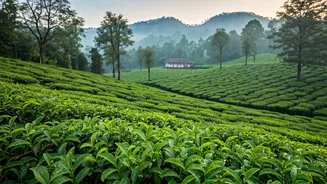
For the American traveler looking to step off the beaten path, Kharchi Puja offers an unparalleled opportunity. It’s a chance to experience a side of India that remains largely untouched by the international tourist circuit. Unlike a quick visit to a monument, attending this festival is an act of cultural immersion. You’re not just an observer; you’re part of a living, breathing tradition. It’s an opportunity to engage with local artisans, sample authentic regional cuisine you won’t find elsewhere, and witness rituals that have been performed for hundreds of years. The festival provides a perfect anchor for exploring the rest of Tripura, a state known for its lush hills, dense forests, and stunning palaces like the Ujjayanta Palace in Agartala. If you’re a traveler who values authenticity over accessibility and cultural depth over curated comfort, this July festival is a compelling reason to point your compass toward Northeast India.