


The Soul of the Original Thali
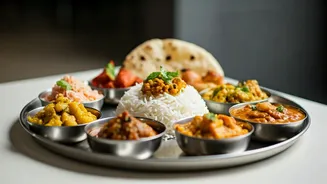
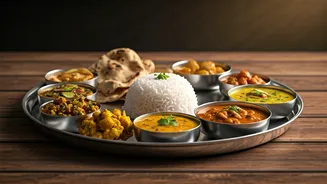
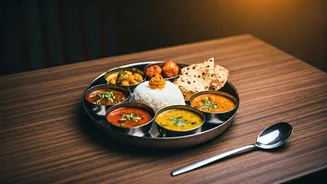
To understand the change, you first have to appreciate the original. A traditional thali isn't just a meal; it's a philosophy on a plate. Served on a round metal tray (the literal meaning of 'thali'), it presents a complete, balanced universe of flavors
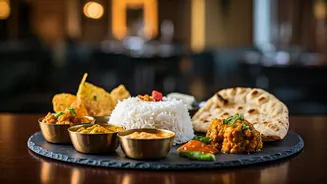
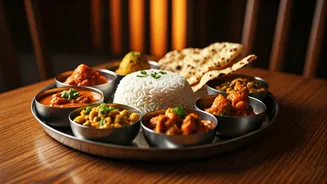
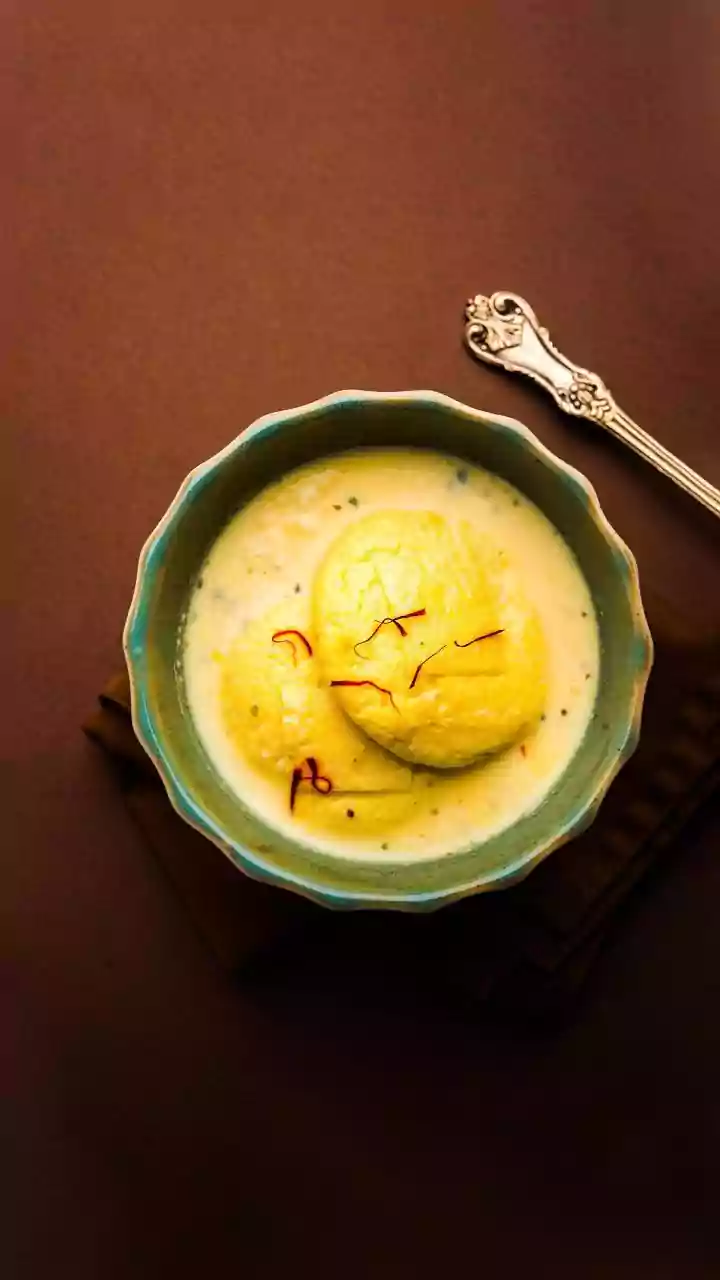
and textures. In small metal bowls called katoris, you’ll find a symphony of dishes: a dal (lentils), a couple of vegetable preparations (sabzi), a yogurt raita, a tangy pickle, a crispy papadum, and perhaps a small sweet for dessert. These are accompanied by rice and a flatbread like roti or naan. The guiding principle is Ayurvedic—a harmony of six tastes: sweet, sour, salty, bitter, pungent, and astringent. It’s a meal of abundance, a generous, communal-feeling feast designed for nourishment and satisfaction, not necessarily for a photo shoot.
Enter the Instagram-Ready Reinvention
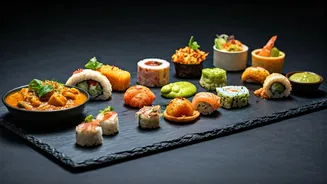
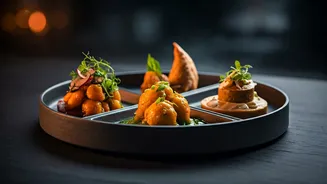
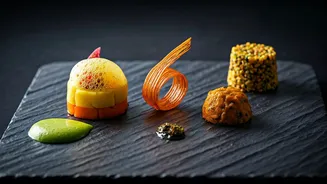
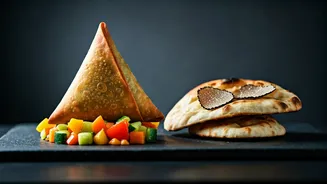
Now, picture this: Instead of a gleaming steel tray, you see a rustic slate board or an artisanal ceramic platter. The katoris are gone, replaced by tiny, distinct piles of vibrantly colored food arranged with a painter’s precision. That dal might be in a miniature copper pot. The raita is drizzled artfully across the plate. The rice is molded into a perfect dome, and the vegetables are julienned and garnished with microgreens. This is the social-media-friendly thali. Every element is deconstructed and placed deliberately, creating negative space and clean lines. The focus shifts from a kaleidoscope of blended flavors to a visually stunning composition. It’s less about a generous heap and more about a curated gallery. The colors are brighter, the textures are more defined, and the entire dish is composed for a top-down camera shot. It’s designed to make you stop scrolling and say, “I need to go there.”
From Abundance to Aesthetics
So, why the change? It’s a perfect storm of economics, technology, and evolving dining culture. For modern restaurants, especially in competitive urban markets, a dish that photographs well is free marketing. A customer’s Instagram post can reach hundreds, even thousands, of potential diners. A visually striking thali is more likely to be shared, tagged, and go viral, driving foot traffic in a way a paid ad rarely can. Furthermore, this trend reflects a broader shift in fine dining. Diners are increasingly paying for an “experience,” not just a meal. A beautifully constructed thali feels elevated, special, and worth the premium price tag that often accompanies it. It transforms a traditionally rustic, home-style meal into an event, aligning it with a global foodie culture that values presentation as much as taste.
Is Something Lost in Translation?
This evolution inevitably raises a question: does optimizing for the ‘gram come at a cost? Traditionalists might argue that something of the thali’s soul—its spirit of unpretentious, homestyle generosity—is lost. A classic thali is meant to be mixed and matched; the diner creates their own perfect bite by combining a piece of roti with some dal and a bit of pickle. A deconstructed platter can feel more prescriptive, discouraging the joyful mess of eating. However, many chefs see it differently. For them, it’s not about abandoning tradition but reinterpreting it for a new generation. They are using modern techniques and a global design language to celebrate their heritage, making it accessible and exciting for an audience that may have never tried a thali before. They are preserving the core flavors while updating the package. It's less a betrayal of the past and more a conversation between the past and the present.