

The Allure of the Convenience Trap
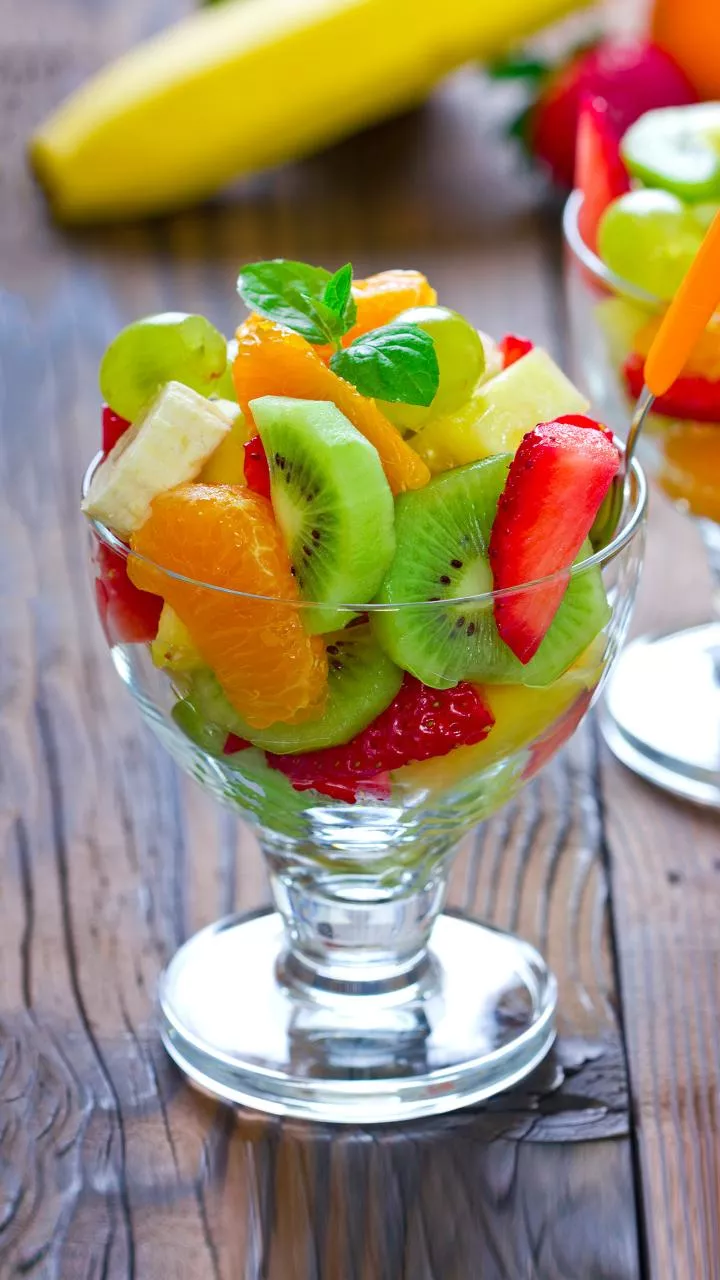
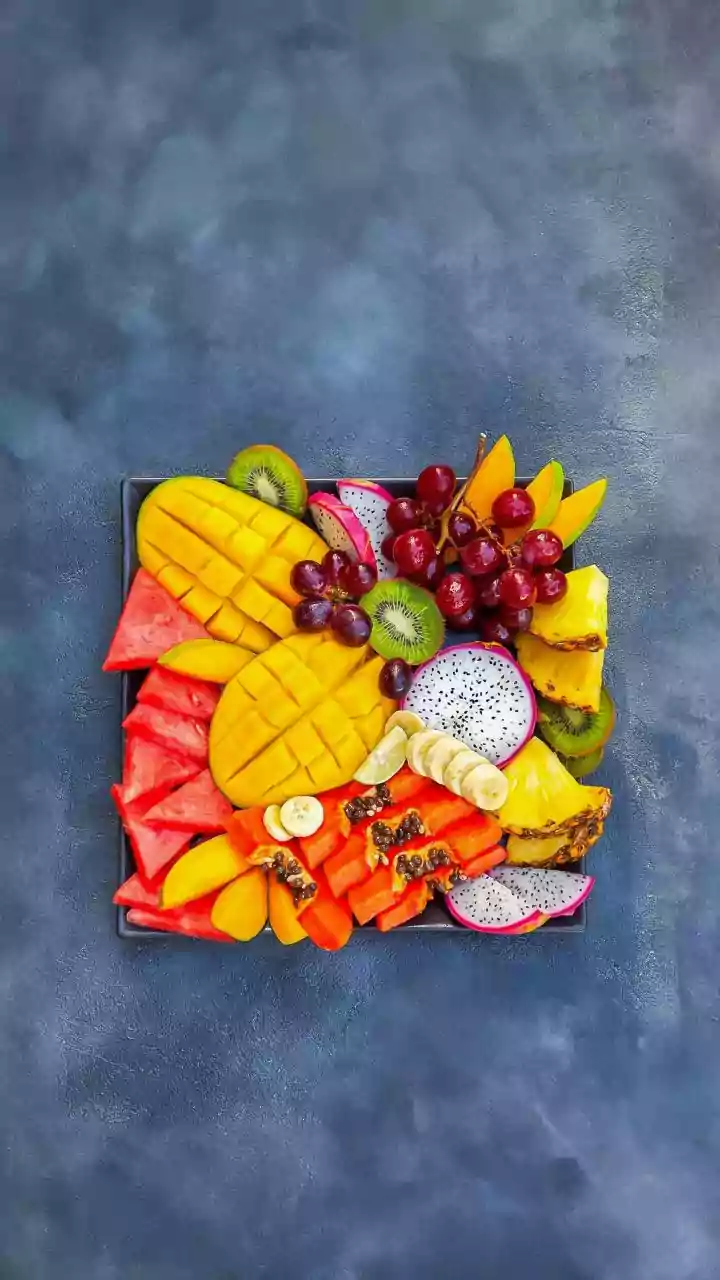
It’s a familiar scene: you’re rushing through the grocery store on a sweltering summer afternoon, planning for a picnic, a barbecue, or just a week of healthier snacking. Sitting in the refrigerated section is a colorful mosaic of pre-cut pineapple, cantaloupe,
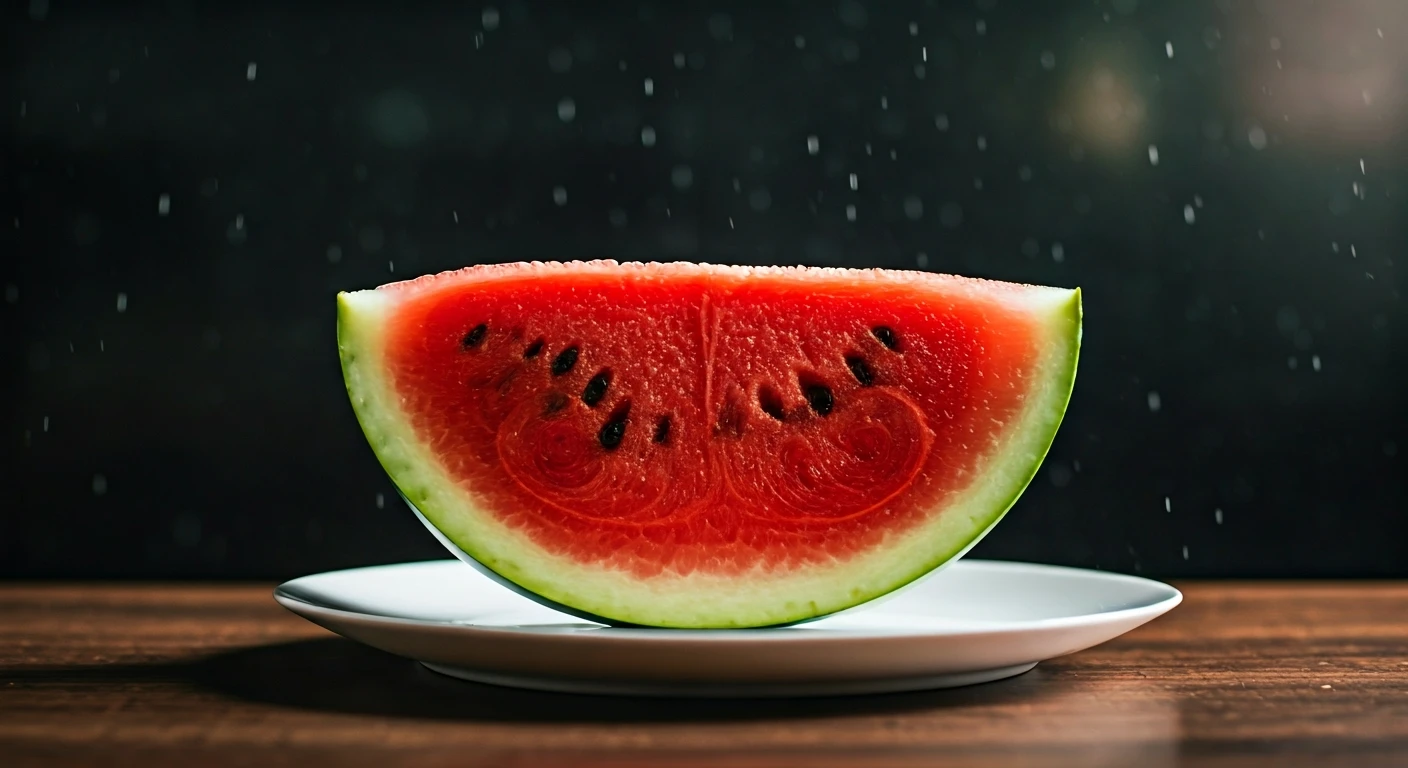
and watermelon. It’s the perfect shortcut. No wrestling with a whole melon on your counter, no sticky juice, no waste. The appeal is powerful because it saves our most precious resource: time. This convenience, however, comes at a cost that isn't listed on the price tag. While that plastic clamshell looks pristine under the store’s fluorescent lights, the journey it took to get there is far more complex—and potentially hazardous—than buying a whole, intact fruit. Every step in the pre-cutting process, from the processing plant to the store shelf, introduces a new opportunity for contamination that a fruit’s natural peel or rind is designed to prevent.
What Makes Pre-Cut Fruit Risky?
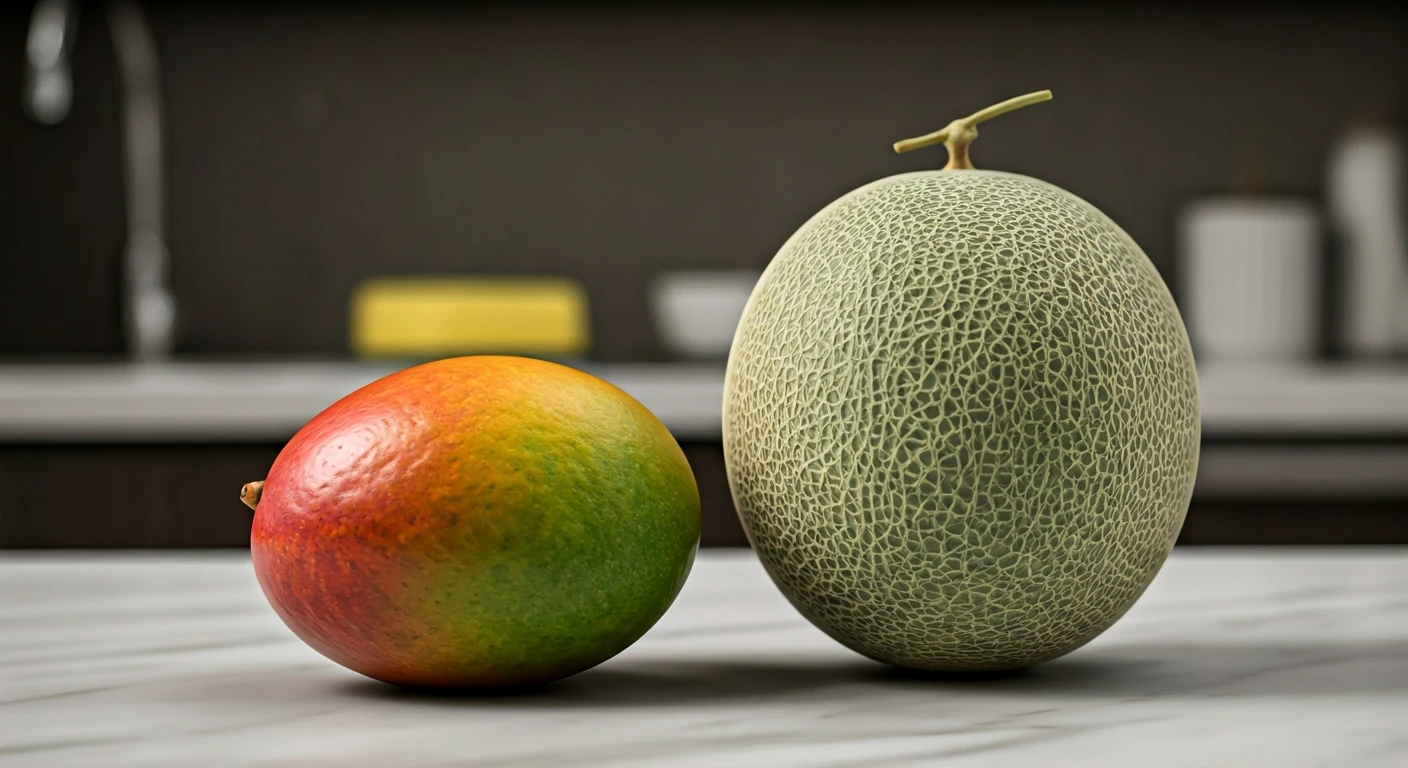
A whole cantaloupe or honeydew melon has a natural suit of armor: its rind. This tough outer layer protects the sweet, nutrient-rich flesh inside from bacteria in the soil, water, and air. The moment a knife slices through that rind, the sterile interior is exposed. If the knife, cutting board, or the hands of the worker are carrying pathogens like Listeria, Salmonella, or E.coli, those germs are transferred directly onto the fruit’s flesh. Unlike the dry, tough rind, the cut surface of a melon is moist and sugary—a perfect buffet and breeding ground for bacteria. From there, the fruit is packaged, shipped, and sits on a shelf. This entire process, which can involve multiple stages of handling and transportation, provides ample time for a small amount of contamination to multiply into a significant health risk. Major foodborne illness outbreaks have been linked to pre-cut melons and other fruits for precisely this reason. You're not just buying fruit; you're trusting an entire supply chain you cannot see.
The 'Monsoon Snack' Effect in Summer
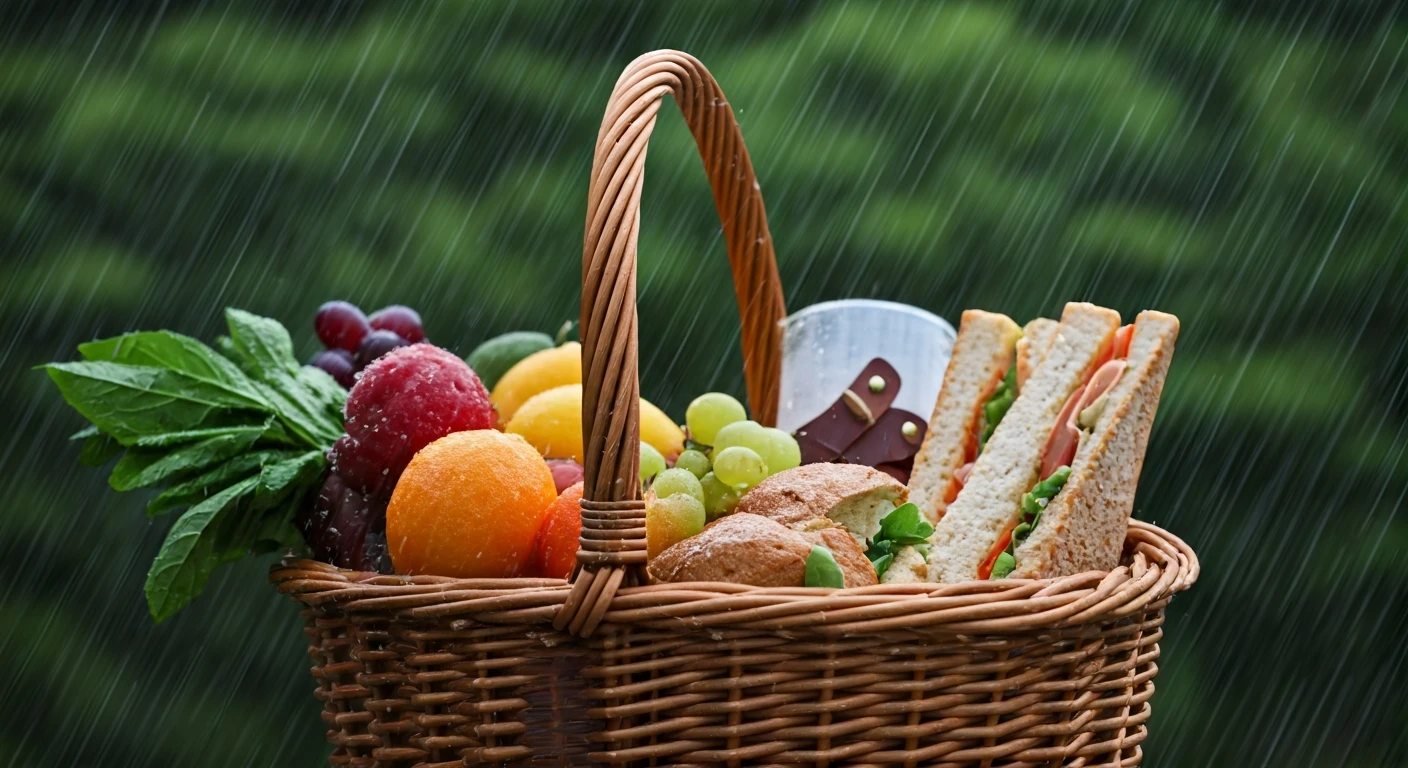
The headline’s reference to “monsoon snacks” points to a universal truth about food safety: heat and humidity are the enemies of fresh food. In many parts of the world, monsoon season brings intense humidity that accelerates food spoilage, making street food a gamble. The American summer is our version of that climate challenge. When you take a container of pre-cut fruit to a picnic or leave it on the counter during a party, you’re creating a “danger zone.” The Food and Drug Administration (FDA) warns that bacteria can multiply rapidly on cut fruit left at temperatures between 40°F and 140°F. A car on a sunny day, a picnic blanket, or a buffet table can quickly reach this temperature range. What might have been a low-level contamination risk in the refrigerated aisle can become a serious threat after just an hour or two in the summer heat. Whole fruit, by contrast, is far more resilient to sitting out for short periods.
Your Best Defense: The Power of Washing
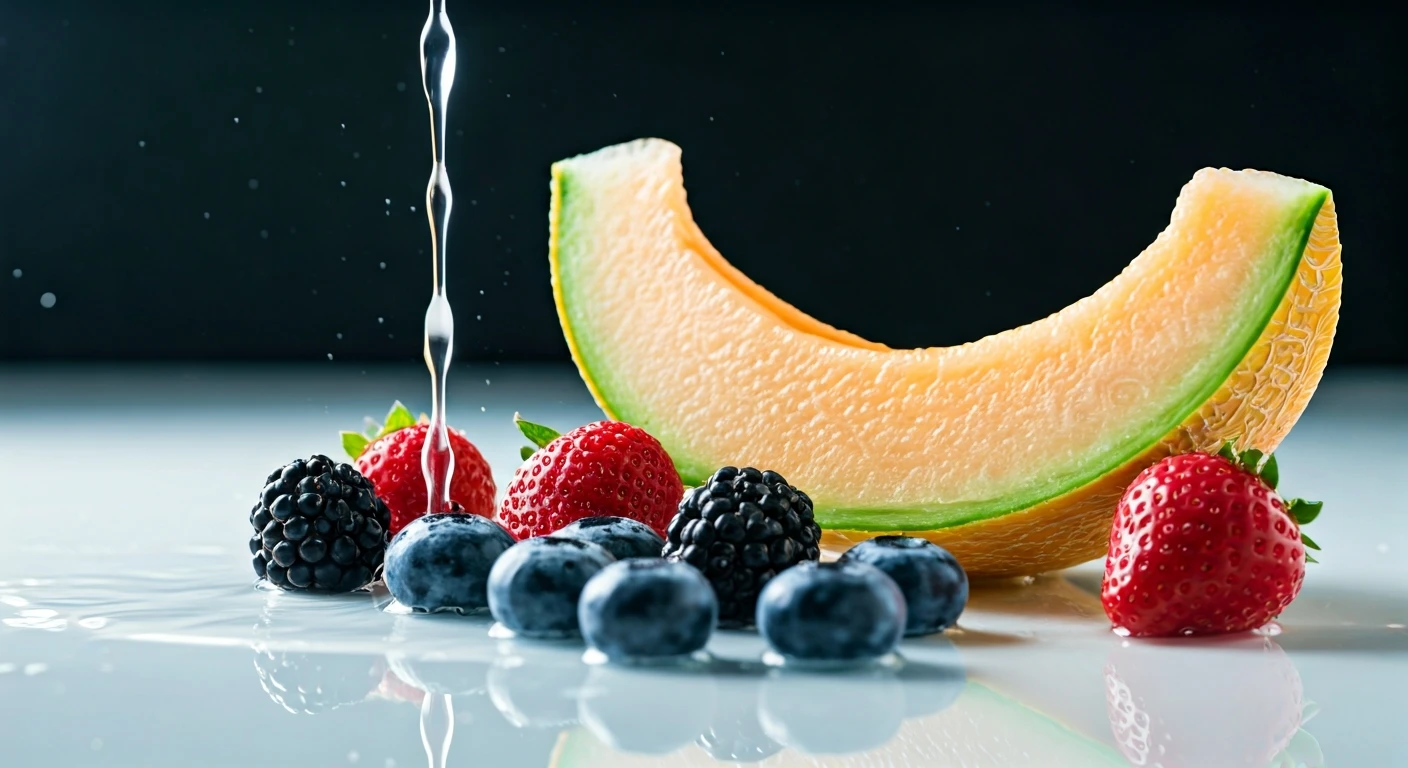
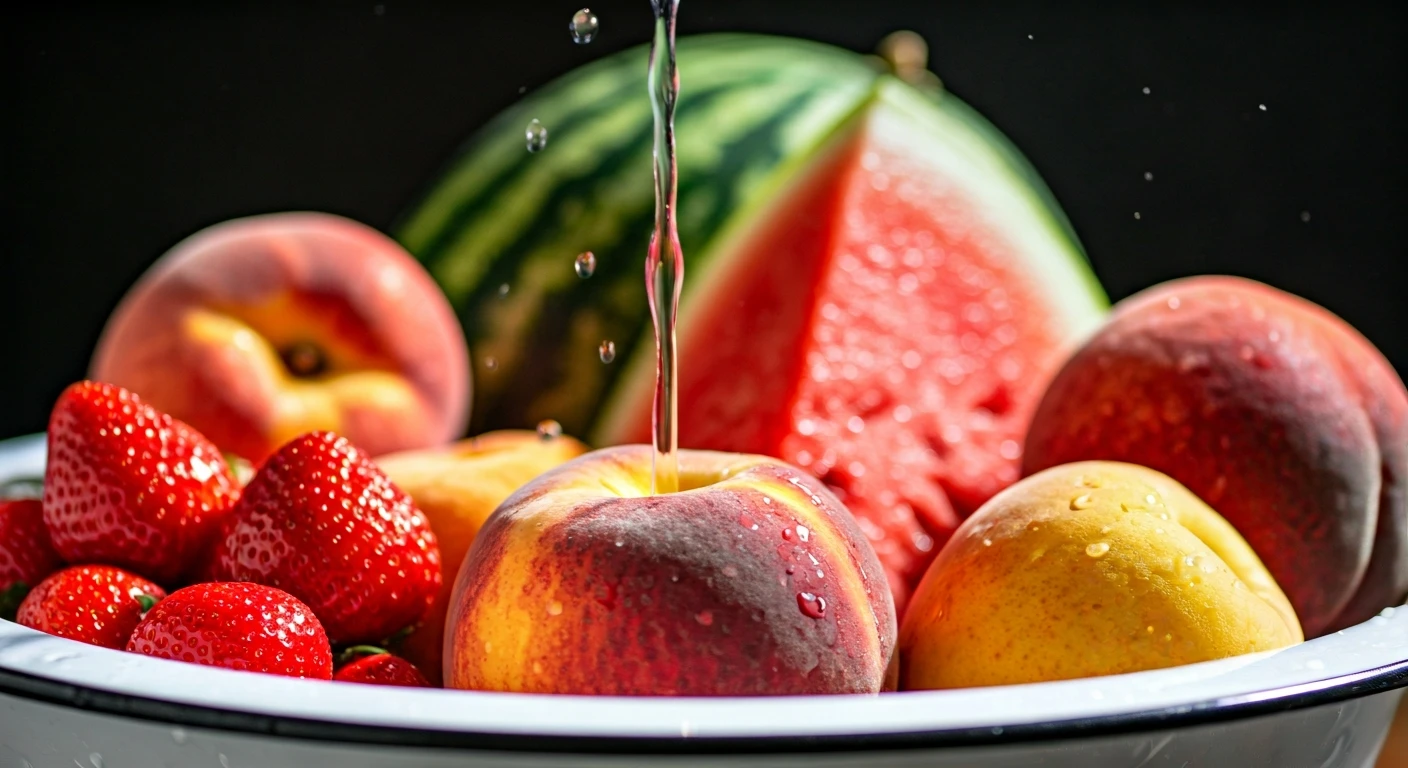
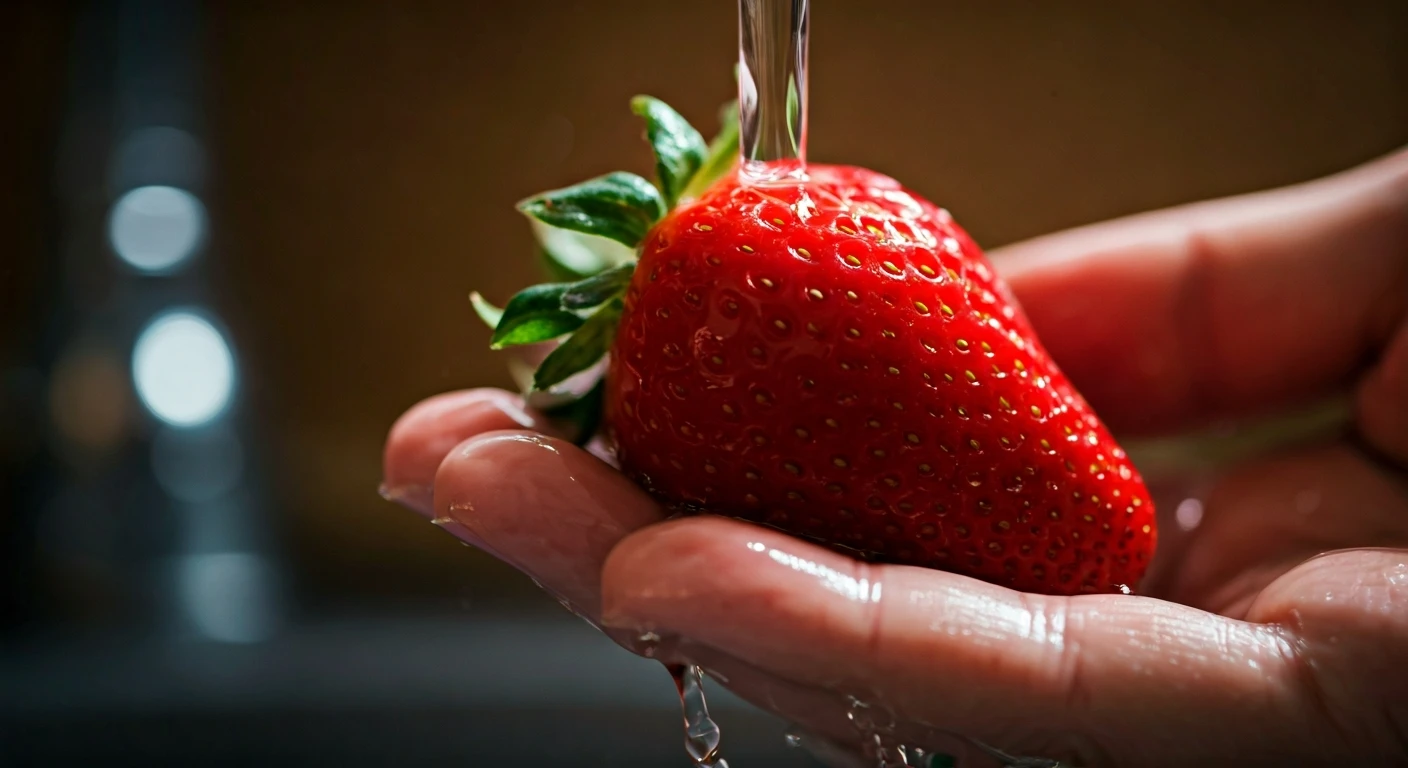
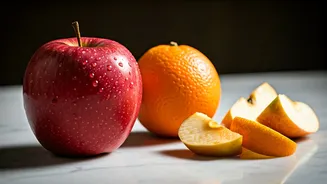
The safest, cheapest, and most effective way to enjoy fruit is to buy it whole and prepare it yourself. This puts you in control. The key is proper washing. The FDA recommends a simple but crucial routine. First, wash your hands thoroughly with soap and water for at least 20 seconds. Then, rinse the fruit under clean, running water. For firm produce like melons and apples, you can use a clean vegetable brush to scrub the surface. This is important even for fruits where you don't eat the peel, like cantaloupe or oranges. Why? Because when you cut into it, any bacteria on the rind will be dragged into the flesh by the knife. There’s no need for special produce washes, and you should never use soap or detergent on your fruit, as they can leave behind residues that are not safe to ingest. After washing, dry the fruit with a clean cloth or paper towel to further reduce the presence of any lingering bacteria. Only after these steps should you cut and serve. It’s a small ritual that dramatically reduces your risk.