




Beyond Taste and Technique
For years, online food content operated on a simple premise: aspiration. We watched sped-up videos of disembodied hands creating flawless smoothie bowls, intricate layer cakes, and photogenic cheese pulls. It was food as visual spectacle, a performance
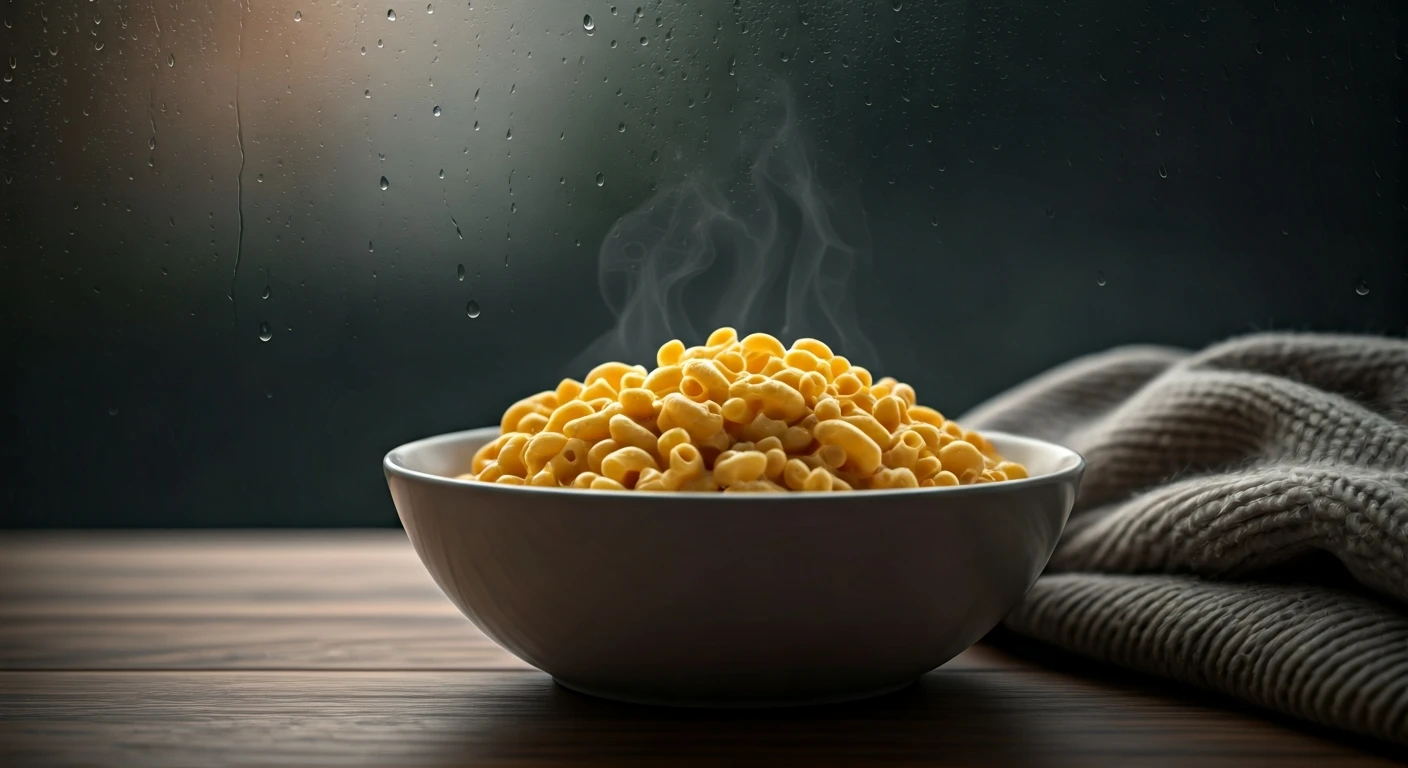
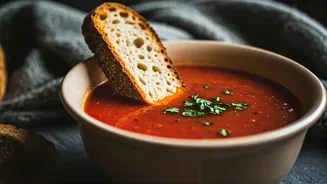
of skill and perfection. But a significant shift is underway. "Emotional flavour" isn't about a new spice or a trendy ingredient; it’s about the narrative baked into the dish. It’s the story, the memory, the feeling—the entire emotional context—that has become the main ingredient. This new wave of content prioritizes the *why* over the *what*. Why are you making this specific soup? Because it’s what your grandmother made when you were sick. Why are you eating pasta alone at 10 p.m.? Because it’s the only comfort you can find after a brutal week. The focus is less on a precise recipe and more on the act of cooking as a form of self-care, connection, or remembrance. The perfectly manicured kitchen has been replaced by a real one, complete with its everyday clutter and flawed, heartfelt results.
From Perfect Plates to Relatable Realities
This trend is a direct reaction to the glossy, impersonal food media that dominated Instagram in the 2010s. That content, while beautiful, often left viewers feeling inadequate—their kitchens weren't as clean, their knife skills weren't as sharp, and their results never quite matched the picture. Platforms like TikTok, with their emphasis on authenticity and storytelling, blew the doors open for a different approach. Creators are now building massive followings not by being the best chefs, but by being the most relatable humans. They share recipes for “depression meals,” “breakup pasta,” or simple, unfussy dishes that got them through tough times. The videos are often slower, more conversational, and feature the creator's face and voice, fostering a direct, almost intimate connection with the audience. The message is no longer “Look what I can do,” but rather, “I feel this too, and this is what I eat when I do.” This vulnerability has proven to be far more compelling than unattainable perfection.
Nostalgia as the Ultimate Comfort Food
A key driver of this emotional turn is nostalgia. In an increasingly fast-paced and uncertain world, food has become a powerful anchor to the past—a tangible link to family, heritage, and simpler times. We’re seeing a resurgence of recipes passed down through generations, with creators meticulously recreating dishes from handwritten family cookbooks. These aren't just cooking tutorials; they're acts of cultural preservation and personal archaeology. Each ingredient comes with a story about a grandparent who fled a war, a mother’s signature pot roast, or the specific brand of canned tomatoes a family has used for 50 years. By sharing these dishes, creators aren't just sharing a meal; they're sharing their identity. For the viewer, it’s a deeply resonant experience. It either mirrors their own family histories or provides a comforting, vicarious connection to a tradition they may not have themselves. The food becomes a vehicle for a shared sense of belonging and memory.
The Story Is the Secret Ingredient
Ultimately, the success of emotional food content reveals a fundamental truth: we connect with stories more than we connect with instructions. A recipe is just a set of steps, but a recipe wrapped in a narrative about love, loss, joy, or survival is an experience. It transforms the act of cooking from a chore into a meaningful ritual. This explains why a simple video of someone quietly making instant ramen can garner millions of views, provided it’s framed with a story about loneliness or the simple peace of a late-night meal. The food is almost secondary to the mood it evokes. The perfectly plated dish offered a fleeting moment of visual pleasure, but the story-driven meal offers something far more lasting: emotional validation. It tells us that it’s okay to be imperfect, to seek comfort, and to find meaning in the mundane.