





So, What Is Ekadashi?
In the simplest terms, Ekadashi is the eleventh day of each lunar fortnight in the Hindu calendar. Since the calendar has two fortnights—a waxing phase (Shukla Paksha) and a waning phase (Krishna Paksha)—Ekadashi occurs twice a month. It’s not a holiday
in the Western sense, with time off from work, but rather a personal day of observance dedicated to spiritual cleansing and devotion. The word itself, derived from Sanskrit, literally means 'the eleventh.' For devout Hindus, these are auspicious days earmarked for heightening one’s connection to the divine, specifically Lord Vishnu, who is seen as the preserver and sustainer of the universe in the Hindu trinity.
The Spiritual ‘Why’ Behind the Fast
The core purpose of Ekadashi is to detach from worldly distractions and attachments to focus the mind on spiritual matters. Fasting is the primary tool for this. By consciously abstaining from certain foods, particularly grains and legumes, practitioners believe they can better control their senses and direct their energy inward. According to scriptural traditions, observing Ekadashi with sincerity can help absolve sins, purify the mind and body, and pave the way for spiritual liberation, or 'moksha.' The fast isn't meant to be a punishment but a willful act of discipline that creates space for God. It’s seen as a way to recharge spiritually, similar to how a weekend getaway can recharge you physically and mentally.
More Than Just Skipping a Meal
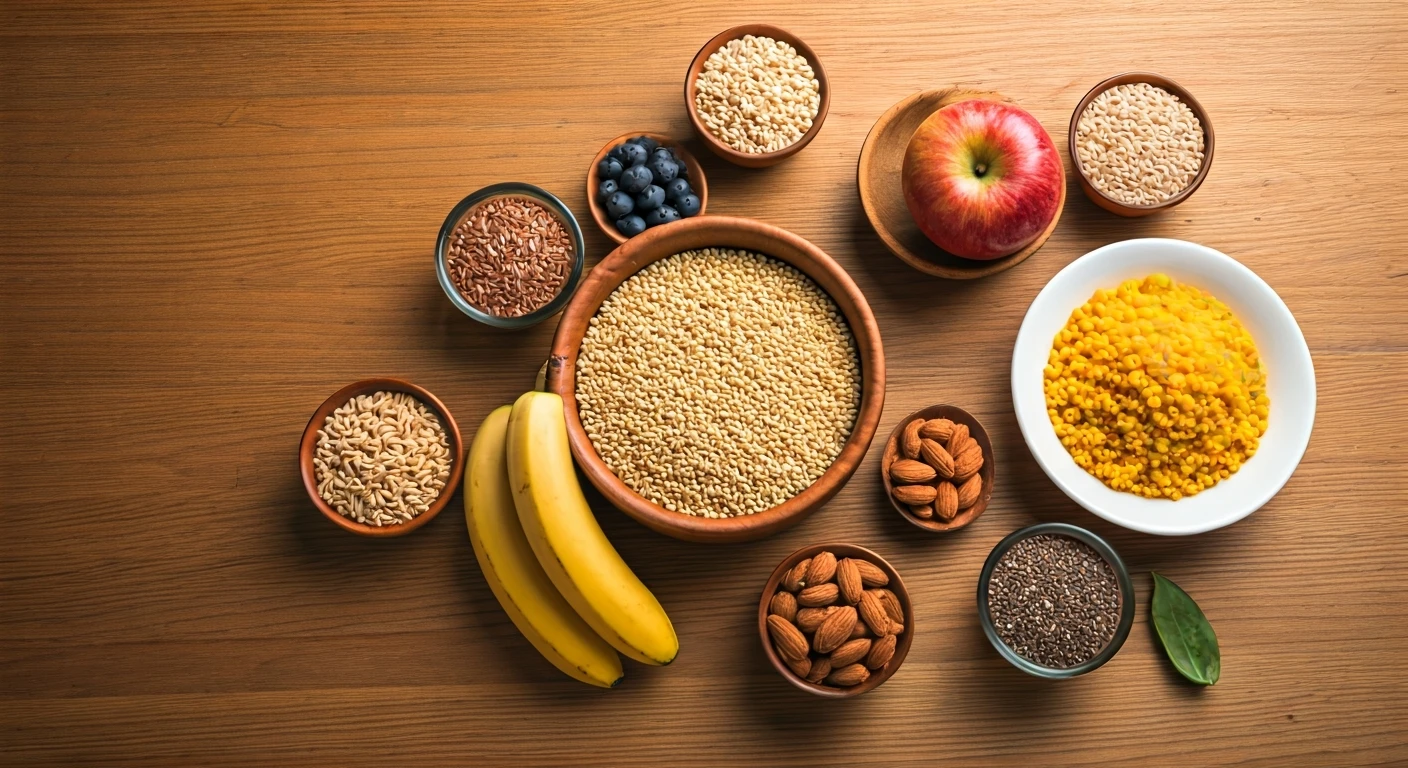
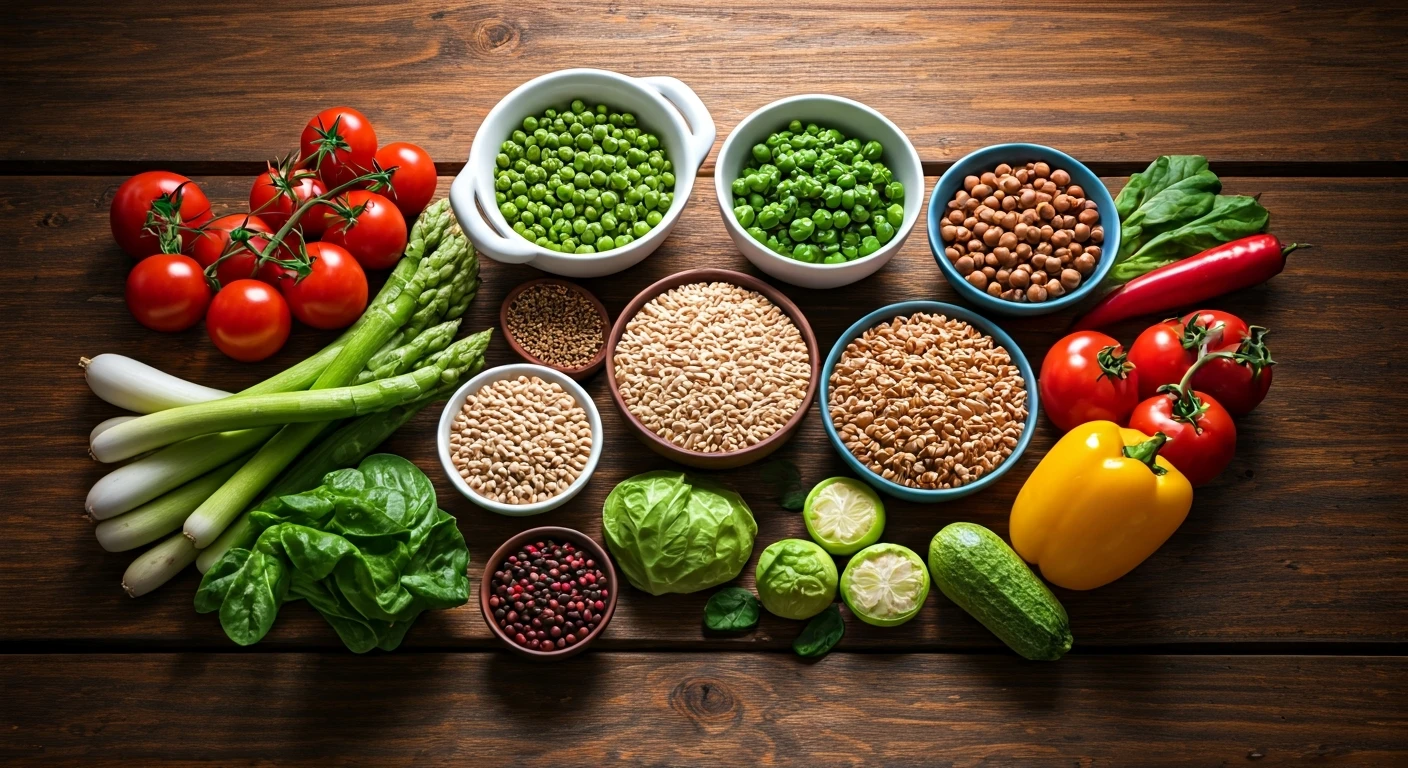
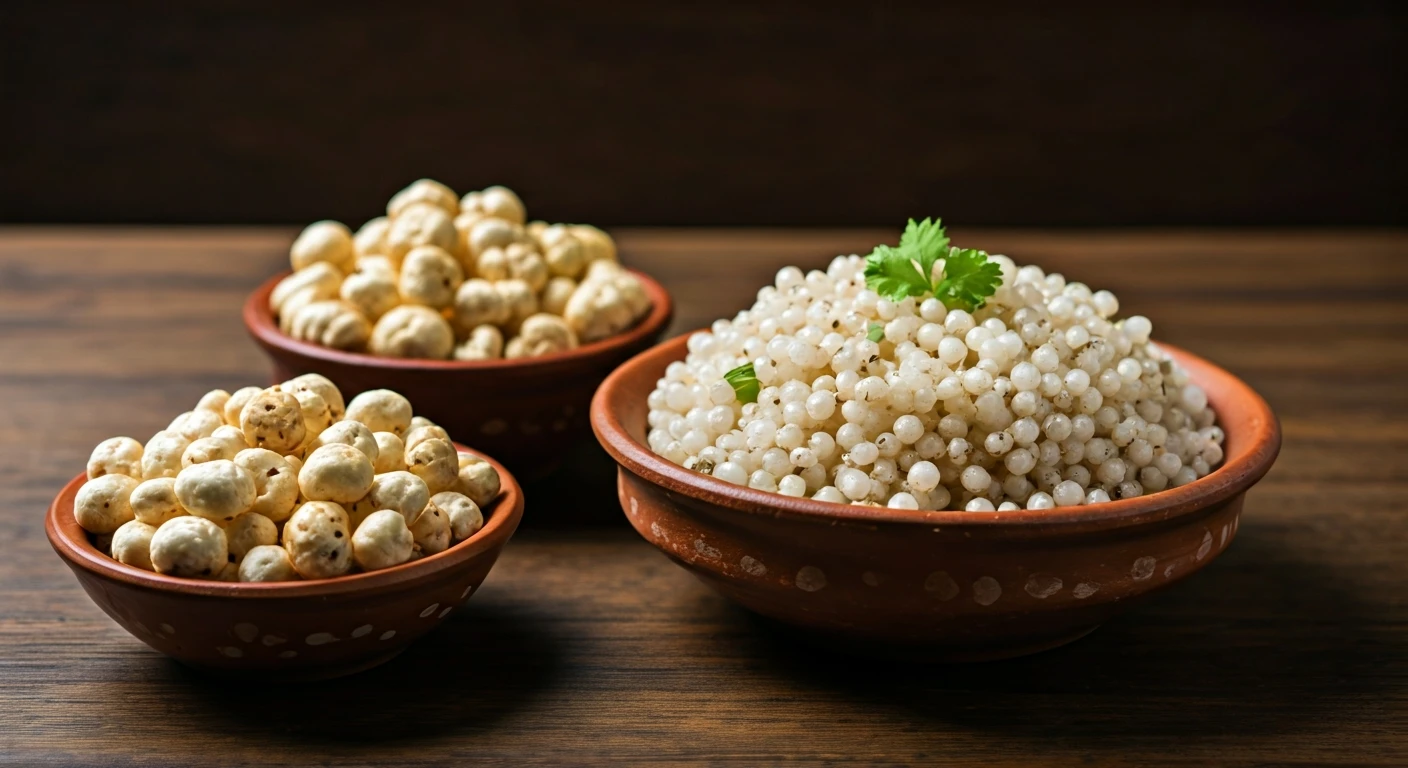
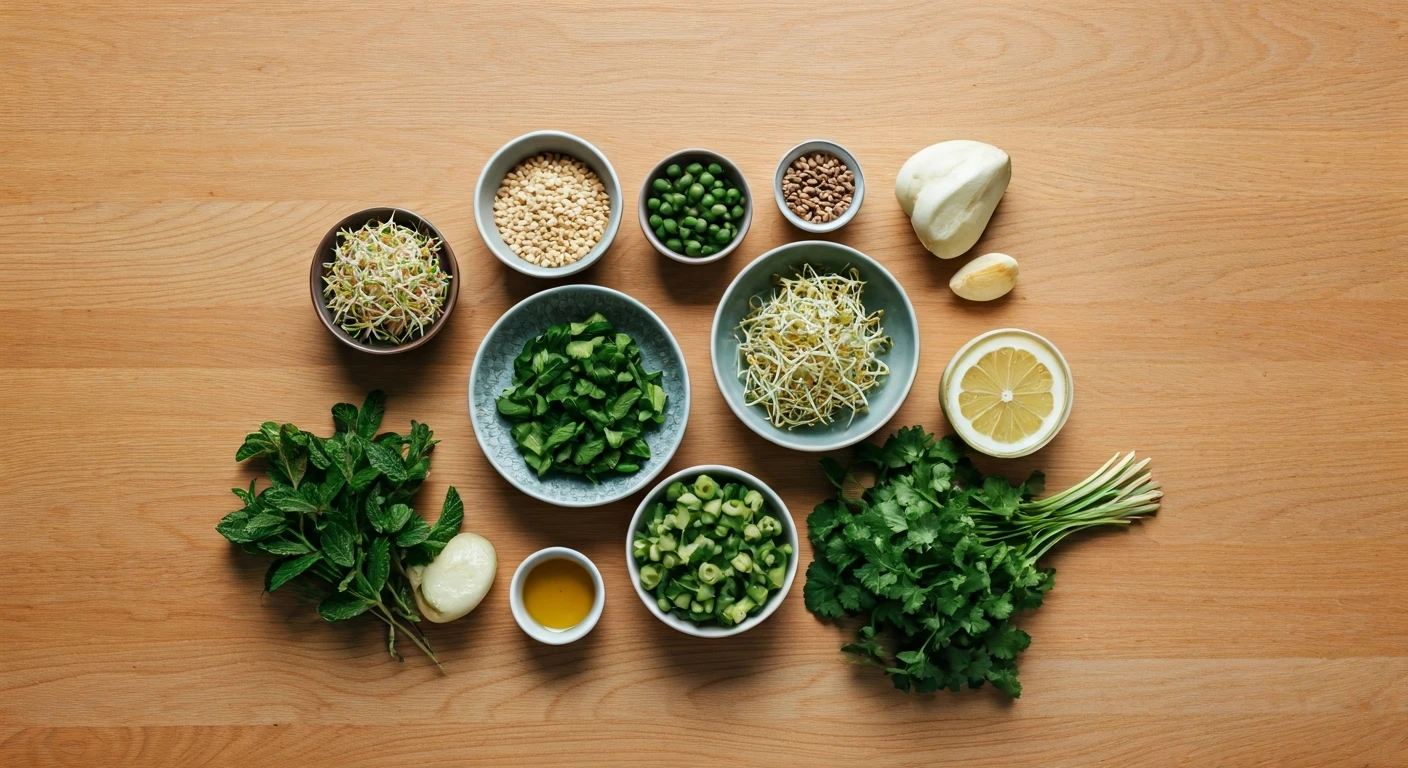
The term 'fasting' on Ekadashi can mean different things to different people, depending on their health, age, and level of devotion. The strictest observers undertake a 'nirjala' fast, abstaining from both food and water for the entire 24-hour period. However, this is quite rare and generally not recommended without guidance. A more common practice is to abstain only from grains (like rice, wheat, and millets) and legumes (like beans and lentils). This is where the 'light meals' from the headline come in. An Ekadashi-friendly diet often includes fruits, nuts, milk products, and specific vegetables and alternative 'flours' like water chestnut flour or buckwheat (which is technically a fruit seed, not a grain). These foods are considered 'sattvic'—pure and light—and are thought to support a meditative state rather than induce sluggishness.
The Power of Prayer and Reflection
While the dietary rules are a major component, the true 'mood' of Ekadashi is shaped by its spiritual activities. The day is ideally spent in prayer, meditation, and contemplation. Many devotees will chant the 'Hare Krishna' mantra or other Vishnu-focused prayers, read from sacred texts like the Bhagavad Gita, or listen to spiritual discourses. For those able, a visit to a temple is common. The goal is to saturate the consciousness with spiritual thoughts and sounds, minimizing engagement with mundane activities like watching TV, engaging in gossip, or focusing on business. This combination of physical restraint and mental engagement is what defines the Ekadashi experience—a holistic pause button on the relentless pace of modern life.