




The Comfort of a Stormy Day
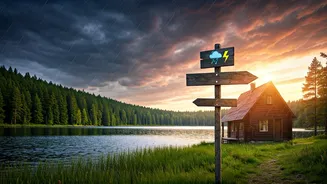
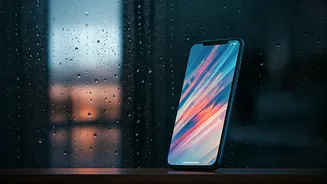
Scroll through social media on a drizzly afternoon and you’ll find it: the 'rain aesthetic.' It’s a digital mood board of window seats, steaming cups of coffee, open books, and the gentle blur of a world washed clean. For many, the sound of rain is a natural
relaxant, a trigger for feelings of safety and introspection. This phenomenon, sometimes called pluviophilia, is more than just appreciating a change in the weather; it's about curating a specific feeling of cozy sanctuary. In a hectic, always-on world, a rainy day provides a culturally acceptable excuse to slow down, stay in, and embrace quiet comfort. It’s an aesthetic built on the idea of being safely sheltered from the elements, wrapped in a blanket while the world outside gets a much-needed drink.
When the Weather Turns
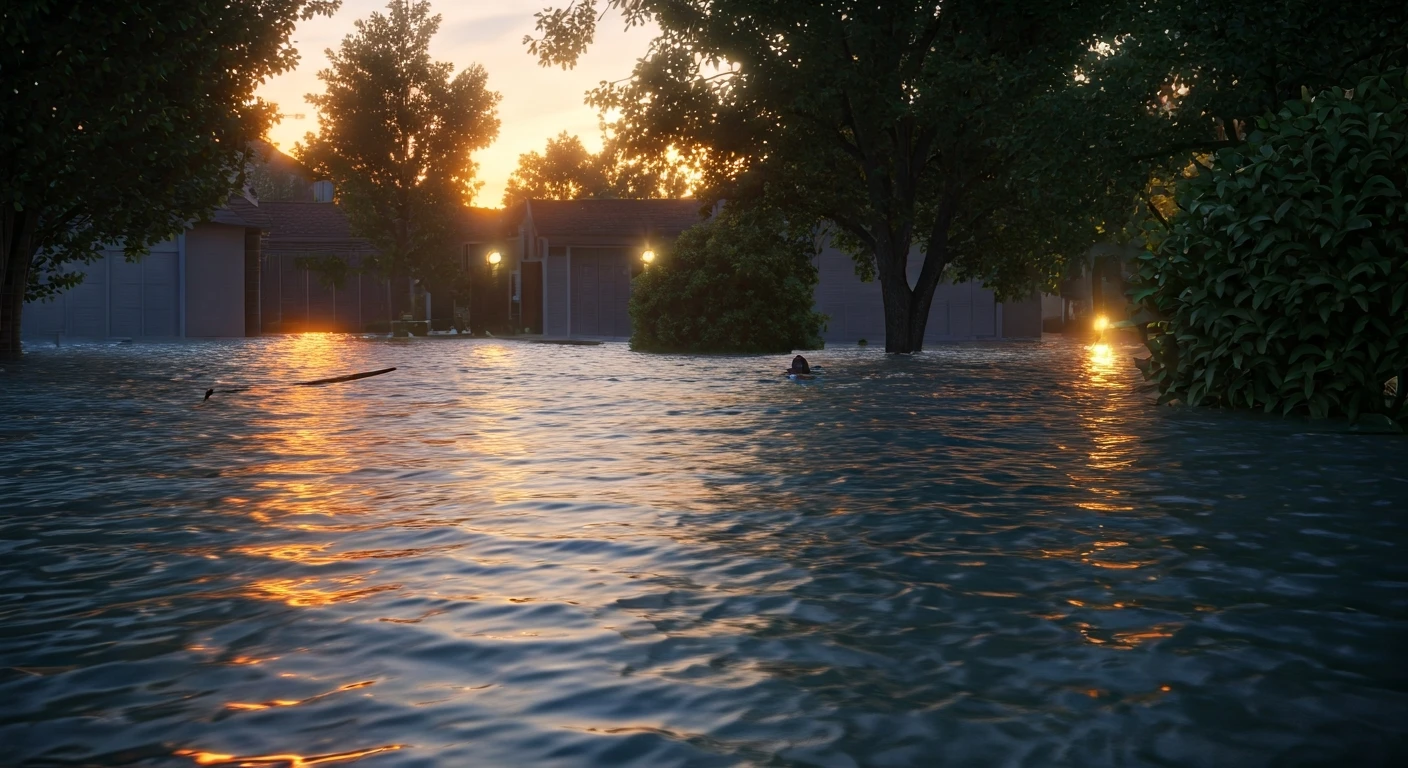
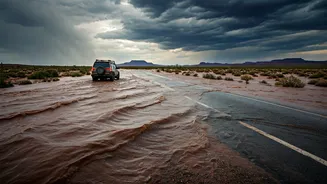
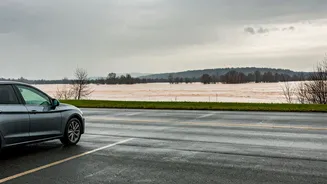
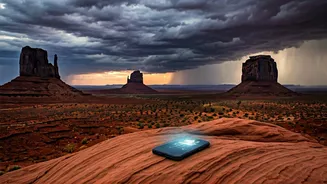
But every storm has two faces. The gentle shower that fuels the cozy aesthetic can be the precursor to something far more serious. In the United States, weather patterns are becoming more extreme. A steady downpour can rapidly escalate into a flash flood, one of the most deadly types of weather events. A dramatic thunderstorm that provides an impressive light show from a distance can spawn damaging winds, hail, or even tornadoes with little warning. The very elements that create our sense of indoor sanctuary can become a direct threat to it. The National Weather Service constantly warns that conditions can change in a matter of minutes. Enjoying the rain is one thing; being unprepared for its potential volatility is another. The romance of the storm ends the moment the water starts rising in the street or the wind begins to howl with destructive force.
The Modern Safety Net: Local Alerts
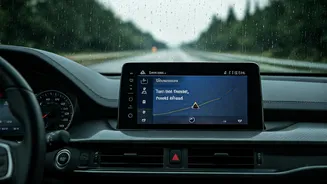
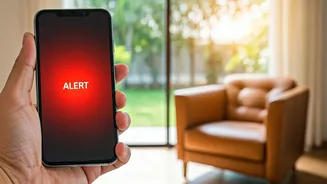
This is where the less aesthetic, but far more critical, part of the equation comes in: local emergency alerts. These aren’t the generalized '30% chance of rain' notifications from your favorite weather app. We're talking about Wireless Emergency Alerts (WEA), the location-specific messages pushed to your phone by government agencies like the National Weather Service and FEMA. These alerts use a system separate from normal text messages to warn everyone in a specific geographic area about an imminent threat, like a Flash Flood Warning or a Tornado Warning. They are designed to be intrusive and unmissable—with a unique sound and vibration—precisely because the information they carry is urgent and potentially life-saving. Think of them not as an interruption to your cozy vibe, but as the invisible digital infrastructure that makes that feeling of safety a reality.
How to Ensure You're Covered
Most modern smartphones are already enabled to receive WEA messages by default, but it's wise to check. On both iPhone and Android, you can find these settings under your 'Notifications' menu, often listed as 'Emergency Alerts' or 'Government Alerts.' Ensure that 'Imminent Danger,' 'Extreme,' or 'Severe' alerts are toggled on. For another layer of protection, consider the official FEMA app, which allows you to receive real-time alerts for up to five locations across the country—perfect for checking on family in other states. A dedicated NOAA Weather Radio is also considered the gold standard by emergency managers, as it operates on a separate frequency and works even when cell towers and internet services are down. Combining these tools ensures you have a redundant system, ready to cut through the noise when it matters most.