

The Return of Real
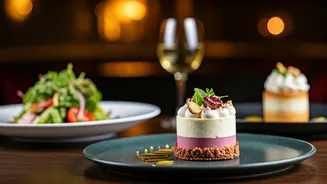
There seems to be a collective exhaustion with food that requires a blueprint. For years, the trend in high-end dining, and the aspirational home cooking that follows it, has been toward complexity. Desserts became architectural marvels: spheres to be cracked
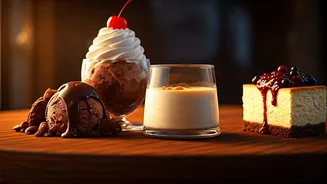
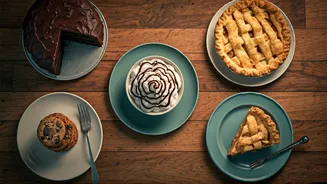
open, soils and foams that mimic other textures, and flavor combinations that read like a chemistry experiment. While the artistry is undeniable, it can also feel sterile and performative. Now, a powerful counter-current is pulling us back to shore. We’re craving desserts that don’t need an explanation. Think of the unpretentious perfection of a strawberry-rhubarb pie with a lattice crust that’s a little uneven, or a scoop of real mint chocolate chip ice cream—not a basil-infused gelato. This isn’t a rejection of skill; it's a celebration of authenticity and the straightforward pleasure of sugar, butter, and flour doing what they do best.
Dessert as a Time Machine
More than anything, the appeal of old-school sweets is rooted in nostalgia. A root beer float isn't just ice cream and soda; it's the buzz of a 1950s diner, even for those who never experienced one. A simple chocolate pudding tastes like after-school snacks in a sunlit kitchen. These recipes are edible time capsules, connecting us to childhoods, grandparents, and a perceived simpler era. In a world of constant digital flux and an uncertain future, these flavors are grounding. They offer a powerful, sensory reminder of where we came from. A potluck-style banana pudding with Nilla Wafers doesn't just feed a crowd; it evokes a sense of community, church socials, and family gatherings that feel both distant and deeply comforting.
Comfort on a Budget
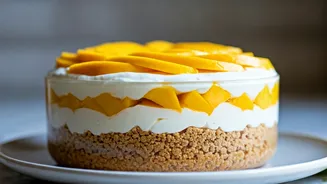
Let’s not ignore the economic elephant in the room. When a single dessert at a trendy restaurant can cost as much as a movie ticket, simple pleasures become a form of smart indulgence. The ingredients for a classic fruit cobbler, a batch of brownies from a box mix, or an icebox cake cost a fraction of a fancy night out. This affordability makes dessert feel accessible and generous again, rather than a precious, high-stakes investment. In an inflationary environment, being able to create something abundant and joyful for under $10 is a quiet superpower. It democratizes delight, proving that you don’t need a fat wallet to experience the sweetness of life. It’s a small, delicious rebellion against the idea that luxury has to be expensive.
Beyond the Instagram Bait
Ironically, in the age of the influencer, the most resonant desserts are often the least photogenic. There’s a homespun charm to a lopsided layer cake or a scoop of ice cream melting down the sides of a cone that feels more genuine than a perfectly staged, ring-lit macaron tower. This trend is a quiet rejection of “Instagram bait”—food designed primarily to be photographed rather than devoured. The joy isn’t in the filtered and posted image; it's in the messy, sticky, and utterly present experience of eating it. It’s about sharing a pan of brownies with friends, not just sharing a photo of them. This shift prioritizes real-life connection and sensory experience over curated digital performance, and it turns out that’s what many of us have been hungry for all along.