




Rosemary: The Drought-Tolerant Staple
If you want a plant that actively rewards a bit of neglect, rosemary is your answer. This woody, evergreen herb is famously drought-tolerant once established, making it perfect for forgetful waterers or hot, sunny spots in the yard. It thrives in well-draining
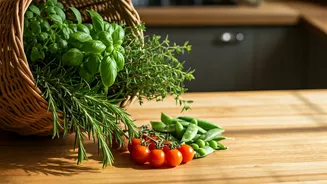
soil and detests having 'wet feet,' so overwatering is a bigger risk than underwatering. Its pungent, pine-like aroma is a natural pest deterrent, meaning you’ll spend less time dealing with bugs. In the kitchen, its uses are endless. Strip the tough needles from the stem and chop them finely to add to roasted potatoes, chicken, lamb, or pork. Whole sprigs can be used to infuse olive oil or tossed onto the grill to perfume whatever you’re cooking. It’s a true garden-to-table workhorse that looks as good as it tastes.
Mint: The Unstoppable Flavor Force
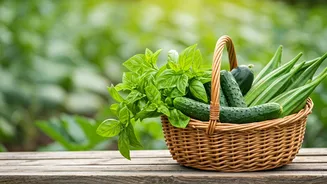
Mint is so hardy that the main challenge is often containing its ambition. This vigorous perennial spreads via underground runners and will happily take over any garden bed it’s planted in. For this reason, it is almost always recommended to grow mint in a container. A pot on the patio or a window box will keep it in check while still providing you with an endless supply of fresh leaves. It tolerates a wide range of light conditions, from full sun to partial shade, and isn't picky about soil. The payoff is immense. A few crushed leaves can elevate a simple glass of water or iced tea. It’s the key ingredient in mojitos, a perfect partner for lamb dishes, and a refreshing addition to fruit salads. With dozens of varieties like spearmint, peppermint, and even chocolate mint, you can grow a whole collection of easy, flavorful additions for drinks and desserts.
Chives: The Easiest Allium
Imagine the flavor of green onion, but it comes back every single year with zero effort. That’s the magic of chives. This member of the onion family is exceptionally cold-hardy and will be one of the first things to pop up in your garden in the spring. They grow in clumps that slowly expand over time, and a single small plant can become a robust patch within a couple of years. Chives aren’t bothered by most pests and their purple puffball flowers are both edible and attractive to pollinators. To harvest, simply give them a 'haircut' with scissors, snipping the green shoots an inch or two from the base. They will regrow quickly. Their mild oniony flavor is perfect for sprinkling over baked potatoes, eggs, salads, and soups. They are best used fresh, providing a delicate finishing touch that feels gourmet but is laughably easy to grow.
Kale: The Cool-Weather Superstar
Long before it was a superfood trend, kale was a garden staple because it’s tough as nails. This leafy green is incredibly cold-tolerant; in fact, its flavor often improves after a light frost, which converts some of its starches into sugars. It’s a 'cut-and-come-again' vegetable, meaning you can harvest the outer leaves as you need them, and the plant will continue producing new growth from its center for months. This provides a steady, long-term harvest instead of a one-time glut. While cabbage worms can be a nuisance, kale is generally more resilient than other brassicas. In the kitchen, it's versatile. You can chop it into salads (massaging it with dressing first to soften it), blend it into smoothies, sauté it with garlic, or bake it into crispy kale chips. It’s a nutritional powerhouse that just keeps on giving.
Zucchini: The Summer Overachiever
Anyone who has grown zucchini knows the joke: don’t leave your car unlocked in August, or you’ll find it full of your neighbor’s extra squash. This plant is legendary for its productivity. Once it starts producing fruit, it doesn’t stop until the first frost. Zucchini plants are easy to grow from seed, require full sun and consistent water, but are otherwise low-fuss. A single plant can easily produce more than enough for a small family. The key is to harvest the fruits when they are small and tender (around 6-8 inches long) for the best flavor and texture. Beyond being grilled or sautéed as a side dish, zucchini can be spiralized into 'zoodles,' grated into breads and muffins for moisture, or layered into a vegetarian lasagna. Its prolific nature makes it one of the most cost-effective and rewarding vegetables a home grower can choose.