



An Anomaly in the Arid Lands
For most of the year, Rajasthan is a landscape painted in shades of ochre, brown, and gold. It’s the heart of India’s Great Thar Desert, a region defined by its arid climate and resilient people. That’s what makes Mount Abu so startlingly unique. It’s the state’s
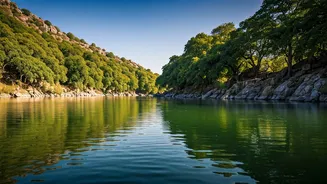
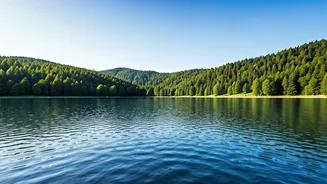
only hill station—a term leftover from the British colonial era for mountain towns used as escapes from the punishing summer heat. Rising to an elevation of 4,000 feet, Mount Abu is a cool, verdant exception to the rule. Instead of endless sand, you find winding mountain roads, a placid lake, and a climate that offers a welcome respite. It isn't just a town; it’s a geographical marvel, a cool-toned sanctuary in a warm-hued world.
The Backbone: The Ancient Aravalli Range
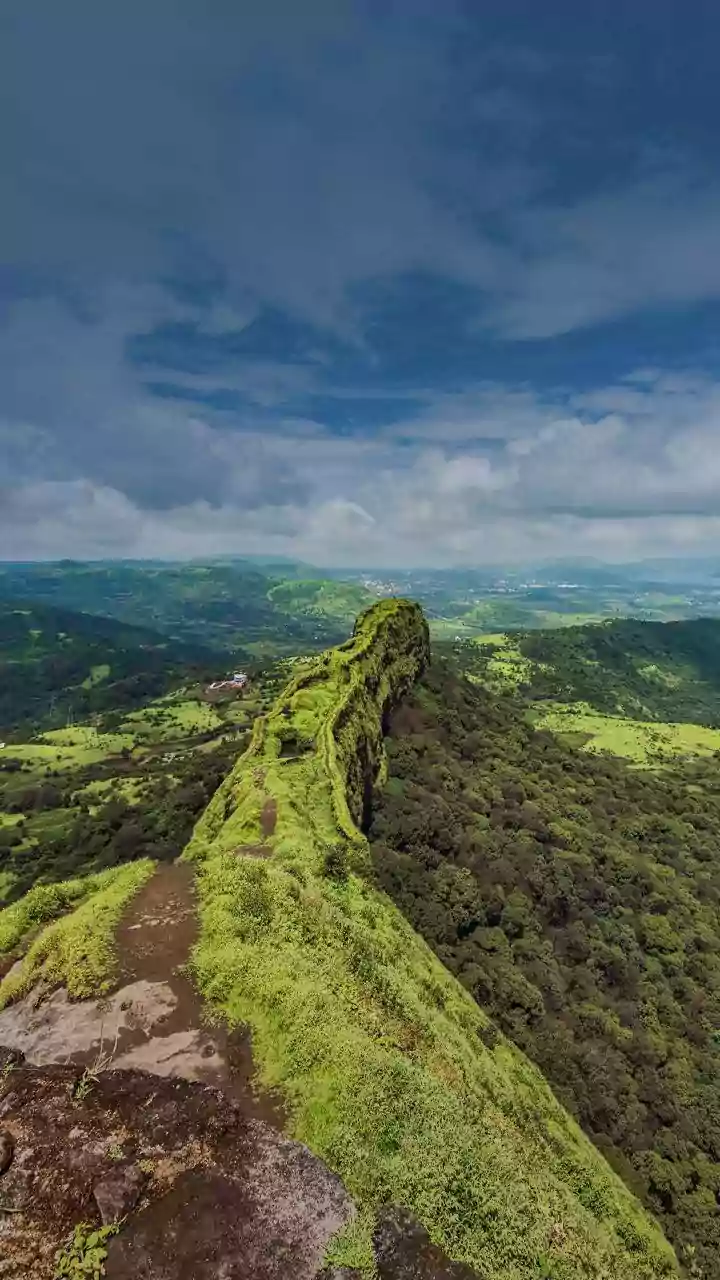
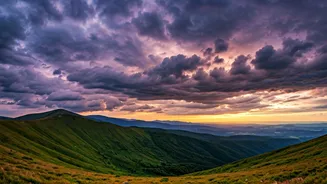
You can’t understand Mount Abu without understanding the Aravalli Range. These aren’t just any hills; they are among the oldest fold mountains on the planet, predating even the Himalayas. Worn down by hundreds of millions of years of natural erosion, they stretch diagonally across Rajasthan like a rugged spine. For centuries, this range has acted as a crucial ecological barrier, influencing rainfall patterns and shielding the more fertile eastern parts of the state from the encroaching desert. Mount Abu sits on a distinctive plateau within this ancient range. Its existence is a testament to the geological forces that shaped the subcontinent, creating a high-altitude haven capable of sustaining a different kind of life than the plains below.
When the Monsoon Works its Magic
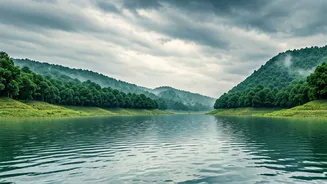
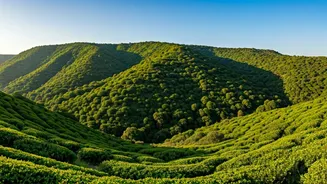
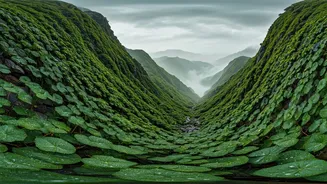
The “green” in the headline is no exaggeration, but it is seasonal, which makes it all the more magical. The transformation is powered by India’s annual monsoon. Around June or July, rain clouds that have traveled across the subcontinent finally break over the Aravallis. The effect is immediate and dramatic. The parched, rocky slopes drink in the moisture, and within weeks, a vibrant green carpet unfurls across the landscape. Dormant seeds sprout, waterfalls cascade down rock faces that were bone-dry a month earlier, and a thick mist often hangs in the air, wrapping the town in an ethereal blanket. This seasonal greening is the lifeblood of Mount Abu. It replenishes the water table, nourishes the forests, and creates the lush scenery that makes the town famous.
How Green Hills Create a Shining Destination
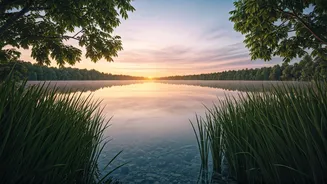
This ecological vitality is what makes Mount Abu “shine.” The town's appeal is intrinsically tied to the health of its surrounding hills. The centerpiece, Nakki Lake, a serene man-made body of water, is entirely dependent on the rainfall captured by the Aravallis. The famous Dilwara Temples, architectural masterpieces carved from white marble in the 11th and 13th centuries, are made even more breathtaking by their setting amidst the lush, forested slopes. The cool, pleasant weather, a direct result of the altitude and vegetation, is the primary driver of tourism. Visitors from the sweltering plains of Gujarat and Rajasthan flock here not just for the sights, but for the simple pleasure of breathing cool, fresh air. The green hills are the engine of the local economy, supporting everything from boating on the lake to the hotels and shops that cater to travelers. Without the Aravallis, and without the monsoon that turns them green, Mount Abu would lose its very reason for being.