





The Red Carpet of Visa Waivers
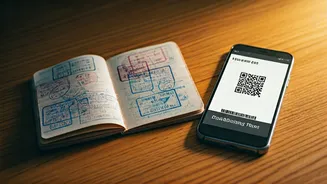
Imagine planning a trip to Europe or the U.S. from India. The process often involves lengthy visa applications, appointments, and a hefty dose of uncertainty. Now, picture planning a trip to Thailand or Malaysia. For Indian passport holders, it's increasingly
as simple as booking a flight. Countries across Southeast Asia have rolled out the red carpet, offering visa-free entry or simple visa-on-arrival processes specifically to attract the booming Indian tourist market. Thailand, a perennial favorite, recently extended its visa-free scheme for Indians. Malaysia and Vietnam have followed suit. This isn't just a minor convenience; it's a game-changer. It removes a significant psychological and financial barrier, making spontaneous trips and family vacations vastly more appealing. For many, the choice between bureaucratic hurdles and a welcoming entry policy is no choice at all.
Affordable Luxury and Epic Value
For American travelers, Southeast Asia has long been synonymous with getting more bang for your buck. For Indian travelers, this value proposition is magnified. The Indian rupee goes a long way against currencies like the Thai baht, Vietnamese dong, or Indonesian rupiah. This allows for a level of accessible luxury that’s hard to find in the West. A five-star hotel experience in Bali or Phuket can cost a fraction of a comparable stay in Paris or New York. The same applies to everything from fine dining and spa treatments to adventure activities and shopping. This financial accessibility allows travelers to experience more, stay longer, and feel like they’re getting a premium vacation without draining their savings. It’s the sweet spot where aspiration meets affordability, a powerful combination driving millions of booking decisions.
A Short Hop, Not a Long Haul
Geography plays a starring role in this travel love story. From major Indian hubs like Delhi, Mumbai, or Kolkata, Southeast Asian capitals are just a four-to-six-hour flight away. This short travel time is a massive practical advantage. It means less time spent on a plane, minimal jet lag, and lower airfares compared to transcontinental journeys. A week-long vacation doesn't have to be bookended by two full days of exhausting travel. This proximity has made destinations like Bangkok and Singapore popular for long weekends, a quick getaway that’s simply not feasible for destinations in Europe or the Americas. The proliferation of budget airlines operating these routes has further democratized access, putting these vibrant destinations within easy reach for a wider swath of the population.
Cultural Comfort and Familiar Flavors
Beyond the practicalities of visas and budgets lies a deeper, more subtle connection. Southeast Asia offers a sense of cultural familiarity that is both exciting and comforting for many Indian travelers. The historical and religious ties are visible everywhere—from the Hindu-influenced temples of Angkor Wat in Cambodia and the island of Bali in Indonesia to the widespread practice of Buddhism across the region. This shared heritage creates a layer of instant connection. Furthermore, the culinary landscape, with its emphasis on rice, spices, and curries, feels both new and familiar. Finding vegetarian food, a key consideration for a large segment of Indian tourists, is also significantly easier than in many Western countries. This blend of exotic novelty and underlying familiarity creates a welcoming environment where travelers can feel adventurous without feeling entirely out of their element.