


The Social Media Greenhouse
The seeds of the houseplant explosion were sown on social media. Platforms like Instagram and Pinterest transformed the humble houseplant from a simple hobby into a must-have accessory for a well-curated life. Suddenly, it wasn't just about keeping a plant alive;
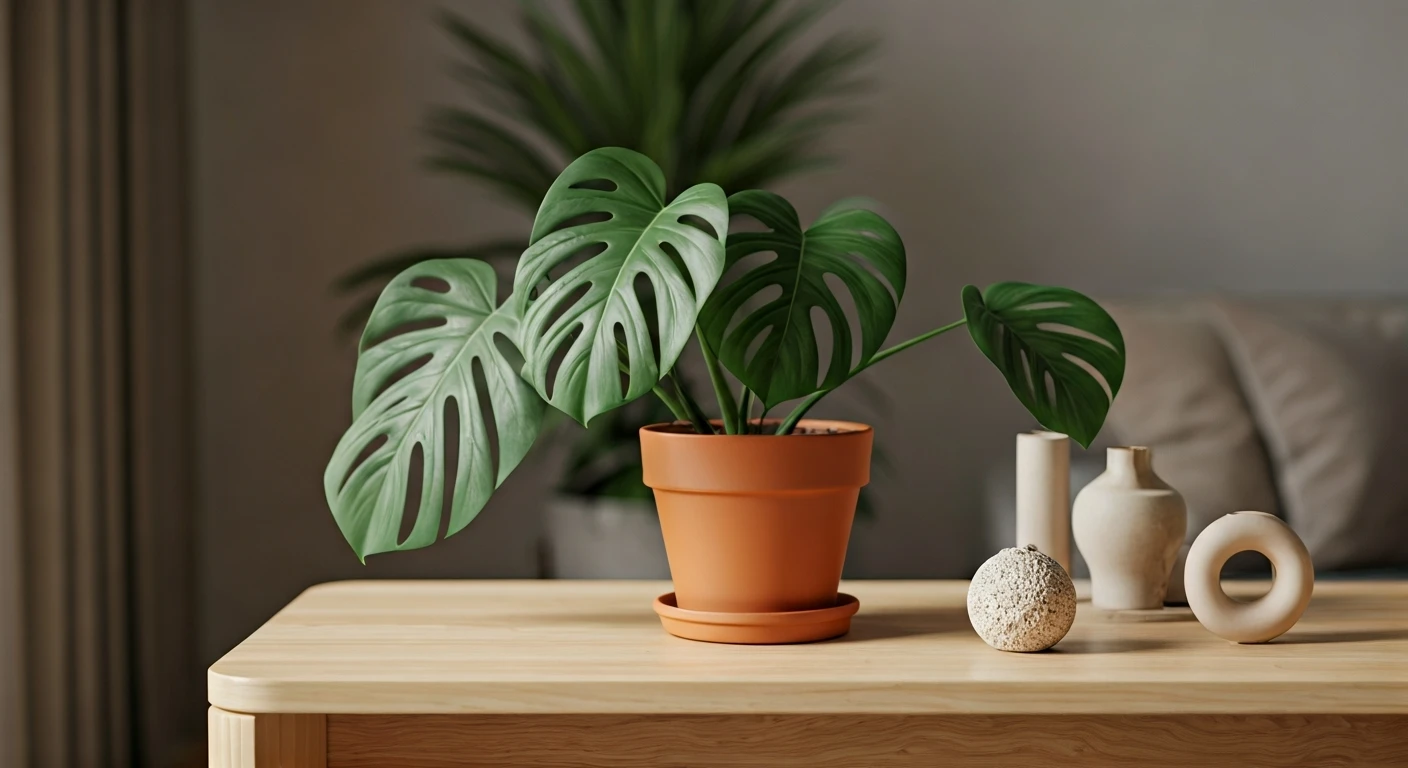
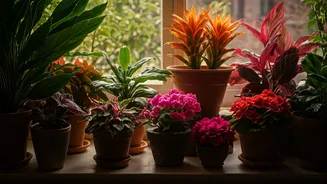
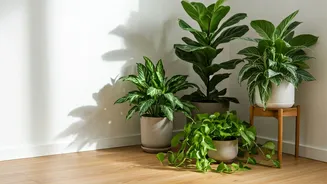
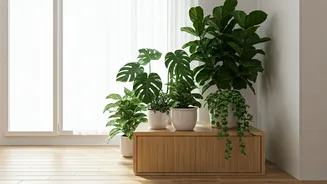
it was about aesthetics. The #plantsofinstagram hashtag, now with tens of millions of posts, showcases pristine living rooms where sunlight streams perfectly onto a rare variegated Monstera or a trailing pothos drapes elegantly from a macrame hanger. This visual ecosystem created a new kind of tastemaker: the “plantfluencer.” These creators share tips on care, showcase their stunning collections, and perform “plant hauls” from nurseries, turning what was once a quiet pastime into a performative, community-driven activity. The desire to replicate these picture-perfect interiors drove a generation, particularly millennials and Gen Z, to see plants not just as living things but as essential components of interior design, as vital as a throw pillow or a piece of art.
A Pandemic-Fueled Boom
If social media planted the seed, the COVID-19 pandemic was the downpour that made it sprout uncontrollably. As lockdowns swept the nation in 2020, Americans found themselves confined to their homes, staring at the same four walls. This created a perfect storm of needs that houseplants were uniquely suited to fill. People craved a connection to nature, a new hobby to occupy their time, and, perhaps most importantly, something to nurture. Caring for a plant provided a simple, tangible routine in a world of uncertainty. Watching a new leaf unfurl offered a small but profound sense of hope and accomplishment. The data backs this up: garden centers were deemed essential businesses in many areas, and online plant retailers reported unprecedented surges in sales, with some seeing growth of over 500%. The “plant parent” identity, once a cute moniker, became a genuine role for millions seeking solace and purpose during a period of intense isolation.
More Than Just Decoration
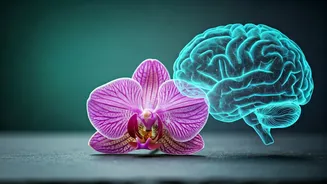
The boom is also deeply tied to the broader cultural shift towards wellness and self-care. In an age of constant screen time and digital burnout, tending to plants offers a grounding, analog escape. The act of watering, pruning, and repotting requires a mindful presence that pulls us away from our phones and anxieties. Many plant owners describe the experience as therapeutic, a form of active meditation that lowers stress. This psychological benefit is often cited as a primary reason for owning plants. They purify the air, yes, but their larger benefit may be purifying the mind. In a culture increasingly aware of mental health, houseplants are framed as an accessible tool for creating a calming and restorative home environment. They are a living, breathing reminder to slow down, to observe, and to care for something outside of ourselves. This transforms plant ownership from a decorative choice into a deliberate act of well-being.
The New Plant Economy
The market has rapidly evolved to cater to this mainstream demand. Gone are the days when your only options were a generic hardware store and a dusty local nursery. A new ecosystem of businesses has bloomed. Online, direct-to-consumer startups like The Sill and Bloomscape have built entire brands around making plant ownership easy and stylish, shipping “beginner-friendly” plants in chic pots directly to your door, complete with detailed care instructions. Even big-box retailers like Home Depot and Lowe’s have dramatically expanded their indoor plant sections, while grocery chains like Trader Joe’s are famous for their affordable and often exotic plant offerings. Subscription boxes, specialized plant-care apps, and a cottage industry of pot, trellis, and soil makers have all sprung up to support the hobby. This robust commercial infrastructure is the clearest sign of all: indoor plant shopping isn't just a trend, it's a legitimate, multi-billion-dollar industry that’s here to stay.