






The Sun Is No Longer the Star
For decades, the goal of a summer trip was simple: find the heat. Destinations like Phoenix, Las Vegas, and the sun-drenched coasts of the Mediterranean built entire industries on the promise of cloudless skies and guaranteed warmth. But as climate change
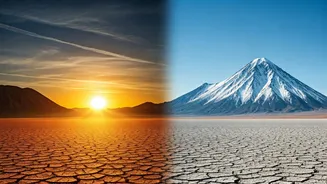
turns reliable warmth into oppressive, dangerous heat, the appeal is fading. Recent summers have seen temperature records shattered across the globe, with heat domes settling over popular tourist areas for weeks at a time. Suddenly, a charming cobblestone street in Rome or a hike in a national park becomes an endurance test. Travel search data and industry reports reveal a clear pattern: a growing number of tourists are looking at weather forecasts not for sun, but for relief. They are reconsidering trips to destinations known for extreme summer temperatures, worried that their precious vacation days will be spent indoors, hiding from 100-plus-degree heat.
The Rise of the 'Coolcation'
In place of the traditional sun-seeking holiday, a new trend has emerged: the 'coolcation.' It’s exactly what it sounds like—a vacation chosen specifically for its mild or even cool climate. This isn't just about avoiding discomfort; it's about reclaiming what a vacation is supposed to be. Travelers want to be able to explore a city on foot, hike a mountain trail, or enjoy a meal on an outdoor patio without risking heat exhaustion. The 'coolcation' prioritizes active, comfortable discovery over passive sunbathing in sweltering conditions. According to reports from travel giants like Expedia, destinations in cooler northern latitudes have seen a significant spike in interest. This movement suggests a fundamental rewiring of our vacation instincts, where the new luxury isn't a guaranteed tan but a guaranteed pleasant breeze.
Swapping Cacti for Clover
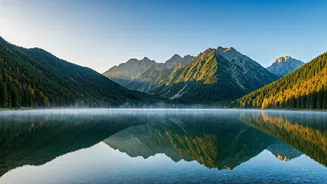
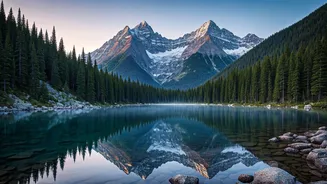
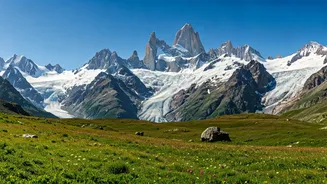
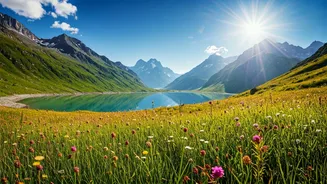
So where are these travelers going? Instead of booking flights to the American Southwest or the Greek Isles in July, they're turning their attention to places once considered off-season or niche. The lush, green landscapes of Ireland and Scotland are experiencing a tourism boom. The fjords of Norway, the charming cities of Denmark, and the vast, temperate forests of Canada are increasingly popular. Within the U.S., destinations like the Pacific Northwest, the coast of Maine, and Michigan’s Upper Peninsula are gaining traction as summer havens. These places offer what parched southern destinations cannot: vibrant, living scenery, air that feels fresh, and the ability to spend the entire day outside. The visual and psychological appeal of green, thriving ecosystems over brown, drought-stricken landscapes is a powerful driver in this shift.
A New Reality for Hotspots
This trend has profound implications for the global travel industry. Traditional hotspots are being forced to adapt. Some destinations in Southern Europe are now marketing themselves as ideal for spring or fall travel, effectively conceding the peak summer months to unbearable heat. Hotels and resorts are investing heavily in more powerful air conditioning, elaborate pool complexes, and indoor activities to keep guests comfortable—and on their properties. This shift also represents an opportunity for those cooler regions, which can now develop their tourism infrastructure to cater to a new wave of summer visitors. It's a recalibration of the global tourism map, drawn not by marketing campaigns, but by thermometers. The desire for a cool escape is no longer a niche preference but a mainstream demand that is actively reshaping where, and when, we choose to get away.