
The End of Single-Use Spaces
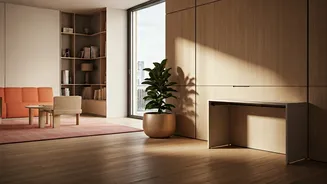
For decades, American homes were built around formality: the formal dining room you used twice a year, the living room where no one actually lived. That paradigm is crumbling. The shift, accelerated by the pandemic, is toward maximizing every square foot.
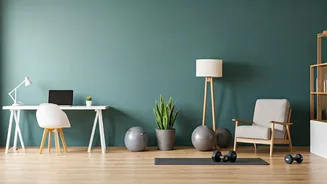
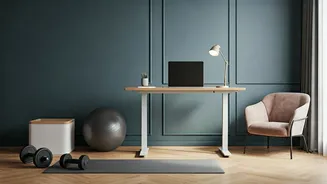
Why dedicate a whole room to a single, infrequent activity? A flexible approach reclaims this underused real estate. The dining room becomes a hybrid library and homework station. The guest room transforms into a home gym or project space when it’s not occupied. This isn't about getting rid of function; it’s about layering functions. The goal is a home that works hard for its occupants every single day, not just on special occasions. This mindset recognizes that space is a premium, and its value is measured in utility, not tradition.
The Home Office Reimagined
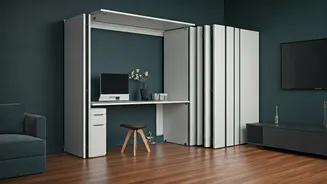
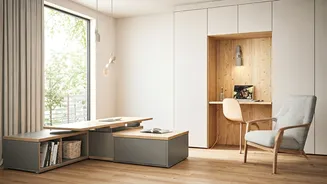
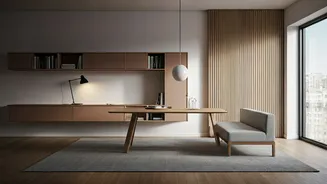
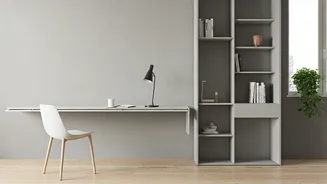
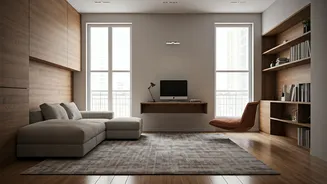
The most powerful driver of flexible design is the remote work revolution. The makeshift desk in the corner of the bedroom was a temporary fix, not a sustainable solution. Now, homeowners and builders are integrating workspaces in smarter, more permanent ways. The dedicated home office is still a coveted feature, but flexibility shines in homes that can’t spare an entire room. Enter the “cloffice”—a closet thoughtfully converted into a compact, concealable workstation. We're also seeing a rise in built-in desks in hallways, under staircases, or within larger living areas, defined by clever millwork. The key is separation. When the workday is done, you should be able to close a door, slide a panel, or fold away the desk, allowing the space to revert to its primary, domestic function. This preserves both sanity and square footage.
Walls That Move and Disappear
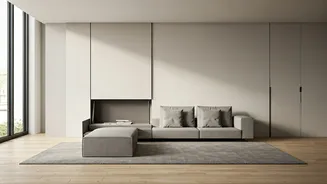
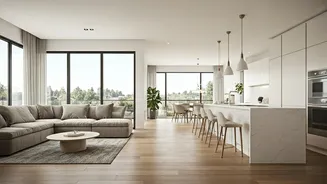
True flexibility is often built directly into a home’s architecture. Instead of static drywall, designers are increasingly using movable partitions to create adaptable layouts. Large-scale pocket doors, which slide completely into the wall, can open up a small den to a larger living room for entertaining, or close it off for privacy. Accordion-style glass walls can seamlessly merge indoor and outdoor living spaces. On a more granular level, sliding panels or high-quality curtain tracks can be used to subdivide a large room, creating a temporary guest nook or a quiet reading corner. These elements allow a floor plan to breathe and change with a family’s needs, transforming an open-concept space into a series of private zones with a simple push or pull.
Furniture That Pulls Double Duty
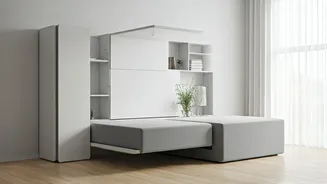
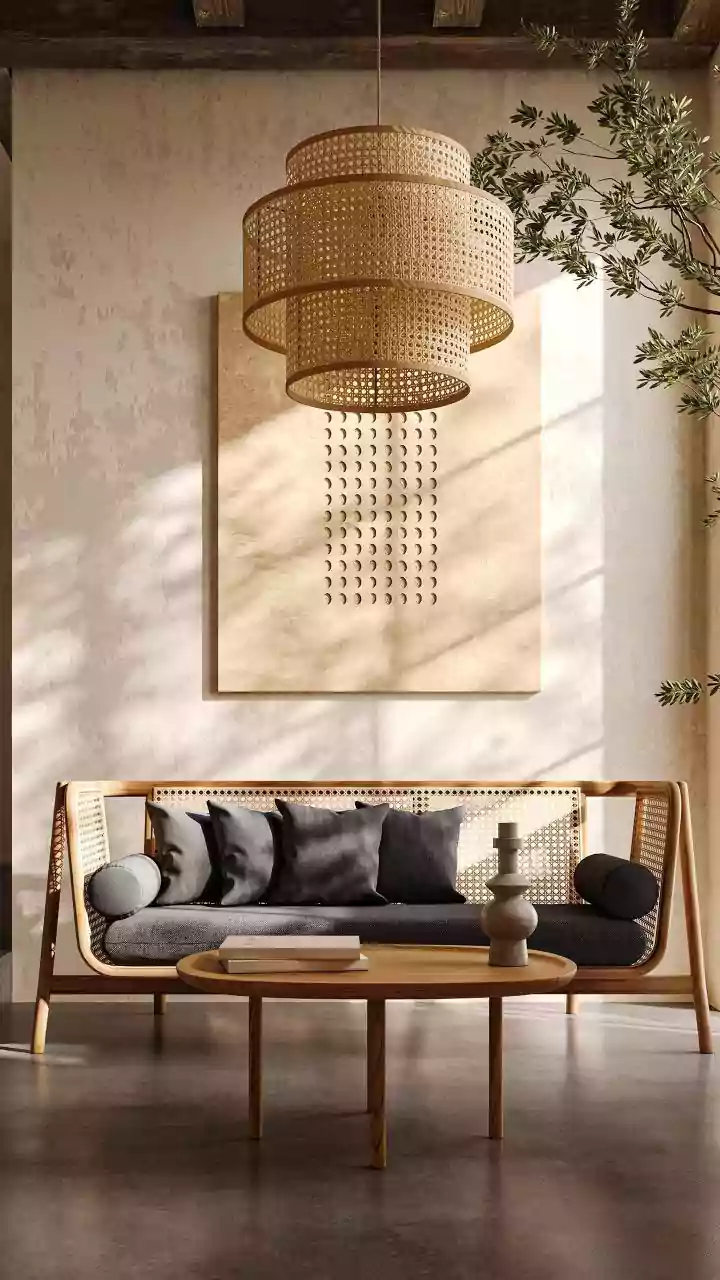
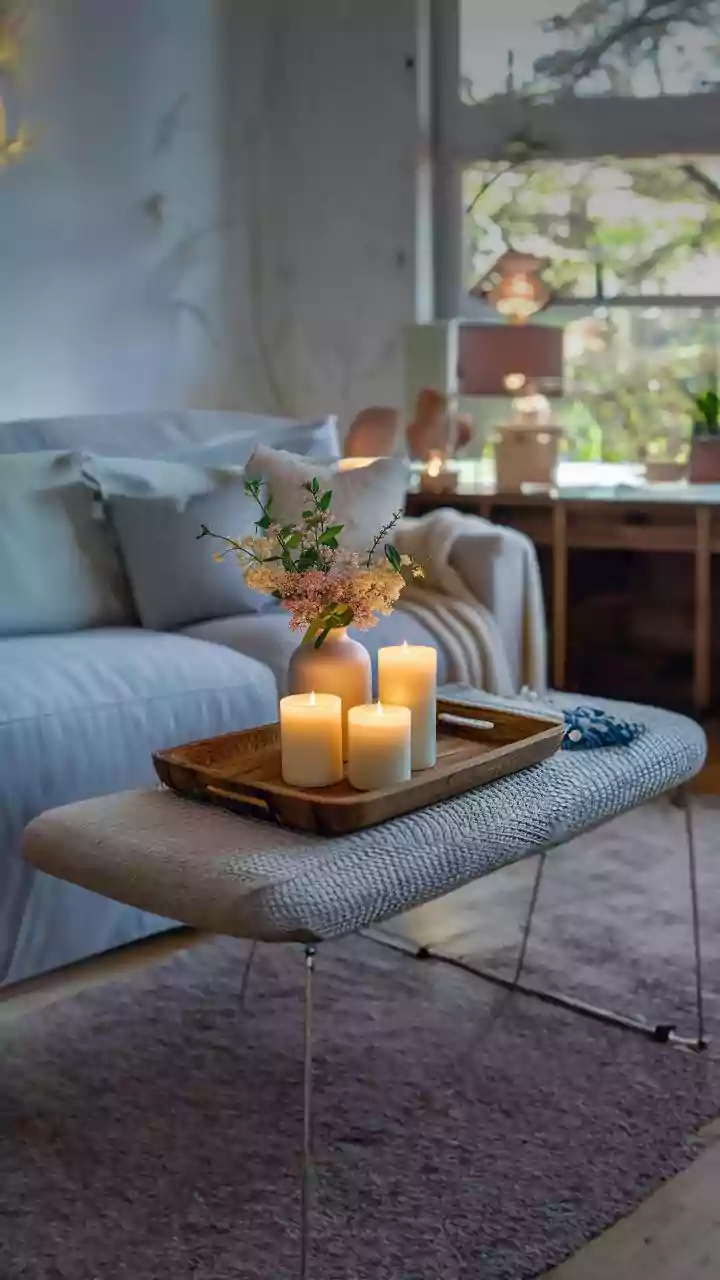
You don't need a full renovation to embrace flexibility. The furniture market is overflowing with brilliant, multi-functional pieces. The modern Murphy bed is the undisputed champion, allowing a room to function as a comfortable office, studio, or playroom by day and a legitimate bedroom by night. But the innovation doesn't stop there. Think of coffee tables that lift and expand into dining tables, ottomans with hidden storage and a reversible tray top, and modular sofas that can be reconfigured from a sectional into separate seating. Even smaller items, like nesting tables and rolling bar carts, provide adaptability. Investing in furniture that can serve two or three purposes is the most accessible entry point to a more flexible home, allowing renters and homeowners alike to make their spaces more efficient without knocking down walls.
Planning for Every Generation
Flexible design is also about future-proofing a home for life’s biggest transitions. More Americans are living in multi-generational households, whether it’s adult children returning home or elderly parents moving in. A flexible home is prepared for this. This can manifest as a ground-floor bedroom suite with its own bathroom and a wider doorway, perfect for an older parent or as a primary suite for aging in place. On a grander scale, it’s driving the boom in Accessory Dwelling Units (ADUs), or “granny flats.” These self-contained living spaces on a primary property offer the ultimate flexibility: they can house family members, generate rental income, or serve as a private workspace, all while adapting to the owner’s needs over time.