

From Backyard to Balance Sheet
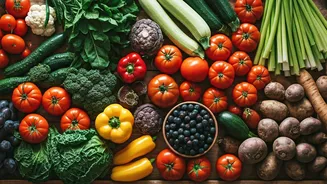
For decades, “hyperlocal” was a simple concept. It was the basil plant on your windowsill, the zucchini from your neighbor’s overflowing garden, or the wild blackberries foraged on a summer walk. The food’s journey was measured in feet, not miles. This
was food production at its most intimate, driven by personal passion, a desire for flavor, and a connection to the seasons. It was fundamentally a non-commercial, community-oriented endeavor.But the definition is expanding. The same principles that made that backyard tomato so special—freshness, minimal transport, and peak flavor—are now being applied at a commercial scale. Today, “hyperlocal” also describes crisp lettuce grown in a climate-controlled shipping container behind a restaurant, or microgreens harvested from a vertical farm stacked ten stories high in the middle of a city. The ethos is similar, but the execution has moved from the realm of hobbyists to that of entrepreneurs and engineers.
The Rise of the Pro-Local Farmer
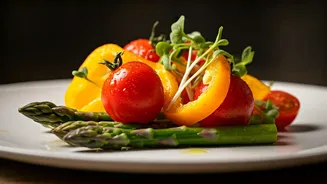
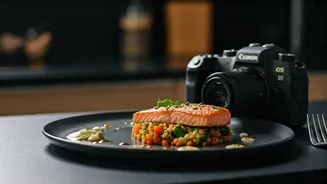
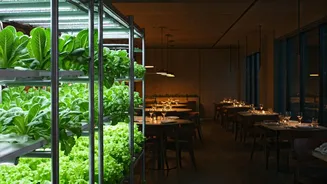
This new wave of hyperlocal production is powered by technology and business savvy. Companies like Gotham Greens and Plenty are building massive indoor vertical farms near major urban centers, promising year-round produce that is technically more “local” to a city dweller than a crop from a rural farm 100 miles away. They use hydroponics, LED lighting, and sophisticated data analytics to optimize growth, using a fraction of the water and land required by traditional agriculture.It’s not just tech giants, either. High-end restaurants have become mini-farms themselves. Instead of just sourcing from a local farmer, chefs are now commissioning custom-built rooftop gardens or installing hydroponic walls right in the dining room. This gives them ultimate control over their ingredients, allowing them to harvest delicate herbs and edible flowers moments before they land on a plate. This professionalization of hyperlocal food provides a level of consistency, quantity, and year-round availability that a backyard garden simply can't match.
More Access, Less Authenticity?
This commercial shift is a double-edged sword. On one hand, it democratizes access to incredibly fresh food. Not everyone has the space, time, or ability to maintain a garden. Commercial hyperlocal farms make it possible for a much broader population to enjoy produce that was picked just hours, not days, ago. This can reduce food waste, lower carbon emissions from transportation, and create a more resilient urban food supply chain, especially in harsh climates.On the other hand, something is arguably lost in the transition. The grassroots, DIY spirit of home gardening is replaced by a transactional, consumer experience. The connection to the soil is replaced by a connection to an app or a grocery store shelf. And while the produce may be pristine, it often comes with a premium price tag, placing it out of reach for many. There's a legitimate concern that a movement born from a desire for authenticity is being co-opted and commodified, turning a relationship with food into just another luxury product.
What This Means for Your Dinner Plate
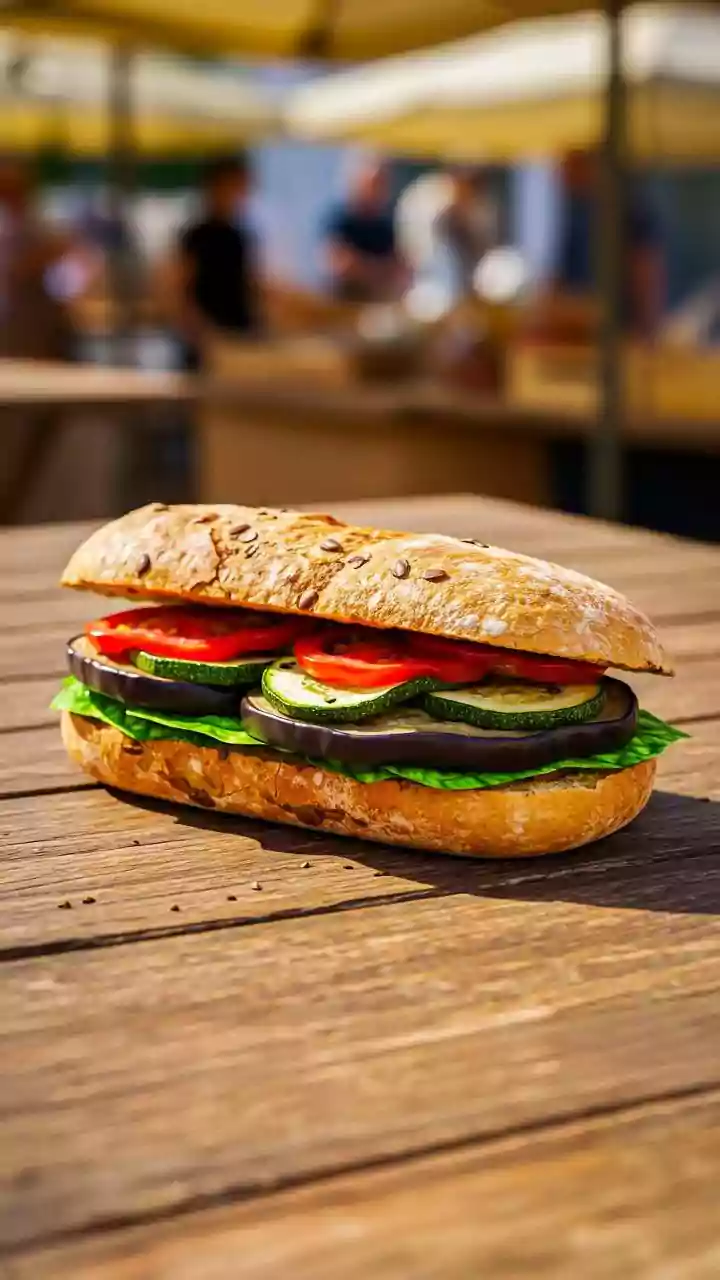
So, is the home kitchen being left behind? Not entirely. The commercialization of hyperlocal doesn't erase the joy and value of growing your own food. Instead, it creates a parallel track. The future of fresh food is becoming more diverse, not less. For consumers, this means more choices and a more complex definition of “local.” You might buy a clamshell of perfect Boston lettuce from a vertical farm downtown, grab herbs from your own fire-escape garden for a cocktail, and still trade tomatoes with your neighbor over the fence.This trend forces us to be more conscious consumers. It invites us to ask questions: Who grew this food? Where did it come from? What resources did it take to produce? A “local” label no longer tells the whole story. Understanding the difference between a community garden plot and a venture-backed agritech facility is key to navigating the modern food landscape.