








The Most Sacred Fast
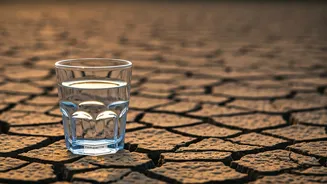
Nirjala Ekadashi is often called the most challenging and sacred of the 24 Ekadashi fasts observed in the Hindu calendar. The name itself is a guide: 'Nirjala' translates to 'without water,' and 'Ekadashi' means 'the eleventh day.' Occurring on the 11th
day of the waxing moon in the Hindu month of Jyeshtha (typically May or June), this observance requires complete abstinence from all food and liquids for over 24 hours. While other Ekadashi fasts permit water and certain fruits, Nirjala is absolute. The fast begins at sunrise on Ekadashi and concludes at sunrise the following day. For practitioners, it’s not about deprivation but purification—a powerful way to cleanse the body, mind, and spirit while demonstrating unwavering devotion to the deity Vishnu.
The Legend of the Insatiable Brother
The origin of this specific fast is famously tied to a story from the epic Mahabharata. Bhima, the second of the five Pandava brothers, was a man of immense strength and an equally immense appetite. He found it impossible to observe the twice-monthly Ekadashi fasts that his devout family followed. Frustrated by his inability to control his hunger for even a day, Bhima sought the counsel of the sage Vyasa. Understanding Bhima’s predicament, Vyasa offered a compromise: if Bhima could observe just one Ekadashi per year with absolute, waterless austerity, he would gain the spiritual merit of all 24 fasts combined. That day became Nirjala Ekadashi, also known as 'Pandava Ekadashi' or 'Bhima Ekadashi' in his honor. This story makes the practice relatable—a path for even the most undisciplined to achieve profound spiritual goals through a single, concentrated act of will.
More Than a Physical Challenge
In a culture saturated with intermittent fasting and detox diets for physical health, it's easy to misinterpret Nirjala Ekadashi as a spiritualized health trend. But its core purpose is entirely different. The physical hardship is seen as a tool to withdraw the senses from worldly distractions and focus the mind entirely on the divine. Devotees often spend the day in prayer, chanting mantras, reading sacred texts, and visiting temples dedicated to Vishnu. The act of forgoing water—life's most basic necessity—is a powerful symbol of surrendering one's ego and dependence on the material world. It’s a spiritual reset button, intended to burn away negative karma and pave a path toward moksha, or liberation from the cycle of rebirth.
An Ancient Practice in Modern America
While the headline's claim of 'gripping the nation' might be an overstatement, the observance of Nirjala Ekadashi is a powerful and growing touchstone for Hindu communities across the United States. For first- and second-generation immigrants, it’s a tangible link to the traditions of their homeland and a way to pass cultural and spiritual values to their children. Managing a 24-hour waterless fast while navigating a demanding American work schedule is no small feat. Many plan ahead, taking the day off or working from home. Temples become hubs of activity, offering a communal space for prayer and support. In an individualistic society, the shared experience of the fast fosters a deep sense of community, reminding participants that they are part of a tradition that stretches back millennia.