



The Towering Icon: Yosemite Falls, California
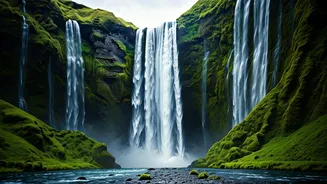
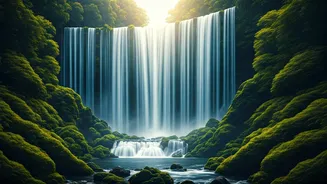
Nowhere is the spring thaw more dramatic than in Yosemite National Park. Yosemite Falls, one of the tallest in the world, is actually three separate falls that combine for a staggering 2,425-foot drop. While it flows for part of the year, its peak power
is typically on display in May, when the winter snowpack from the High Sierra melts into a torrent. The sound is deafening, the mist is drenching, and the view is unforgettable. The one-mile loop trail to the base of Lower Yosemite Fall is an easy, accessible walk for families, offering a full-sensory experience of the waterfall's immense power. For the more ambitious, a strenuous all-day hike to the top provides a perspective few ever see.
The Emerald Giant: Multnomah Falls, Oregon
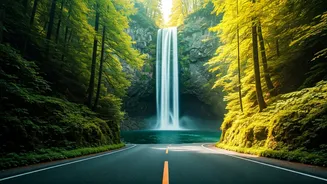
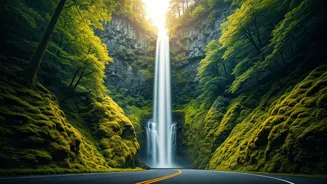
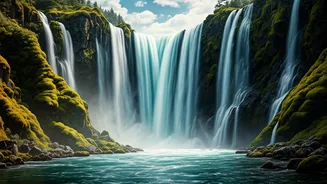
Nestled in the lush Columbia River Gorge, Multnomah Falls is the supermodel of American waterfalls—instantly recognizable and beautiful from every angle. This 620-foot, two-tiered cascade is Oregon's tallest, and while it flows year-round, spring is when it's at its most vibrant. The surrounding moss and ferns are a brilliant green, fed by the constant spray and seasonal rains, creating a prehistoric, fairy-tale setting. Visitors can feel the mist from the lower viewing platform or walk up to the iconic Benson Bridge, which spans the gap between the two drops. The sheer volume of water in spring makes the experience thunderously loud and powerfully moving.
The Southern Niagara: Cumberland Falls, Kentucky
Known as the "Niagara of the South," Cumberland Falls is a massive, 125-foot-wide curtain of water that plunges 68 feet into the Cumberland River. It’s the centerpiece of Cumberland Falls State Resort Park and a true spectacle, especially after heavy spring rains swell the river. But what makes this destination a true bucket-list spot for waterfall hunters is the rare phenomenon it produces: the moonbow. On clear nights during a full moon, the waterfall's mist creates a lunar rainbow, an ethereal white arc of light. It's one of the only places in the Western Hemisphere to reliably see this, making a spring visit planned around the lunar cycle a truly unique adventure.
The Desert Oasis: Havasu Falls, Arizona
Chasing this waterfall requires more than just packing a bag—it requires serious planning. Havasu Falls is located deep within the Havasupai Indian Reservation in a side canyon of the Grand Canyon. Its vivid, turquoise-blue water plunging into a travertine pool against a backdrop of red rock is one of the most coveted sights in the American Southwest. The water's unique color comes from high concentrations of calcium carbonate. Reaching it involves a challenging 10-mile hike and, crucially, a hard-to-get permit from the Havasupai Tribe. While the flow is consistent year-round, the pleasant temperatures of spring make the arduous trek more manageable than in the scorching summer months.
The Underground Wonder: Ruby Falls, Tennessee
Not all waterfall hunting happens in the great outdoors. For a completely different kind of quest, head to Chattanooga and go down—1,120 feet down, to be exact. Ruby Falls is the nation's tallest and deepest underground waterfall open to the public. Discovered by accident in 1928, this 145-foot cascade is located inside Lookout Mountain. Visitors take an elevator deep into the earth and follow a cavern path past fascinating geological formations before arriving at the main event. The falls are dramatically lit to showcase their power and beauty in the pitch-black cavern. Since it’s entirely underground, it’s a perfect all-weather, all-season destination, offering a cool respite and a guaranteed show regardless of recent rainfall.