

More Than Just a Houseplant
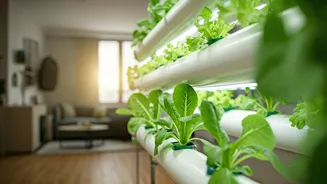
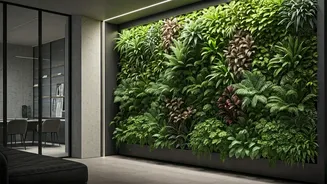
At first glance, it might look like an impossibly lush vertical garden. But this is no simple collection of potted plants stacked on a shelf. A hydroponic accent wall is a fully integrated architectural feature, a 'living wall' where plants grow without
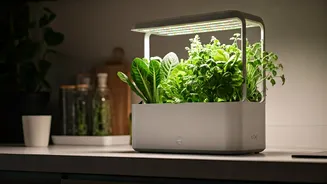
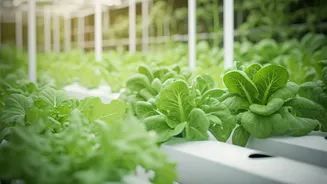
soil in a mineral-rich water solution. A sophisticated, often automated system circulates water and nutrients directly to the roots, which are nestled in a lightweight, structural medium. The result is a seamless, floor-to-ceiling tapestry of foliage that feels less like a decoration and more like a fundamental part of the home's structure. Unlike traditional gardening, there's no dirt, fewer pests, and a much more controlled environment, allowing a dense, vibrant ecosystem to thrive indoors.
The Delhi Connection
While living walls are a global phenomenon, their enthusiastic adoption in the high-end contemporary homes of New Delhi is particularly telling. In a sprawling, densely populated megacity, private green space is the ultimate luxury. For residents of modern apartments and multi-story homes, a connection to nature can feel distant. The hydroponic wall offers a powerful solution, reintroducing the natural world into the heart of the home. Furthermore, in a city that frequently grapples with some of the world's most challenging air quality, the concept of an indoor, air-purifying feature is not just an aesthetic choice but a direct response to an environmental reality. It’s a design statement that marries luxury with a deep-seated desire for wellness and sanctuary.
An Oasis of Clean Air and Calm
The benefits of these walls extend far beyond their visual 'wow' factor. They are, in essence, biological air filters. The plants and the microorganisms living on their roots work together to absorb and break down common indoor pollutants known as Volatile Organic Compounds (VOCs), such as formaldehyde and benzene, which are often off-gassed from furniture, paints, and cleaning products. A large living wall can significantly improve indoor air quality, reducing dust and creating a more breathable environment. Beyond the physical, the psychological impact is profound. The principle of 'biophilia'—our innate human tendency to seek connections with nature—suggests that being around plants can reduce stress, improve mood, and even boost creativity. In a bustling city, a living wall becomes a silent, ever-growing source of tranquility.
The Art and Science of Living Walls
Creating one of these breathtaking installations is a specialized craft, blending horticulture, engineering, and interior design. Architects and specialized firms in Delhi work with clients to design walls that complement the home's aesthetic, considering light, scale, and desired effect. The plant selection is crucial. Hardy, low-light-tolerant species like pothos, philodendrons, snake plants, and spider plants are popular choices for their resilience and air-purifying properties. The hidden magic lies in the technology: a low-wattage pump that quietly circulates the nutrient solution, often controlled by a timer or smart-home system. While the initial installation can be a significant investment, proponents argue that the long-term wellness benefits and the sheer beauty of a dynamic, living piece of art make it worthwhile.